Could the biggest merger in U.S. advertising history spell doom for independent media outlets?
At a Glance
- Newsmax opposes the $13.25 billion Omnicom-IPG merger, fearing censorship.
- The merger would create the largest advertising agency in U.S. history.
- The FTC’s consent order aims to prevent viewpoint discrimination.
- Critics argue the consent order is too narrow and fails to address broader issues.
Newsmax’s Stand Against the Merger
In a bold move, Newsmax Media, Inc. has filed a formal objection with the Federal Trade Commission (FTC) against the proposed $13.25 billion merger between two advertising giants—Omnicom Group and Interpublic Group (IPG). The merger, announced in December 2024, seeks to combine two of the world’s largest advertising agencies into a behemoth that would dominate the U.S. advertising landscape. Newsmax argues that this consolidation poses a severe threat to competition and media diversity, particularly impacting independent and conservative outlets that might be sidelined from the advertising ecosystem.
Newsmax Urges FTC to Block Omnicom-IPG Merger Over Censorship, DEI https://t.co/xPVLucjk7q
— Mike Netter (@nettermike) July 29, 2025
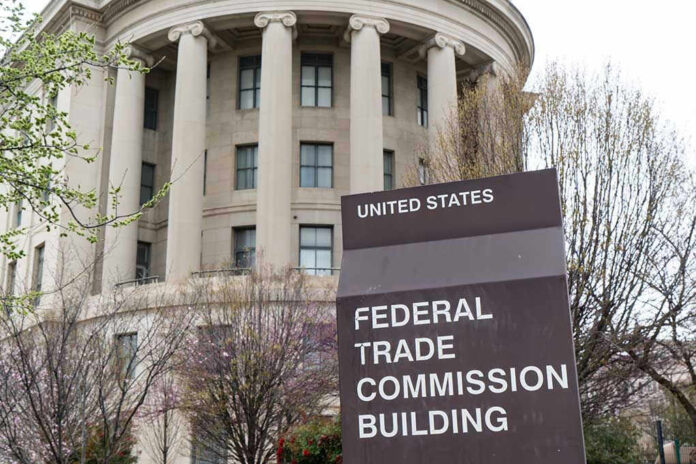
The FTC issued a proposed consent order in June 2025, tentatively approving the merger with conditions intended to prevent anticompetitive practices. However, Newsmax has criticized the order as too narrow, arguing that it fails to address the broader competitive and transparency issues that could arise from such a significant market consolidation. The fear is that the merger could allow Omnicom-IPG to engage in ideological censorship by controlling ad spending to favor or exclude certain viewpoints, particularly conservative ones.
The Broader Implications of the Merger
Omnicom and IPG are part of the “Big Six” global advertising companies, wielding immense influence over media buying and ad placements. This merger would not only create the largest advertising agency in U.S. history, but it would also grant the new entity unprecedented power to shape media access and public discourse. The FTC’s intervention in this case underscores the ongoing debate about the role of large intermediaries in controlling media narratives and the need to safeguard competition and viewpoint diversity.
Past mergers in the advertising sector have attracted antitrust scrutiny, but few have been blocked outright. The FTC has recently been more aggressive in its stance against tech and media sector consolidations, as evidenced by its actions against giants like Google. However, the effectiveness of these regulatory measures remains in question, particularly when it comes to addressing complex issues like ideological exclusion and media pluralism.
Concerns from Newsmax and Beyond
Newsmax CEO Christopher Ruddy has been vocal about the potential dangers posed by the merger, stating that it threatens both competition and viewpoint diversity. The concern is that the combined power of Omnicom and IPG would be an existential threat to independent media outlets, especially those espousing conservative views. The FTC’s consent order, while prohibiting the merged entity from directing ad spending away from publishers based on political or ideological views, is seen by critics as more symbolic than substantive.
Critics, including advocacy groups like Public Knowledge, argue that the FTC’s order does not sufficiently address the broader competitive risks and transparency issues inherent in such a merger. There is a fear that the merger could exacerbate existing problems of opacity and complexity in digital advertising, making it harder for smaller publishers to compete and thrive in an increasingly consolidated market.
The Path Forward: Regulation and Public Comment
The FTC’s consent order is currently pending finalization, with the public comment period playing a critical role in shaping the outcome. Newsmax’s formal opposition is a part of this process, highlighting the need for a robust regulatory framework that genuinely protects media diversity and competition. The outcome of this public comment period and any potential further regulatory or legal action will be pivotal in determining the merger’s final impact on the advertising industry and the media landscape.
As the debate continues, the stakes for independent and conservative media outlets remain high. The potential for further consolidation in the advertising sector could lead to a scenario where a narrower range of media voices dominates the market, marginalizing those that do not align with the prevailing ideological currents. As such, this merger is not just a corporate maneuver but a critical juncture for the future of media diversity and freedom of expression in America.