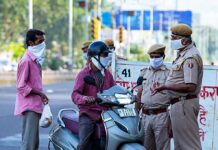


Russia quarantined scores of people after a Siberian plague-lab worker died of severe pneumonia, while officials insist no plague is confirmed and the situation is “stable.”
Story Snapshot
- Lab worker at Irkutsk Anti-Plague Institute died; dozens were quarantined.
- Russia’s health watchdog reported “pneumonia of unknown origin,” not confirmed plague.
- A regional leader first suggested plague, then softened wording to “possible” in later posts.
- World Health Organization said no confirmed cause yet; risk to public appears low.
What Russian Officials Confirmed And What They Denied
Authorities in the Irkutsk region said a laboratory employee at the local Anti-Plague Institute died after a rapid illness. Officials placed many contacts under medical supervision and launched anti-epidemic steps, including quarantine and screening. Russia’s public health agency said tests found no microorganisms tied to her work and no accidents at the institute. The agency described the case as “pneumonia of unknown origin,” and said the region’s health situation remained stable.
Local statements and national messaging pointed in the same direction. The watchdog stressed there was no evidence linking her illness to handled pathogens. State-linked outlets reported that close contacts tested negative for pneumonic plague. The World Health Organization noted it was aware of the reports and said no cause of death had been confirmed. Based on available information, the risk to the wider public looked low, pending more data.
Why Confusion Grew Despite “Stable” Assurances
Public doubt rose because some early signals seemed to clash. A regional political leader first said the woman died of plague, then updated the claim to say “possibly,” which fueled suspicion that edits were managing the story rather than clarifying facts. Reports also described a local warning post that urged people not to travel to a nearby city and was later deleted. Those shifts fed a sense of mixed messages during a tense moment.
Cross-border attention added pressure. International outlets highlighted the institute’s role in handling dangerous pathogens, which raised the stakes. The United States said it was monitoring the situation. President Trump offered help to Russia if needed, which signaled concern without claiming a confirmed outbreak. That careful posture matched the limited official facts on the ground and the lack of public lab findings.
What We Know, What We Do Not, And Why It Matters
Right now, confirmed facts are narrow. One lab worker died. Many contacts were traced and watched. Officials described pneumonia of unknown cause. They said no lab accident was found and no plague was confirmed. These points fit a familiar pattern seen in rare bio incidents: fast action, tight language, and little early data. That mix can fuel both fear and denial until test results and records are released.
Russia’s plague scare: What the Siberian lab death means for global health
A Siberian laboratory worker’s death has triggered a plague investigation, but the evidence so far points to a low international health risk.
Read the latest update and explainer here:…
— Research, News & Analysis (@RNA_NewsMedia) October 6, 2026
The stakes are larger than one case. People across the political spectrum worry that powerful institutions hide mistakes and protect themselves first. When posts get edited or removed, trust falls further. Clear, public evidence would help. That means releasing autopsy results, lab test panels, and incident logs that show what was checked and when. Until that happens, it is fair to say the risk appears low, but the record remains incomplete.
Sources:
insiderpaper.com, euronews.com, reuters.com, aljazeera.com, europeanpulse.com
© theredwire.com 2026. All rights reserved.