
Japanese prosecutors have indicted a U.S. Marine for murder and robbery in Okinawa after a woman was found dead in a hotel room.
Story Snapshot
- Prosecutors charged the Marine with murder and robbery tied to a woman’s death in a Naha hotel.
- Reports say the indictment alleges strangulation with a telephone cord and theft of a backpack.
- Security footage reportedly shows the pair entering together and the Marine leaving alone with belongings.
- The case revives long-running anger over the U.S. military presence on Okinawa.
What Prosecutors Allege Happened Inside the Hotel
Japanese prosecutors in Naha indicted the Marine on charges of murder and robbery tied to the death of a local woman in early October. Reports say the indictment alleges he strangled her with a telephone cord inside a hotel room and took her backpack, which held her wallet and other items. Police earlier said the woman died from suffocation, which aligns with the alleged method in the charge. An indictment is a formal charge, not a conviction.
Media accounts citing investigators say security cameras captured the Marine and the woman entering the hotel together before dawn, and later showed him leaving alone while carrying her belongings. Coverage places the alleged crime in a defined time window in Naha, which could be checked against hotel logs or other records as the case proceeds. Reports also say prosecutors moved beyond the arrest stage, signaling they believe evidence supports trial on both counts.
How the Case Moves Through Japan’s Legal System
Japan’s process puts the case in the hands of local prosecutors and courts in Okinawa, not the United States military. The indictment means prosecutors believe there is enough evidence to charge and seek a conviction. Next steps usually include pretrial detention reviews, evidence disclosure, and scheduling. Defense arguments have not been fully detailed in public reports. The court will weigh witness accounts, hotel records, medical findings, and any forensic links to the alleged cord and property.
Coordination between Japanese authorities and the United States side happens under the Status of Forces Agreement, which outlines custody and trial rules. In past cases, Japanese courts have tried United States service members for serious crimes committed off base. That structure aims to respect Japanese law while maintaining alliance ties. Public statements from officials often stress cooperation and accountability when cases involve local victims and foreign troops.
Why Okinawa’s History Makes This Case Bigger Than One Crime
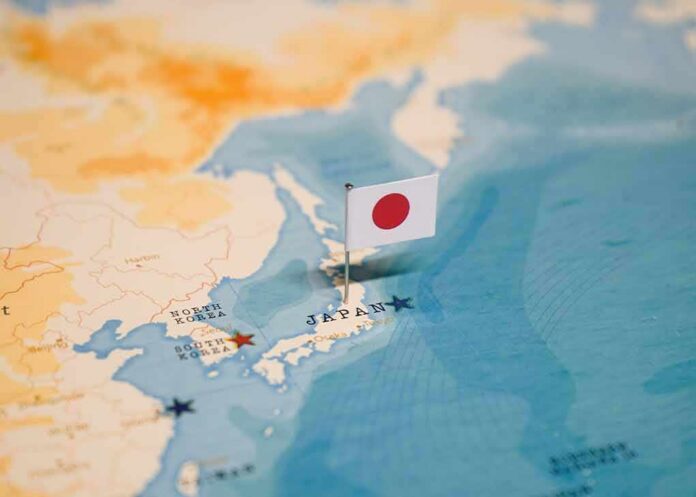
Okinawa hosts a large share of United States military facilities in Japan, which concentrates the daily impact of bases on a small island chain. That load has shaped public opinion for decades. Residents have voiced safety, noise, and land-use concerns, and crimes by United States personnel have fueled protests and political pressure. Researchers find many Okinawans hold unfavorable views of the base presence, even as overall crime rates by troops are comparatively low.
US Marine indicted in alleged Okinawa robbery homicide – ABC News – https://t.co/xwwkbqz7nE
— Private Officer (@privateofficer) October 26, 2026
Each alleged offense by a service member lands in this charged context. Local leaders demand justice and prevention. United States commanders pledge discipline and outreach. National leaders in Tokyo and Washington weigh alliance needs against local anger. This case will likely shape how both governments explain base policy, law enforcement, and victim support. It also tests whether institutions deliver fair trials and clear answers, which many citizens say they rarely see from powerful systems.
What to Watch Next
Watch for court disclosures on the medical cause of death, any forensic ties to the telephone cord, and hotel evidence such as entry logs or elevator footage. Track whether authorities recover the backpack or wallet and link them to the suspect. Look for clear timelines from prosecutors and any defense challenge to the surveillance narrative. Finally, expect renewed debate over base rules on alcohol, curfews, and off-base conduct as leaders try to calm public anger in Okinawa.
Sources:
abc.net.au, bbc.com, nbcnews.com, upi.com, cbsnews.com, militarytimes.com, independent.co.uk
© theredwire.com 2026. All rights reserved.