

A senior Pentagon budget official told senators the Iran war has cost $48.3 billion so far, and that total leaves out damage to U.S. bases.
Story Snapshot
- Arthur Miller reported $48.3 billion in war costs to a Senate panel.
- The figure covers munitions, equipment replacement, and operations.
- The estimate excludes repairs to damaged U.S. military facilities.
- Earlier official tallies climbed quickly from $37.5 billion to above $47 billion.
What The Pentagon Official Told Congress
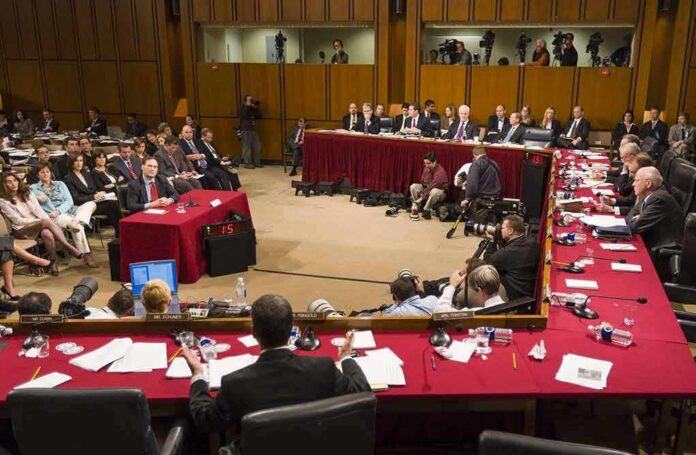
On November 19, Pentagon deputy comptroller Arthur Miller testified before the Senate Armed Services Committee. Miller, who is President Trump’s nominee for Assistant Secretary of the Navy for Financial Management and Comptroller, said the Iran war cost “was $48.3 billion” as of November 13. He said the estimate includes munitions, equipment replacement, and operational costs. Senators pressed him on missing details. They asked for more data on base damage and a breakdown by spending type.
Miller confirmed the number during a nomination hearing that creates a public record. Committee members, including Senator Richard Blumenthal and Chair Senator Roger Wicker, pushed for follow-up materials. Reports describe the disclosure as part of ongoing oversight into war costs and transparency. The hearing setting means documents can be requested and answers compared over time. That process matters because voters want to know where their tax dollars go and how the Pentagon counts war spending.
What The $48.3 Billion Includes — And What It Does Not
Miller said the total covers three buckets: munitions that have been used, equipment that needs replacing, and day-to-day operations. That matches how the Defense Department often tracks “incremental” war costs. But he also said the number does not include the price to fix damaged U.S. military facilities. Reports note that the Pentagon has not yet offered a full figure for those repairs, which could add a meaningful amount to the final bill.
The number also does not reflect wider economic fallout. It does not count higher shipping insurance, energy price swings, or lost trade. Those effects can raise household costs far from the battlefield. Several outlets reported that the $48.3 billion is a partial military estimate, not a full economic total. That gap is common in war accounting, where direct costs are clearer than ripple effects across the economy and family budgets.
Why The Estimate Rose So Fast
Public figures moved up quickly in recent months. Reports cited $37.5 billion in July, about $38 billion through August 1 from the Congressional Budget Office, more than $47 billion in October, and $48.3 billion as of November 13. The coverage does not detail every change in scope or timing. Still, the climb tracks with ongoing operations and resupply needs as munitions get used and gear wears out or is destroyed in the field.
History shows why numbers shift. The Government Accountability Office found large gaps between how the Pentagon and others counted past war costs. During the Iraq and Afghanistan wars, methods varied across obligations, outlays, and long-term items. In one review, the Government Accountability Office documented about a $198 billion difference tied to reporting choices and exclusions. That record helps explain why today’s war totals can change and why lawmakers want clear, consistent rules.
What Comes Next For Taxpayers And Oversight
Senators can request the Pentagon’s detailed worksheets and definitions. They can ask for a service-by-service breakdown of munitions, operations, and replacement costs. They can also demand a full estimate for base repairs and timelines to complete them. An audit by the Government Accountability Office or the Defense Department Inspector General could check if categories match past guidance and if costs were counted the same way across the services.
For families on both the right and the left, the stakes feel close to home. People see high prices, rising federal debt, and leaders who do not speak plainly about big bills. Clear numbers, steady definitions, and public documents can help. Congress and the Pentagon can lower the temperature by posting a single, plain-language dashboard. It should explain what is included, what is not, and why, so citizens can judge the value and hold officials to account.
Sources:
insidedefense.com, washingtonexaminer.com, news18.com, wenewsenglish.com, middleeasteye.net, newarab.com
© theredwire.com 2026. All rights reserved.