

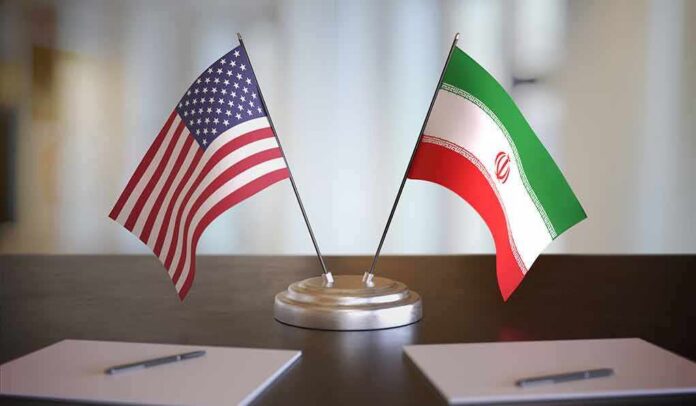
Iran’s president is betting that a short, imperfect memorandum with the United States beats a long, unwinnable war.
Story Snapshot
- Pezeshkian calls the U.S.–Iran memorandum an “important step,” not a surrender.
- The 14-point text paused fighting and aimed to reopen Hormuz while talks continued.
- Critics say a vague clause on the strait fueled disputes and mixed signals.
- Both sides later accused each other of violations as the clock ran out.
What Pezeshkian Actually Said And Why It Matters
Iranian President Masoud Pezeshkian framed the memorandum as the best way out of a “neither war nor peace” grind. He called it an important step toward stopping the fighting and said a final truce still needed work. That public stance set a tone: use the pause to de-escalate while seeking a broader deal. The message also aimed inward, signaling no loss of dignity while opening a door to relief and talks.
The strategy fits a familiar pattern. Early ceasefire frameworks buy time, lower risks, and move commerce, while hard issues wait for later rounds. Supporters call that realism. Skeptics call it a stall. In Iran’s case, publicizing the text in Persian helped frame the deal as sovereign and reciprocal rather than forced. That matters in Tehran’s domestic debate, where any hint of capitulation can be fatal for a policy line.
What The Memorandum Set Out To Do
The memorandum laid out fourteen points, including extending a ceasefire window, reopening shipping through the Strait of Hormuz, and launching a sixty-day sprint to a broader accord that would touch on sanctions and the nuclear file. United States and Iranian officials confirmed both leaders signed it digitally. The pause aimed to stabilize energy flows and reduce the chance of a wider war while diplomats worked the next phase.
A senior view from Washington described the memorandum as a structure for future dealings. Benefits to Iran, such as targeted sanctions relief and access to funds, would hinge on cooperation on the nuclear program and reducing support for regional militias. That conditional approach tracks with long United States practice: relief follows verifiable steps, not before.
The Clause That Lit The Fire: The Strait Of Hormuz
One line inside the memorandum became the flashpoint. Critics argued the language on the Strait of Hormuz was too loose. Iranian hard-liners read it as license for Tehran to manage or steer traffic. United States officials and Gulf partners rejected that view, saying the text meant safe passage and coordination, not control. This gap between “facilitate” and “administer” set off a tug-of-war over meaning.
This is where Pezeshkian’s defense matters. Calling the deal dignified gives him space to resist maximalist reads at home while keeping diplomatic doors open. From a conservative American lens, clarity on freedom of navigation must be non-negotiable. If a clause confuses that, it invites mischief. The better course is to anchor terms in plain, enforceable language, then back it with presence at sea and clear red lines.
Did The Pause Work, And What Comes Next
The pause lowered the temperature and moved oil. But the sixty-day path to a final settlement was always a high bar. Reports showed vague wording left nuclear questions for later, and friction returned as each side pushed its reading of the strait clause. By mid-August, both sides accused each other of violations, and the memorandum’s window closed without a lasting fix.
The lesson is blunt. A short deal can stop shooting and steady markets, but only clear terms and steady enforcement can hold a truce together. Pezeshkian is right that a memorandum beats stalemate if it buys time to lock a real peace. It is not surrender to take the off-ramp; it is common sense. Yet common sense also says peace that rests on fuzzy words will wobble. The fix is harder text, hard timelines, and hard-nosed follow-through.
Sources:
youtube.com, reuters.com, palestinechronicle.com, english.news.cn, nationalheraldindia.com
© theredwire.com 2026. All rights reserved.