

France’s nationwide protests swelled from student walkouts to more than half a million people demanding relief from rising costs and failing public services.
Story Snapshot
- Hundreds of thousands marched over living costs, fuel prices, and weak public services.
- Student protests over teacher shortages and crumbling schools sparked the wider movement.
- Turnout rose from over 250,000 on October 6 to about 550,000 on October 17, officials said.
- Police clashes, arrests, and curfews risk overshadowing the core social and school grievances.
How A School Protest Became A Nationwide Movement
Students in Paris-area suburbs began blocking schools in September, citing teacher gaps and decaying buildings. Parents and teachers soon joined, pointing to lost class time and unsafe facilities. By early October, marches had spread well beyond a few campuses. Reporters described a fast-growing mix of students, families, and unions. The shift matched a common French pattern where a concrete service failure opens the door to wider anger about the state’s basic duties.
As the crowds grew, the message broadened. Protesters linked school breakdowns to daily strain from bills, fuel, and food. Demonstrations on October 17 focused on the rising cost of living and the sense that public services no longer deliver. The French president called for calm, while critics said the state spends a lot but fails to fix what matters on the ground. That claim echoed past movements that started with one issue but turned into a fight over household pressure.
Documented Scale And Where The Numbers Come From
The Interior Ministry counted more than 250,000 people in the streets on October 6. Organizers said the number was higher. Eleven days later, the Interior Minister reported around 550,000 people across more than one hundred marches. Major cities saw the largest crowds, but many towns also turned out. Conflicting official and organizer tallies are common during French protests, yet both show a large, fast-building mobilization this month.
News outlets and wire services traced the surge step by step. Reuters detailed how the first wave came from deprived suburbs and later included teachers and parents with high school students. BBC reporting tied the October 17 peak to fuel and living costs and to frustration with public services, including schools. Live coverage from other outlets cited similar trends while noting disputed counts. The core agreement across reports is clear: the cause list grew as the crowds did.
Clashes, Curfews, And The Risk Of Losing The Plot
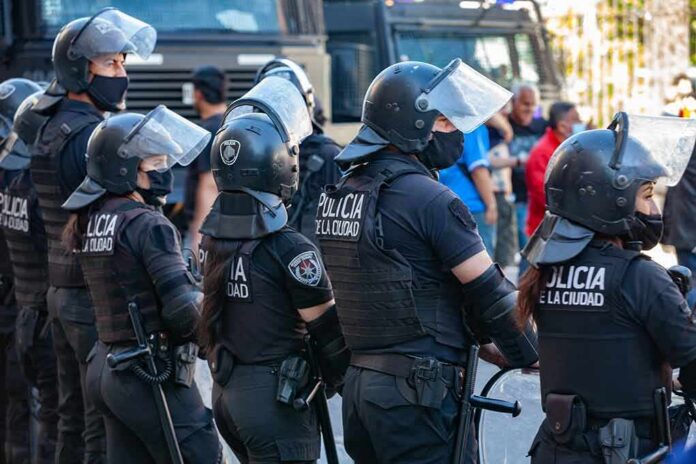
Police used tear gas in several cities as some groups fought officers and damaged stores. Authorities announced more than one thousand arrests on the worst nights and considered partial curfews where violence spiked. Government leaders stressed restoring order. That focus is normal after unrest, but it can drown out why peaceful marchers showed up: to fix schools, ease household costs, and get basic services working again for everyday people.
The October 17, 2026 unrest in France grew out of weeks of student protests (starting in Paris suburbs over teacher shortages, crumbling schools, and infrastructure) that merged with broader anger over the cost of living, fuel prices, public services, and government inaction.…
— Cathy Morgan (AFH) I exist 🌸 (@CathyMo41926708) October 21, 2026
French protests often move from a clear, narrow spark to a bigger test of trust in the state. The 2018 to 2019 Yellow Vest period began with a fuel tax but soon centered on purchasing power and fairness. Today’s arc looks similar. Students asked for teachers and safe classrooms. Families and workers then added the pain of bills and weak services. That mix speaks to a broader concern shared across politics: a government that spends heavily but struggles to deliver results people can feel.
Why This Matters Outside France
Americans watching France can see a familiar story. People on the right and left feel rising costs and worry that core services, like schools and safety, no longer meet basic standards. They see leaders talk about plans yet miss the daily fixes that help families now. France shows how quickly frustration can jump from one sector to a wider push for competence and accountability. When systems fail, pressure builds, and streets fill, no matter the party in power.
Sources:
thebostonreport.com, afp.com, bbc.co.uk, timesofisrael.com
© theredwire.com 2026. All rights reserved.