
Trump’s second-term Cuba strategy delivers prisoner releases while forcing the island nation into Russia’s arms—raising serious questions about whether America is gaining influence or fueling a dangerous dependency on our adversaries just 90 miles from Florida.
Story Snapshot
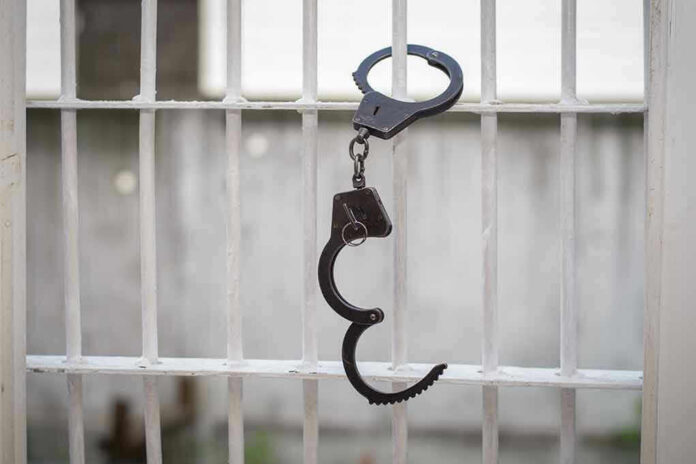
- Cuba pardoned 2,010 prisoners on April 2, 2026, days after Trump eased oil blockade restrictions
- Trump administration pressured Havana for releases while allowing Russian tanker deliveries to alleviate fuel crisis
- Pardons exclude political prisoners, murderers, and those convicted of crimes against authorities—core US demand unmet
- Russia announced second oil tanker shipment, strengthening Cuba-Russia energy alliance under US watch
Trump’s Cuba Gambit: Pressure and Concessions
Cuba’s government announced on April 2, 2026, the pardon of 2,010 prisoners as a “humanitarian” gesture tied to Easter and Holy Week. The Trump administration eased a de facto oil blockade just days earlier, permitting a Russian tanker to deliver crude to the communist island. Cuba framed the releases as a sovereign decision reflecting the “humanitarian legacy of the Revolution,” targeting young people, women, prisoners over 60, foreigners, and citizens abroad with good conduct and health considerations. Serious offenders—including those convicted of murder, sexual assault, drug crimes, theft, and crimes against state authority—remain excluded.
Political Prisoners Remain Behind Bars
The Trump administration has long demanded the release of political prisoners as a condition for normalizing relations with Havana. Yet Cuba’s announcement omits any mention of US pressure and explicitly excludes those convicted of crimes against authorities—the very dissidents Washington seeks freed. This marks the fifth such pardon since 2011, collectively releasing over 13,000 individuals, but the core demand remains unmet. Cuba’s careful categorization reveals a regime willing to ease prison overcrowding while maintaining iron control over political opposition. For conservatives who value freedom and oppose authoritarian regimes, this distinction matters: humanitarian gestures mean little when dissenters stay locked up.
Russia Fills the Vacuum
While Trump’s oil concession aimed to pressure Cuba, it simultaneously opened the door for Russian intervention. Moscow announced a second oil tanker shipment concurrent with Cuba’s pardon announcement, stabilizing the island’s fuel supply and deepening energy dependence on an adversary. This dynamic underscores a troubling pattern: easing sanctions to extract concessions from communist regimes often empowers Russia and China to step in as alternative benefactors. Cuba now balances between accepting US-permitted fuel access and relying on Russian support, a geopolitical tightrope that strengthens authoritarian alliances while yielding minimal progress on American priorities like political prisoner releases.
Limited Wins, Strategic Questions
The pardons benefit 2,010 families and reduce incarceration for non-serious offenders, a humanitarian outcome worthy of acknowledgment. Short-term, Cuba projects goodwill during Holy Week while potentially de-escalating tensions with Washington. Long-term implications are murkier: Trump’s approach secures releases of common criminals but not political dissidents, while Russia cements its role as Cuba’s lifeline. For Trump supporters frustrated by endless foreign entanglements and broken promises to avoid new conflicts, this raises a fundamental question: Is America leveraging Cuba toward freedom, or subsidizing a Russian client state 90 miles from our shores? The absence of political prisoner releases and the strengthening of Cuba-Russia energy ties suggest leverage without meaningful results—a outcome that erodes confidence in second-term deal-making.
What Comes Next for US-Cuba Relations
Implementation of the pardons proceeds over the next six to twelve months, with no prisoner identities disclosed. Cuba maintains its narrative of sovereign humanitarianism while continuing to rely on Russian oil and Vatican diplomacy. The Trump administration can claim it extracted some concessions through pressure, but the strategic picture is troubling: authoritarian control persists in Havana, political dissidents remain imprisoned, and Russia gains influence. For conservatives who prioritize limited government overreach and skepticism of globalist entanglements, this episode illustrates the risks of half-measures in foreign policy—concessions that cost American credibility without advancing constitutional values like liberty or dismantling oppressive regimes.
Sources:
Cuba pardons 2010 prisoners amid United States pressure – NZ Herald
Cuba pardons over 2,000 prisoners amid US pressure – Le Monde
Cuba pardons 2,010 people as the US pressures the island’s government – WRAL