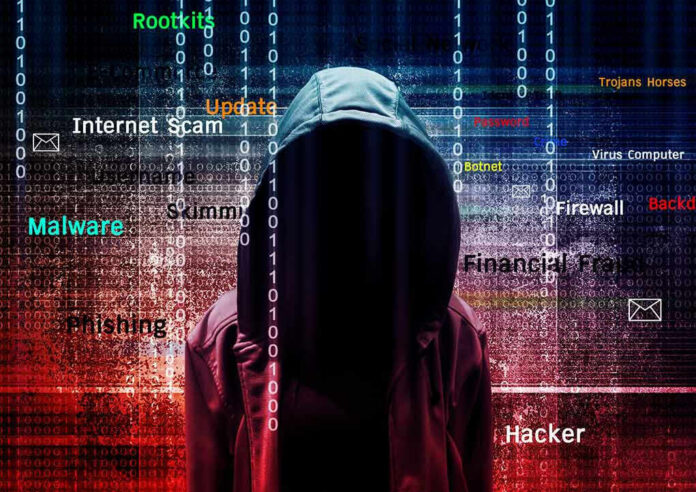
You might want to sit down for this one: the FBI just sounded the alarm on a “cyber 9/11” scenario as airline cyberattacks surge, and the only thing moving faster than the hackers are the politicians scrambling for cover.
At a Glance
- FBI warns that U.S. airlines face escalating, coordinated cyberattacks threatening critical infrastructure.
- Major airlines like Qantas and Hawaiian Airlines have suffered massive data breaches, with millions of passengers’ information exposed.
- The aviation sector’s obsession with digital convenience has created a hacker’s playground, making air travel less secure than ever.
- Experts and the FBI say a catastrophic “cyber 9/11” is a real, growing risk if the industry doesn’t get its act together.
FBI Issues Dire Warning as Cyberattacks Target U.S. Airlines
The Federal Bureau of Investigation officially raised the stakes on June 27, 2025, issuing a public warning that U.S. airlines are now prime targets for sophisticated cyberattacks. What was once a fringe concern about hackers stealing frequent flyer points has escalated into a full-blown national security threat, with the FBI bluntly stating that the tactics have shifted from simple data theft to the potential for catastrophic disruption of airline operations. Just what every traveler needed: another reason to distrust the very systems that are supposed to keep us safe in the air. The agency’s warning follows a year of relentless attacks that have left airlines, airports, and millions of passengers exposed and infuriated.
Let’s not mince words: when the agency tasked with defending us against terrorists starts comparing airline cyberattacks to 9/11, America ought to pay attention. This is no longer about some kid in a basement hacking a rewards program. It’s about ransomware gangs and suspected nation-state actors—think Russia, China, Iran—testing the digital locks on the cockpit door. The digital transformation of modern aviation has turned every flight into a floating target, and the so-called experts who sold us on the wonders of “connected cockpits” and “smart airports” now admit the entire system is wide open to cyber sabotage.
From Data Breaches to Operational Chaos: Airlines Under Siege
In the past year alone, cyberattacks against aviation have skyrocketed—up 74% since 2020, with a stomach-churning 131% jump just from 2022 to 2023. This isn’t happening in a vacuum. In August 2024, a ransomware attack at Seattle-Tacoma International Airport stranded nearly 1,400 passengers as critical systems were yanked offline. Fast forward to this summer: Qantas confirmed a breach exposing up to six million customers’ personal data, and Hawaiian Airlines suffered a sophisticated attack traced to the notorious “Scattered Spider” ransomware gang. WestJet wasn’t spared either, with its own systems crippled. You’d think that after a data breach or two, the industry would learn its lesson. You’d be wrong.
Here’s the real kicker: these attacks aren’t even targeting the airlines’ most sensitive systems—yet. Investigators say no flight-critical avionics have been hacked, but experts warn it’s only a matter of time. The industry’s dependence on ancient operational technology, third-party vendors with questionable security practices, and a slapdash approach to digital upgrades have created a perfect storm. While airlines scramble to issue apologies and offer free credit monitoring, Americans are left wondering if the next blackout will come at 30,000 feet.
National Security, Public Trust, and the Cost of Ignoring Reality
The consequences stretch far beyond canceled flights and stolen frequent flyer miles. Each successful attack chips away at public confidence in air travel—a core pillar of national security and economic stability. The U.S. aviation sector supports $1.9 trillion in economic activity and 11 million jobs. Now, thanks to a parade of clueless executives and slow-moving government agencies, the entire system looks about as secure as an open border crossing. The FBI and cybersecurity experts aren’t mincing their words: if the industry doesn’t overhaul its approach, a digital 9/11 is not just possible—it’s probable.
The so-called fix? More government mandates, ballooning cybersecurity budgets, and endless finger-pointing between airlines, regulators, and IT vendors. Meanwhile, the American taxpayer gets to fund yet another round of “urgent reforms” while hackers plot their next move. Industry analysts and former White House cyber advisors are pleading for “zero-trust architectures” and “real-time intelligence sharing,” but the only thing zero about this situation is the accountability for years of digital negligence.
Sources:
FBI Warns of Cyberattack on Airlines (SecureWorld)
Aviation Cybersecurity: Current Threats (Sangfor)