
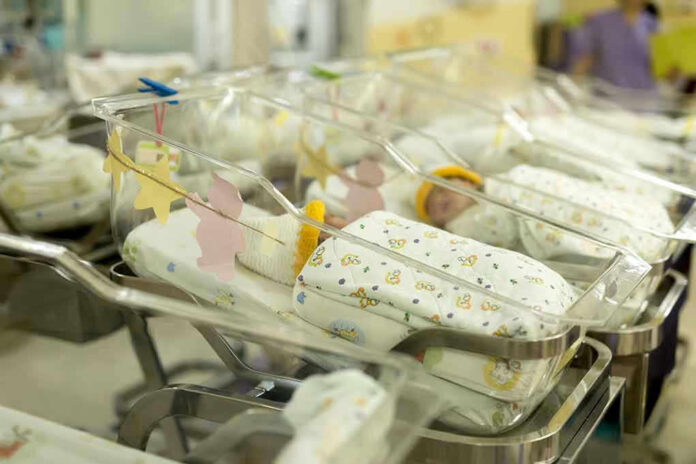
A Guatemalan woman in New Orleans delivered her premature baby at home and refused to call 911, fearing that federal immigration agents would arrest her and her partner during transport to the hospital.
Story Overview
- Operation Catahoula Crunch led to over 250 arrests in Louisiana and Mississippi within eight days, most without criminal records
- Immigrant families are skipping emergency medical care, missing appointments, and delaying prescription refills due to deportation fears
- A premature newborn nearly died when parents chose risking their baby’s life over potential arrest during hospital transport
- Healthcare providers report significantly higher no-show rates and increased anxiety among immigrant patients during raid operations
When Survival Choices Become Impossible
Community organizer Cristiane Rosales-Fajardo arrived at a New Orleans apartment to find a Guatemalan woman who had just delivered a struggling premature baby. The newborn wasn’t breathing properly, and the parents refused hospital care. Their reasoning was brutally simple: better to risk their child’s death than face certain deportation. Rosales-Fajardo resuscitated the baby herself, then spent precious minutes convincing terrified parents that calling 911 wouldn’t result in immigration arrests.
This life-or-death decision unfolded during the first weeks of Operation Catahoula Crunch, a Department of Homeland Security enforcement campaign that swept through southeastern Louisiana and Mississippi starting December 3rd. The operation netted more than 250 arrests in just eight days, with Associated Press reporting revealing that most of the first 38 people arrested in New Orleans had no criminal records.
The Chilling Effect Spreads Beyond Emergency Rooms
Healthcare providers across Louisiana and Mississippi began documenting a disturbing pattern within two weeks of the raids. Missed appointments surged to significantly higher-than-usual levels, particularly for pediatric checkups and follow-up care after surgeries. El Pueblo, serving immigrant communities in Biloxi and Forest, Mississippi, reported families refusing to fill prescriptions and canceling routine medical visits entirely.
The fear extends beyond avoiding hospitals. Familias Unidas en Acción in Louisiana fielded hundreds of calls from families requesting emergency food assistance because they were too afraid to leave their homes for work or grocery shopping. Parents kept children home from school, and workers abandoned jobs rather than risk traffic stops during commutes. The economic ripple effects compound the health crisis, as families unable to work face eviction threats and deeper poverty.
Hospitals No Longer Safe Havens
Immigration enforcement has effectively shattered the traditional concept of healthcare facilities as neutral, safe spaces. Federal agents now stake out hospital lobbies in California, appear at community clinics, and guard detainees in hospital rooms. The American Civil Liberties Union notes that hospitals must generally allow federal agents access to public areas unless specific protective policies are implemented.
University Medical Center nurses in New Orleans pushed for formal safe space policies after witnessing immigrant patients’ terror during routine visits. Their union urged hospital administrators to create areas shielded from enforcement and establish clear protocols protecting staff who attempt to shield vulnerable patients. Without such protections, trust built over years between healthcare providers and immigrant communities can disappear overnight, as one community leader described.
A Public Health Crisis in the Making
The intersection of immigration enforcement and healthcare access creates long-term consequences extending far beyond individual families. Unmanaged chronic diseases like diabetes and hypertension worsen when patients avoid routine monitoring. Pregnant women skip prenatal care, increasing risks for both mothers and babies. Infectious diseases go undiagnosed and untreated, threatening broader community health.
Recent federal policy changes have intensified these challenges. New restrictions exclude many lawfully present immigrants from Medicaid, Medicare, and marketplace subsidies, while rescinding exemptions that previously allowed immigrant access to various health and social programs. State attorneys general are challenging these changes in court, but the immediate effect creates what policy analysts describe as a tremendous chilling effect on healthcare access for immigrant communities.
Sources:
Call 911 or Risk Losing the Baby? Raids Force Some Immigrants To Avoid Care
Immigrant Access to Health Care Policy Analysis
Pregnant Immigrants Face ICE Deportation Fears
National Immigration Law Center Healthcare Survey
Trump Administration ICE Data and Surveillance Expansion
ICE Raid Preparedness Guide for Service Providers