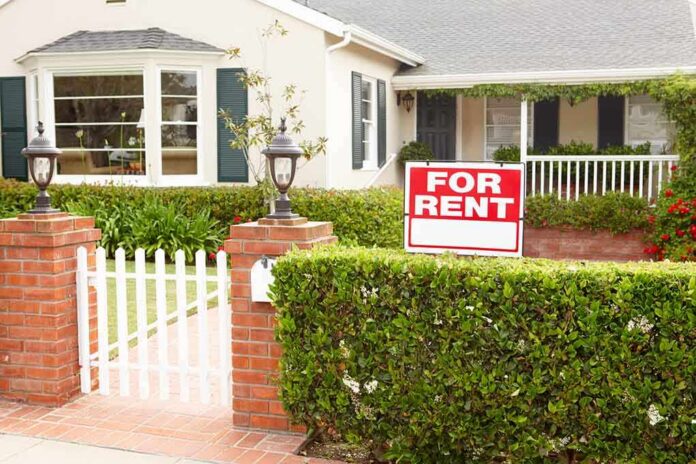
Los Angeles renters finally catch a break as median rents plunge to a four-year low of $2,167, delivering much-needed relief after years of Biden-era inflation and mismanagement crushed working families.
Story Snapshot
- L.A. metro median rent drops to $2,167 in December 2025, lowest since 2021, amid surging apartment supply.
- County population falls by 28,000 in 2025, easing demand pressure on housing.
- Vacancy rates climb to 5.3%, highest in over four years, creating a true renter’s market.
- Nationwide supply boom of over 500,000 units annually outpaces absorption, improving affordability.
- Experts forecast supply slowdown and rent recovery in 2026 under stabilizing Trump policies.
Supply Surge Ushers in Renter’s Market
December 2025 marked a turning point for Los Angeles renters when median rent fell to $2,167, the lowest in four years. Multifamily housing completions overwhelmed demand, pushing vacancy rates to 5.3%, the highest since April 2021. New units flooded the market, reducing competition for older stock and giving tenants leverage in negotiations. This shift contrasts sharply with prior shortages that burdened families under inflationary pressures from past fiscal policies.
Population Decline and National Trends
L.A. County lost 28,000 residents in 2025, weakening rental demand amid the supply wave. Nationally, apartment completions exceeded 500,000 units in both 2024 and 2025, record highs driven by post-pandemic construction spurred by early low interest rates and household formation. Sun Belt metros like L.A. faced the brunt, with occupancy easing to 92-95% in Q3 2025. Northeast and Midwest markets, constrained by less supply, saw rent gains instead.
High mortgage rates kept buyers renting longer, absorbing 337,400 units in the first nine months of 2025 per CBRE data. Yet mid-year moderation hit as deliveries peaked. Construction starts slowed late 2025, signaling the end of the supply boom. Affordability hit six-year highs nationally, with wage growth outpacing rents for the third straight year, aiding working Americans.
Stakeholder Insights and Market Dynamics
Anthony Luna, CEO of Coastline Equity, explained the L.A. drop stems from new supply displacing demand for older properties. George Ratiu, NAA VP of Research, forecasts a 2026 recovery as supply tapers, projecting 2% national rent growth. Developers and REITs now prioritize occupancy stabilization after peak deliveries, while data firms like CBRE, CoStar, and RealPage track absorption expected at 350,000-400,000 units this year. Property managers handle elevated vacancies in oversupplied areas.
Short-Term Relief, Long-Term Balance
Renters benefit short-term with lower prices and higher vacancies, reducing rent’s share of income to 2018 levels and easing doubling-up among families. Sun Belt communities stabilize as population trends flatten. Economically, flat rents support household formation through real wage gains. Socially, improved mobility aids job seekers. Politically, this undercuts housing crisis narratives in high-supply states, validating market-driven solutions over government overreach.
Long-term, supply slowdown restores 2-5% rent growth by 2026-2027, tightening conditions naturally. Multifamily sectors recover investor confidence, with Class B properties outperforming Class A temporarily. Single-family rentals expand as homeownership stalls amid rates. Experts like RealPage note sustained wage advantages deepen the renter pool, while NAA sees tailwinds unlocking demand.
Sources:
RealPage: Tailwinds for U.S. Apartments in 2026
NAA: 2026 Apartment Housing Outlook
Ferguson Partners: 2026 Rental Market Forecast
NerdWallet: Rental Market Trends
LA Times: ‘Finally, a renter’s market’: L.A. rent prices drop to four-year low
Zillow Rentals Consumer Housing Trends Report
Cushman & Wakefield: Trends to Watch
Construction Coverage: Cities with the Most Expensive Rents