

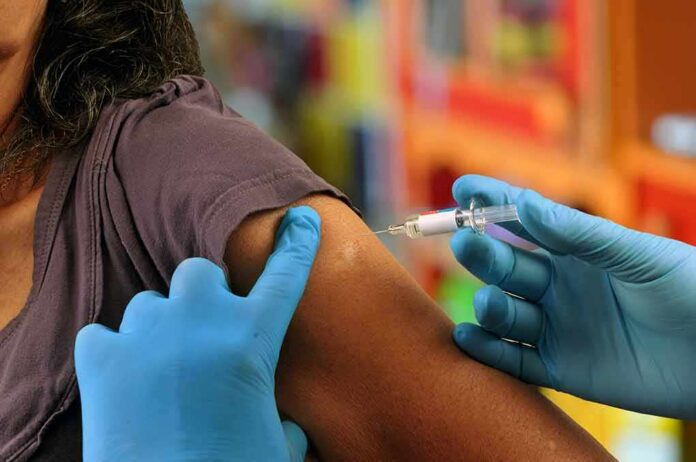
WHO’s top vaccine advisers signaled that countries may start routine HPV shots as early as age four to boost coverage, while keeping girls ages 9–14 as the main target before sexual debut.
Story Snapshot
- WHO’s expert group framed ages 4–8 as an option to raise uptake, not a new biological target.
- Girls ages 9–14 remain the primary focus for HPV vaccination in WHO policy.
- Simpler schedules, including one dose, aim to reach more girls worldwide.
- Global coverage has improved but still leaves many girls unprotected.
What WHO’s Experts Actually Proposed
The World Health Organization’s Strategic Advisory Group of Experts on Immunization said countries may consider routine human papillomavirus vaccination for girls ages 4–8 when it helps increase uptake and coverage, according to reporting that quoted a WHO vaccine expert. The core policy still identifies girls ages 9–14 as the primary target before sexual debut, which is the group that benefits most from vaccination timing. The shift aims to solve a delivery problem, not to redefine who needs the vaccine most.
Many health systems struggle to reach adolescents. Missed school sessions, clinic drop-off, and social barriers all chip away at coverage. Moving the first contact earlier could catch girls during routine childhood visits and before families disengage from the health system. That is a logistics fix, not a biology claim. The science behind HPV vaccination centers on protection before exposure, which is why ages 9–14 remain the formal priority in WHO materials.
Why Earlier Can Raise Coverage
Program leaders have a simple goal: get a safe, effective cancer-preventing vaccine into arms before risk begins. WHO’s December 2022 position opened the door to one- or two-dose schedules for girls ages 9–14 to simplify delivery and reduce dropouts. The same spirit drives the new option to start as early as age four where it improves uptake. Some countries have stronger systems for early childhood shots than for adolescent shots. Aligning HPV with those visits can close gaps without changing the medical aim.
Global numbers explain the push. The share of adolescent girls worldwide who received at least one HPV dose rose from 20 percent in 2022 to 27 percent in 2023, which is progress but still leaves most girls unprotected. Coverage varies by country and by program design. Where systems tie vaccination to routine checkups or school entry, rates climb. Where adolescent services are thin or irregular, many never start the series. Earlier timing is a tool to meet families where they already are.
What Stays the Same in WHO Policy
WHO’s core position holds steady on the big points. Vaccinate girls before sexual debut. Prioritize ages 9–14. Use streamlined schedules to widen reach and finish doses. The one-dose option for girls ages 9–14, endorsed in 2022, reflects evidence that a single dose provides strong protection and helps programs catch up after years of uneven rollout. Countries can still vaccinate older teens and young women where feasible, but the primary push remains early adolescence, where benefit is greatest per dose delivered.
Countries should view the 4–8 option as a delivery lever. Where adolescent coverage lags, moving HPV into the same window as other childhood shots could reduce missed chances and improve completion. Where school-based programs already succeed at ages 12–13, keeping the current timing may be best. The recommendation does not create a universal mandate. It offers a targeted approach to fix weak links and cut cervical cancer risk in places that miss girls later.
What Parents and Policymakers Should Watch
Parents should expect their health ministries to explain the local plan. If officials choose the 4–8 window, they should link it to data on missed adolescent visits and outline how clinics will track records over time. If they keep vaccination at ages 9–14, they should show how schools, reminders, and follow-up will lift completion. Either way, the public win is the same: more girls protected before risk begins, fewer late-stage cancers decades later.
CMCA has launched its latest campaign – Men Get It.
The message is men can get HPV – and can get vaccinated against it.
The campaign aims to increase awareness of HPV vaccination among gay, bisexual and other men who have sex with men.
Find out more at https://t.co/8PoZ1CGTR4 pic.twitter.com/ha0Ru4IaKq— Cheshire and Merseyside Cancer Alliance (@CMCaAlliance) October 13, 2026
Policymakers should bind the timing choice to simple metrics. Measure first-dose uptake, completion, and equity by district. Tie funding to coverage gains, not press releases. Use one-dose schedules to lower barriers where evidence supports it. Keep the message clear: this vaccine prevents cancers caused by human papillomavirus; the right age is the one that gets the most girls protected on time. That is common sense, fits conservative values of prevention and prudence, and spends public money where it works.
Sources:
insiderpaper.com, who.int, terrance.who.int, cdn.who.int
© theredwire.com 2026. All rights reserved.