Three people died when an NBC4/Telemundo 52 news helicopter crashed in Los Angeles while covering a fatal bus collision, turning one tragedy into two on the same night.
Story Highlights
- NewsChopper4 crashed near a deadly bus collision, killing the reporter, pilot, and a person on the ground.
- NBC4 and Telemundo 52 confirmed the aircraft was providing live aerial coverage when it went down.
- Los Angeles Fire Department reported additional injuries and emergency response at the scene.
- Federal investigators often link helicopter crashes to layered risks, not one single cause.
What Happened in Chatsworth
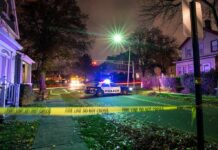
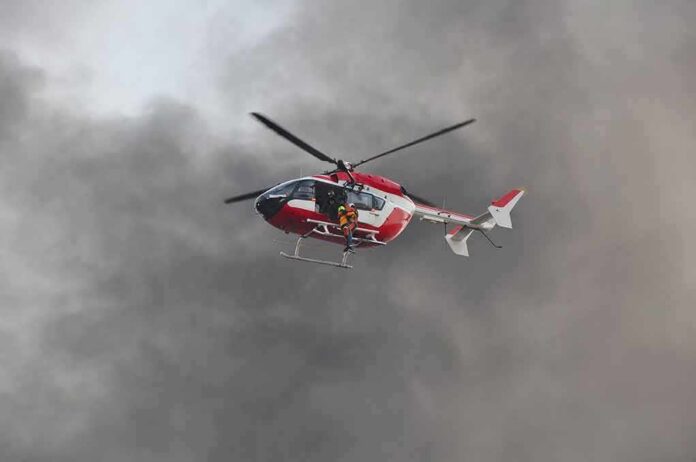
On Tuesday evening in the Chatsworth area of Los Angeles, a television news helicopter crashed and burst into flames near the site of a separate deadly bus collision. Officials said three people were killed, including the reporter, the pilot, and one person on the ground. At least one other person was taken to a hospital. The helicopter was covering the earlier bus crash for NBC Los Angeles and Telemundo 52 when it went down, according to city and station reports.
NBC4 and Telemundo 52 confirmed the aircraft was providing aerial news coverage at the time of the crash and expressed condolences to the families and colleagues of those who died. The stations identified the chopper as NewsChopper4, which serves both outlets. Their statement did not discuss a cause and focused on the loss and support for the affected families and newsroom teams after the fatal evening in the San Fernando Valley.
Victims and Early Response
Local and national outlets reported that the dead included the on-air journalist and the pilot flying the helicopter, as well as a pedestrian or bystander on the ground. The Los Angeles Fire Department confirmed multiple casualties and an emergency response that included transporting at least one injured person to a hospital. City leaders described the night as heartbreaking, and stations paused regular coverage to report on their own crews and the response at the scene.
Initial reports placed the crash near emergency activity tied to the earlier bus collision, which had already drawn multiple news aircraft to the area. NBC Los Angeles and other outlets said the helicopter belonged to KNBC and was supporting live coverage when it descended. Details on weather, traffic in the air, or possible mechanical issues were not available in early accounts. Authorities did not release an official cause at this stage of the response.
Why This Matters Beyond One Crash
National Transportation Safety Board (NTSB) work in recent years shows that helicopter accidents often stem from several factors acting together, including airspace layout, pilot workload, maintenance, and pressure around live coverage, rather than one failing alone. After a deadly midair collision near Washington, D.C., the NTSB criticized systemic gaps in airspace design and oversight and urged fixes to reduce conflicts between different types of aircraft in busy skies.
Reporter and pilot among 3 killed in Los Angeles TV news helicopter crash https://t.co/9dUrFpO672
— ABC11 EyewitnessNews (@ABC11_WTVD) September 16, 2026
Experts also warn that relying only on “see and avoid” in dense areas can leave crews exposed when attention is split between reporting and flying. Past crashes involving news helicopters show how fast problems can stack up when routes are crowded, tasks compete for focus, and risks go unmanaged. While this investigation will take time, the past pattern suggests that solving layered risks protects crews, bystanders, and the public who depend on timely, safe news coverage from the air.
Sources:
nypost.com, citizen.com, abc30.com, nbclosangeles.com, en.wikipedia.org, pbs.org
© theredwire.com 2026. All rights reserved.