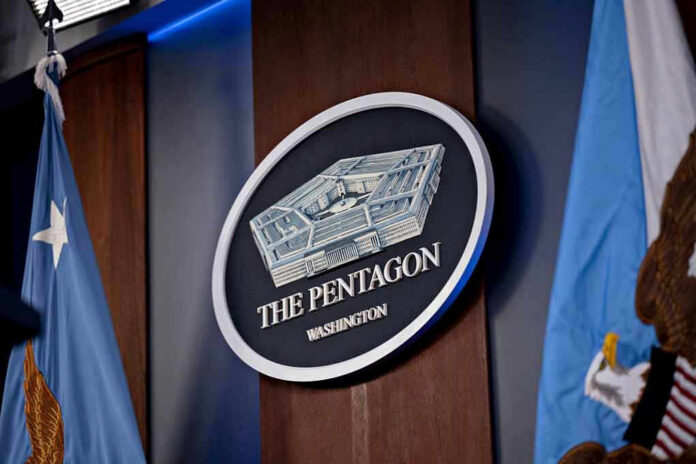
Pete Hegseth’s Pentagon briefing turned into a blunt warning shot at the press: stop shaping wartime coverage into an anti-Trump narrative while Americans are counting the cost.
Quick Take
- Defense Secretary Pete Hegseth blasted what he called “dishonest” and “anti-Trump” coverage during a March 13 Pentagon press conference as the U.S.-Iran conflict escalated.
- Hegseth claimed sharp declines in Iranian missile and drone attacks, while acknowledging a deadly KC-135 incident in Iraq and broader U.S. troop casualties.
- Administration messaging collided with media focus on U.S. losses, war authorization questions, and economic fallout tied to shipping risks near the Strait of Hormuz.
- A follow-up Pentagon briefing on March 19 included tribute to fallen troops as the White House continued signaling possible escalation if Iran expands attacks.
Hegseth’s Pentagon message: battlefield progress, and a media fight
Defense Secretary Pete Hegseth used a March 13 Pentagon press conference to argue the U.S. is gaining the upper hand in the widening U.S.-Iran conflict, while accusing major media outlets—especially CNN—of tilting coverage to undermine President Donald Trump. Hegseth claimed U.S. operations have severely degraded Iran’s ability to launch attacks, and he pressed reporters to acknowledge gains rather than dwell exclusively on setbacks and casualties.
Hegseth’s remarks landed during a grim news cycle for military families. U.S. Central Command confirmed six crew deaths tied to a KC-135 crash in western Iraq, and reports cited more than 140 U.S. troops wounded overall in the campaign’s early phase. The conference framed those losses alongside claims that Iran’s strike capacity is shrinking. The administration’s challenge is credibility: optimistic metrics matter, but so does transparent accounting when Americans are being asked to shoulder risk.
Operation Epic Fury: what’s known, what’s disputed, and why it matters
The conflict—often described in reporting as Operation Epic Fury—accelerated after U.S. strikes on Iranian military sites around February 2026 and Iranian retaliation using missiles and drones. Hegseth asserted a roughly 90% drop in Iranian ballistic missiles and a 95% drop in drones, a set of figures that appear to be U.S.-sourced and not independently verified in the provided reporting. Another point remains contested: reports cited U.K. warnings about Iranian mining near the Strait of Hormuz, while Hegseth pushed back.
That Hormuz dispute is not a side issue. Even limited disruptions can ripple into oil prices, shipping insurance, and household costs—an anxiety point for Americans still frustrated by the inflationary hangover of prior years’ spending and energy decisions. The public is being told the enemy is “decimated,” yet shipping risks and economic shockwaves remain a live concern. Where outside corroboration is limited, the responsible approach is to separate operational claims from verifiable effects, such as shipping interruptions and price volatility.
Press scrutiny vs. public trust: the casualty question takes center stage
The media-administration clash intensified after the March 13 briefing when White House Press Secretary Caroline Leavitt sparred with CNN’s Kaitlan Collins over coverage that emphasized troop deaths. That tension reflects a deeper divide about what wartime reporting should prioritize: the immediate human cost, or strategic progress and mission rationale. Conservatives have long argued that corporate media too often acts like an opposition party, but wartime trust is earned with clarity—especially when grieving families hear leaders emphasize victory while headlines emphasize loss.
March 19 follow-up: tribute to the fallen amid escalation talk
By March 19, Hegseth and Joint Chiefs Chairman Gen. Dan Caine returned to the Pentagon briefing room with a more formal tribute to fallen service members. Reporting also described President Trump signaling potential massive retaliation if Iran expands attacks, including against U.S. interests tied to Qatar. The shift matters because it underscores two realities at once: the administration wants the public to see a trajectory toward success, while also preparing Americans for the possibility that Iran’s next move could widen the conflict.
Constitutional and policy stakes: war powers, accountability, and measured aims
Polling referenced in the research indicated meaningful public discomfort with the war’s direction and process, including a desire for congressional approval. That should not be dismissed as partisan noise. Conservatives value constitutional order, and war powers debates are part of that, even when Americans strongly support the troops and demand strength against hostile regimes. The practical takeaway is straightforward: the administration can defend operational necessity while still keeping Congress and the public fully informed, reducing space for media narratives driven by suspicion.
Pete Hegseth Attacks 'Dishonest and Anti-Trump Press' in Icy News Conference Rant https://t.co/oypvFaHPiY
— Mediaite (@Mediaite) March 19, 2026
Hegseth’s press offensive may energize supporters who are tired of what they view as “gotcha” coverage, but the long-term test will be whether official claims hold up as events unfold. The most solid facts in the current record are the casualties, the ongoing shipping and economic concerns, and the unmistakable escalation in rhetoric on both the battlefield and the briefing-room podium. With independent verification limited on some operational metrics, Americans should watch for consistent follow-through, not just sharp one-liners.
Sources:
Hegseth, attacking press, declares victory is near amid ongoing Iran war