The most dangerous thing about “AI in the courtroom” isn’t the robot voice—it’s a fake citation that looks real enough to steal someone’s freedom.
Quick Take
- No verified single moment shows a prosecutor “caught in real time” inventing a whole case with AI; the reality is messier and more alarming.
- Nevada County, California saw a criminal filing withdrawn after bogus citations appeared, with disputes over whether prosecutors disclosed AI use when questioned.
- Kenosha County, Wisconsin involved a judge striking a prosecutor’s brief and sanctioning the office for undisclosed AI use under a local notice rule.
- Courts are moving toward disclosure-and-verification norms because hallucinated citations waste judicial time and threaten defendants’ rights.
The Viral “Gotcha” Story Collides With What Actually Happened
Online clips promise a clean morality play: a judge catches a prosecutor using AI to fabricate a case, right there on the record, and justice snaps into place. The documented pattern looks different. Prosecutors filed written briefs containing legal citations that turned out to be made up—classic AI “hallucinations” dressed in a suit. Judges and defense lawyers then questioned the work after submission, triggering withdrawals, sanctions requests, and a slow-motion credibility crisis.
That distinction matters. A courtroom “caught red-handed” moment implies instant accountability. A hallucinated citation inside a filed brief suggests something worse: a system that can absorb false authority long enough to influence decisions, schedules, plea leverage, or detention. For readers who value due process and basic competence in government, the threat isn’t theatrical misconduct. The threat is ordinary paperwork quietly turning unreliable—until somebody with time and skepticism notices.
Nevada County, California: Withdrawn Brief, Unsettled Questions
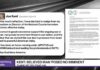
The Nevada County episode centers on a prosecutor’s office led by District Attorney Patrick Wilson and a criminal matter involving Kalen Turner. A filing reportedly included AI-generated false case citations and was withdrawn after the problem surfaced. Defense attorneys didn’t stop at “oops.” They argued the error carried the hallmarks of AI hallucination and raised concerns about whether the office disclosed AI use when a judge asked questions that should have forced a straight answer.
The office’s public posture, as reported, tried to narrow the blast radius: one error attributed to AI, other problems framed as human mistakes, and emphasis on withdrawing the flawed document. Chief Deputy Lydia Stuart pushed back on defense claims and invoked rules designed to deter frivolous sanctions motions. That tug-of-war is more than lawyerly bickering. It tests whether a prosecutor’s duty of candor means proactive disclosure when AI touches a filing, especially in criminal cases where liberty sits on the line.
Kenosha County, Wisconsin: A Judge, A Rule, and a Struck Brief
The Wisconsin matter offers the closest thing to “real time” consequences. A prosecutor filed a response brief that contained hallucinated citations and, crucially, did not disclose AI use despite a local rule requiring notice. The judge struck the brief during proceedings and sanctioned the prosecutor’s office for the non-disclosure and errors. The case was dismissed, with reporting indicating the dismissal rested mainly on probable-cause problems rather than the AI fiasco alone.
That nuance should comfort nobody. A dismissal “not solely because of AI” still exposes a government culture problem: the temptation to treat AI as a shortcut instead of a tool that demands verification. Conservative common sense says the state must meet its burden cleanly and honestly. If a prosecutor can’t be bothered to confirm citations before filing, why should the public trust other representations—timelines, lab results, or the gloss placed on police reports—especially when the defendant often lacks resources to fight back?
How AI Hallucinations Sneak Into Legal Writing So Easily
Large language models excel at producing plausible-sounding text, and legal citations are the perfect disguise. They follow predictable formats, they “feel” authoritative, and busy readers often assume someone else checked them. When a tool invents a case name or a quotation, it can look indistinguishable from the real thing at a glance. In law, that’s not a harmless typo. A fake precedent can distort how a judge frames the issue before ever reaching the merits.
Workload pressure makes the trap more likely. Prosecutors’ offices handle heavy dockets; judges manage crowded calendars; public defenders triage emergencies. AI enters as a productivity promise: summarize, draft, cite, move on. The conservative critique isn’t “technology bad.” It’s “government must be competent.” When the state uses tools that produce convincing nonsense, the state increases the odds of wrongful leverage—pushing pleas, delaying dismissals, or muddying the record—without any democratic consent.
The Accountability Gap: Disclosure Rules Are a Start, Not a Solution
Disclosure rules like the Kenosha notice requirement aim to force sunlight: tell the court you used AI so the judge can scrutinize accordingly. That’s sensible, but incomplete. A prosecutor can disclose and still file garbage. The real standard should remain what it has always been: verify your sources, cite real authority, and correct mistakes immediately and transparently. Anything less turns “AI assistance” into an alibi for sloppiness, not an efficiency gain.
Nationally, the consequences are already visible. Reports describe resignations after AI-related filing errors and growing judicial impatience with “AI shortcuts.” Courts also face collateral issues, including how AI-generated material intersects with confidentiality and privilege. The throughline is simple: the justice system runs on trust in the written word. When that word can be machine-generated fiction, judges will either harden procedures or watch legitimacy drain away case by case.
https://twitter.com/PJMedia_com/status/2036144710440411223
The practical takeaway for citizens is blunt. Viral clips can mislead, but the underlying problem is real: AI can manufacture legal “support” fast enough to outrun human review. The fix shouldn’t be partisan, but it should align with conservative principles: limit bureaucratic shortcuts, demand transparency from state power, and enforce consequences when government lawyers cut corners. When the state cites imaginary law, the state isn’t just embarrassed—it risks becoming unaccountable.
Sources:
California Prosecutor Says AI Caused Errors in Criminal Case
Federal Court Rules Client’s AI-Generated Documents Not Privileged
Federal prosecutor resigns after AI errors found in court filings
California Courts Send Clear Message: AI Shortcuts Have Serious Consequences