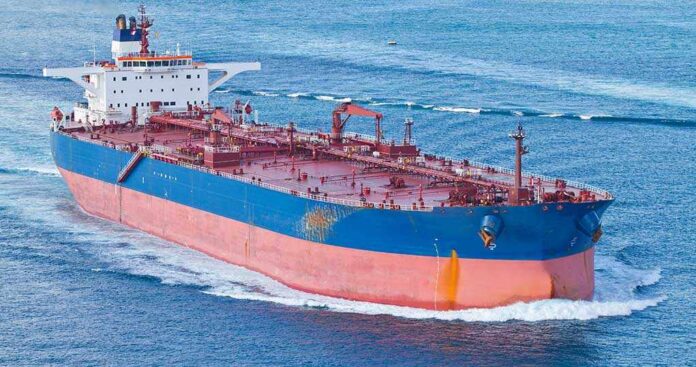
As tensions flare in the Strait of Hormuz, Secretary of State Marco Rubio is urging China to rein in Iran—raising the stakes for global shipping, energy prices, and U.S.-China power politics at the same time.
Story Snapshot
- Rubio pressed Beijing to tell Tehran it is “the bad guy” in Hormuz and to stop threats to commercial shipping [1].
- Rubio warned of possible Iranian tolls or restrictions on the strait, citing risks to the global economy [2].
- Washington is testing United Nations diplomacy on a maritime resolution condemning Iran’s actions [4].
- Available records lack a primary Iranian rebuttal to specific attack and mine-laying allegations [1][2][5][6].
Rubio’s Message to Beijing and the Stakes for Global Commerce
Secretary of State Marco Rubio publicly called on China to pressure Iran to de-escalate in the Strait of Hormuz, framing Tehran as responsible for threats to shipping and global energy flows [1]. Rubio argued that instability in the chokepoint isolates Iran and endangers the world economy. He urged Beijing to deliver the warning directly, linking China’s leverage to its energy needs and dealings with Iran [1]. The appeal places China at the center of a U.S.-led attempt to keep oil moving and avoid a broader crisis [1].
Rubio also raised alarms that Iran could attempt to toll or restrict shipping transiting Hormuz, a move that would ripple through freight rates, insurance costs, and pump prices worldwide [2]. He paired the warning with signals of U.S. resolve at sea and criticism of actions that impede lawful passage [6]. The argument echoes past Gulf crises where alleged attacks, mines, or seizures spiked risk premiums and forced reroutes—costs ultimately borne by consumers and small businesses far from the Gulf [2][6].
United Nations Track and the Limits of Verification
Parallel to bilateral pressure on Beijing, Washington is testing a United Nations path. Reporting describes a draft resolution condemning Iran’s alleged violations and threats related to maritime security, challenging the institution to demonstrate relevance amid escalating risks [4]. Prior Council dynamics suggest great-power vetoes can stall action even as tensions rise. The move still matters: formal censure can shape coalition patrols, insurance guidance, and the narrative that defines who bears blame when shipping is disrupted [4].
The public record assembled around Rubio’s remarks highlights a recurring problem in fast-moving maritime crises: allegations often outpace verifiable, incident-level evidence available to the public. The retrieved material contains no primary Iranian foreign ministry transcript or Islamic Revolutionary Guard Corps document directly rebutting claims about mines, ship attacks, or a formal toll regime [1][2][5][6]. That evidentiary gap can tilt perception toward the most amplified narrative until independent forensics or insurer data surface [1][2][6].
Why Both Parties See Risk—and Why Voters Are Skeptical
Conservatives who prioritize secure borders, stable energy, and clear rules of engagement see Rubio’s pressure campaign as overdue deterrence against a state actor threatening commerce. Liberals worried about escalation, great-power rivalry, and inequality see another Middle East flashpoint that could raise consumer costs and strain diplomacy. Both camps share a deeper frustration: when chokepoint crises hit, elites and institutions tend to trade statements while prices climb and transparency lags, leaving working families to absorb the fallout at the pump and in the checkout line.
Marco Rubio says China should pressure Iran to reduce tensions because instability in the Persian Gulf threatens China’s energy and shipping interests.
— Mel Gibson (@MelGibsongh7) May 13, 2026
For readers tracking signals, several indicators will show whether this effort shifts outcomes. First, watch for any Chinese foreign ministry readout addressing U.S. requests; even cautiously worded language would mark movement. Second, look for insurer advisories and ship routing changes, which reveal real risk more than podium talk. Third, see whether the United Nations text advances beyond drafts. Until such confirmations appear, Rubio’s bid to enlist Beijing is best viewed as high-stakes positioning with real-world costs if Hormuz remains unstable [1][2][4][6].
Sources:
[1] Web – Rubio hopes China tells Iran’s FM they are ‘the bad guy’ in Hormuz …
[2] YouTube – Marco Rubio Says Iran May Impose Toll on Strait of Hormuz Shipping
[4] Web – Rubio challenges UN to prove its worth with Iran maritime resolution
[5] Web – Rubio Blames Iran For Global Shipping Crisis – Ommcom News
[6] YouTube – U.S. Navy Will Respond After Strait of Hormuz Escalation