
Federal prosecutors say a sitting Massachusetts lawmaker stole more than $700,000 in pandemic aid, turning a safety net into his personal cash machine.
Story Snapshot
- A grand jury indicted State Rep. Francisco Paulino on 11 federal counts.
- Prosecutors allege he fraudulently drew pandemic unemployment and small-business aid.
- The charges include eight counts of wire fraud and three of unlawful monetary transactions.
- The case lands amid a nationwide crackdown on COVID-19 relief fraud.
What Prosecutors Allege In The Massachusetts Case
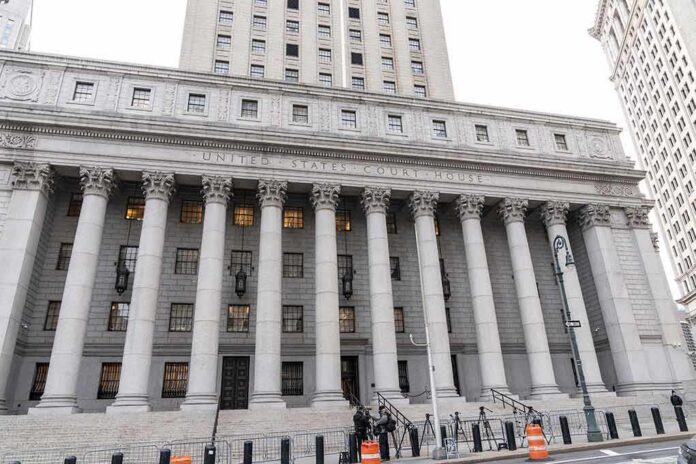
Federal court records show a grand jury charged State Representative Francisco Paulino with eight counts of wire fraud and three counts of unlawful monetary transactions. The indictment describes a scheme beginning in 2020 to obtain pandemic unemployment aid and small-business disaster loans using false claims. Prosecutors say the total exceeded $700,000. Agents arrested Paulino following the indictment. Paulino has pleaded not guilty in court. The charges are allegations, and he is presumed innocent unless proven guilty.
The indictment outlines how the funds allegedly moved. It cites applications and transfers tied to pandemic relief programs. It alleges the money later supported personal spending, campaign activity, real estate, and lending. Wire fraud charges require proof of a scheme to defraud and the use of interstate wires. Unlawful monetary transaction counts require proof that he moved criminal proceeds through financial channels over a set dollar amount. A trial would test those elements.
How The Alleged Fraud Fits A Larger National Pattern
This case joins a long list of pandemic-aid prosecutions. The Department of Justice says more than 3,500 defendants have been charged in COVID-19 relief fraud matters since the government formed a focused task force. Officials report billions seized or forfeited as cases move through court. Early program design and speed made those funds a target. Federal reviews found most likely fraud started during the first months, when checks were lighter and demand was highest.
Government watchdogs have tracked the scope. The Government Accountability Office reported that by June 2023, at least 2,191 people or entities had been charged across programs linked to the pandemic response. Those cases span unemployment aid, small-business loans, and other relief channels. The numbers show this wave was national, not local. They also show that enforcement remains active years after the initial rollout, as investigators follow paper trails and bank records.
Why Voters Across The Spectrum Care
Taxpayers funded emergency relief to keep workers and small firms afloat. When politicians or public officials are accused of stealing that aid, it cuts trust on both the right and the left. Many Americans already feel the system favors insiders and overlooks regular people. A case like this suggests gatekeepers failed basic tests. It also suggests oversight arrived only after the money went out the door, which feeds frustration with how the government manages big programs.
For conservatives, alleged abuse confirms fears about waste, weak controls, and the cost of rushed programs. For liberals, it highlights unequal impact when fraud drains funds from needy families and small businesses. For both, a fair outcome means clear facts in court and real consequences if guilt is proven. Stronger identity checks, data sharing, and clawbacks can help. But the larger fix is simple: build programs that move fast without dropping common-sense safeguards.
Sources:
wcvb.com, justice.gov, x.com, youtube.com
© theredwire.com 2026. All rights reserved.