A public school-choice advocate says a Wells Fargo executive “liked” a threat on his family photo, and now scrutiny is turning to the bank’s culture and response.
Story Snapshot
- Corey DeAngelis says online backlash targeted him and his family after his advocacy.
- Wells Fargo lists detailed senior leadership, focusing attention on accountability.
- The bank has a long record of conduct failures that shape public reactions.
- Corporate codes and statements show how companies handle sensitive incidents.
What DeAngelis Says Happened To His Family
Corey DeAngelis, a leading voice for school choice, said that the backlash against him reached his family. He told an interviewer that “they also came after my family,” describing how the pressure touched his home life. He framed it as part of broader efforts to “cancel” him and those close to him. His statement places a personal cost on a political fight. It also explains why a reported “like” on a threatening comment would feel alarming to him and his supporters.
DeAngelis’s claim matters because it spotlights how online fights can jump from policy to people. When threats reach family photos, they cross a line most Americans reject. That is true for conservatives who see rising hostility toward dissent. It is also true for liberals who worry about harassment and the chilling of speech. A single tap on a social post can act like an endorsement. It can escalate an already tense debate into a safety concern.
Why Wells Fargo’s Structure Draws Attention
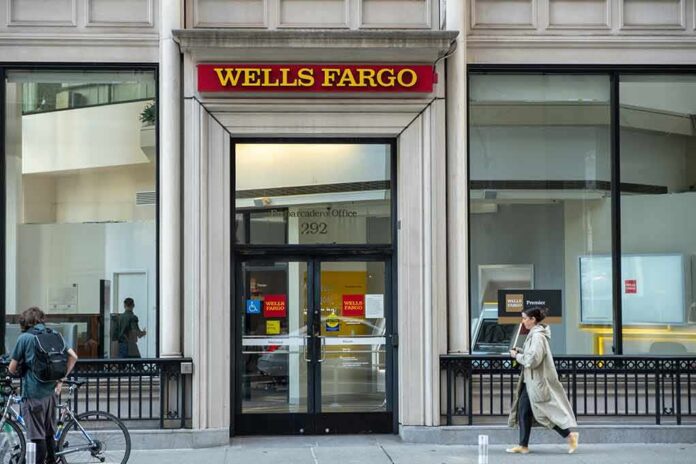
Wells Fargo publishes its leadership and governance details on its own site. The pages name top executives and outline board oversight and controls. That level of public detail can make any alleged misconduct by a senior employee feel weightier. People can compare titles, reporting lines, and company values with the behavior in question. Transparency that builds trust in normal times can channel anger when conduct appears to clash with stated standards.
The bank also issues formal statements on sensitive regulatory topics through its newsroom. That practice shows the company knows how and when to speak with care. It has used this channel to explain agreements with federal regulators and to signal its priorities. That history leads observers to watch for any corporate response when employee behavior online becomes news. Silence can be read as caution, while a statement can set expectations and next steps.
The Shadow Of Prior Misconduct And Compliance Fines
Wells Fargo’s past scandals shape how the public reads new claims today. The bank’s sales-practice abuses triggered years of investigations and penalties. Those included a multi-billion dollar resolution that detailed serious customer harm. Lawmakers held hearings and pressed for reforms meant to rebuild trust. That record does not prove any new allegation. But it makes people faster to suspect deeper cultural problems when fresh issues surface.
This history also affects employees and customers who want clear standards. When a company has stumbled before, it must show it can police conduct now. That is especially true about threats and harassment, which sit beyond normal political speech. Companies often promise to protect people and to enforce their codes. Each new incident becomes a test of those promises. The stakes are not only legal. They are moral and reputational across a divided country.
How Companies Typically Handle Employee Social Posts
Large employers usually rely on a written code of conduct and defined channels to handle misconduct. Codes tell staff to avoid threats or harassment and to report concerns through managers or ethics hotlines. Human resources teams review posts, check facts, and weigh discipline. Legal teams guard privacy rules and labor law. That process can take time. It can also look quiet from the outside, even when action is underway inside the company.
"A Wells Fargo executive liked a comment widely viewed as a threat on a family photo posted by school choice advocate Corey DeAngelis."https://t.co/MgTzwgIzjt
— Corey A. DeAngelis, school choice evangelist (@DeAngelisCorey) August 27, 2026
Public statements tend to be brief, especially when personnel issues are in play. Leaders try to avoid comments that could prejudice an internal review. They also try to balance speech rights with safety and brand risk. Many readers on both left and right see this as more proof that elites protect their own. Others see it as standard risk management. Either way, the system often feels slow and distant to families who just want threats taken down fast.
Why This Story Resonates Across The Aisle
Americans share a simple line: do not menace people’s families. That norm holds no matter the policy debate. It explains why a reported “like” on a threatening comment lights a fire online. People want institutions to take these moments seriously. They also want fairness and clear rules that apply to everyone. In an era of rising distrust, how companies respond can either cool tensions or confirm fears about a protected class inside powerful firms.
Sources:
twitchy.com, newsroom.wf.com, linkedin.com, wellsfargo.com
© theredwire.com 2026. All rights reserved.