
Gunmen turned a funeral at a Greek Orthodox church in Jordan into a massacre, killing seven and wounding dozens, as officials called it a terrorist attack by extremists.
Story Snapshot
- Officials said extremists attacked mourners at a Greek Orthodox church in Karak, killing seven and injuring up to 40.
- Authorities called it a terrorist act, but no suspects or group have been publicly identified.
- Witness accounts and security footage point to multiple masked gunmen and a planned assault.
- Early reports differed on the wounded and attacker count, showing a fast-moving, unclear scene.
What Happened In Karak And What We Know So Far
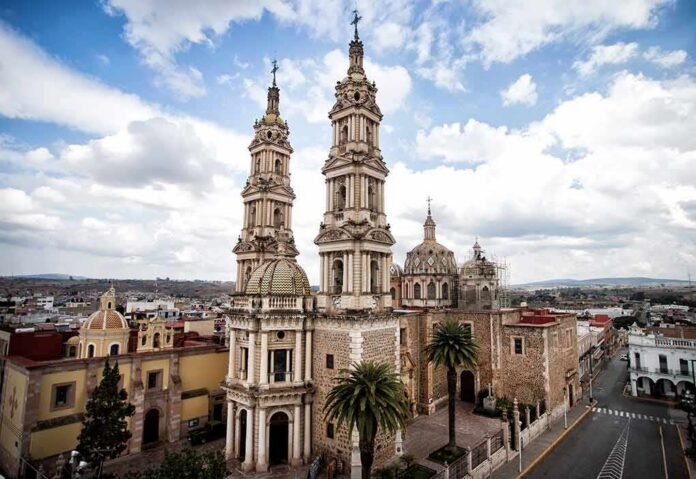
Jordanian officials said gunmen opened fire during a funeral at a Greek Orthodox church in Karak on October 23, 2026. The attack killed seven people and wounded about 40, according to officials and major outlets. Authorities called the assault a terrorist act and blamed extremists, while saying the investigation was ongoing. Reports placed the shooting in the village of Hmoud in Karak governorate, south of Amman. Officials did not announce arrests or identify the suspects at the time of reporting.
Reporters cited survivor accounts and security details indicating a coordinated assault. Witnesses described masked men, and video cited by outlets appeared to show multiple gunmen firing near the church area. One account described a rifle like an AK-pattern weapon. These details support a planned attack rather than a single random shooter. Initial numbers varied on injuries and attackers, which is common in breaking events as hospitals and police reconcile reports.
Authorities Say ‘Terrorist Act,’ But Motive And Ties Remain Unclear
Jordan’s interior minister said extremists carried out the attack and labeled it terrorism. At the same time, he stated it was too early to link the assailants to a known group inside or outside the country. No organization had claimed responsibility in the early coverage. That leaves the public without confirmed identities, a clear motive, or a group link, even as investigators pursue leads and security forces search for suspects.
The attack struck a Christian church during a funeral, which raises fears of sectarian targeting. Officials and outlets confirmed the site as a Greek Orthodox church, adding weight to concerns about an ideological motive. Yet, without named suspects or evidence released to the public, motive cannot be stated as fact. Caution is warranted until authorities provide verified identities, arrests, or forensic proof linking the attackers to any network.
Why This Matters For Security, Trust, And Shared Values
Attacks on houses of worship cut at the core of basic freedoms. People expect to mourn, pray, and gather without fear. When the first story is “terrorist act” but evidence is not yet public, many citizens grow wary. They want fast, clear facts: who did this, how, and why. Early confusion on injury counts and the number of attackers adds to doubt, even when officials are acting in good faith during chaos.
A survivor and an injured woman recount the terrifying moments of the attack on Hammoud Church in Jordan’s Karak governorate.
Speaking to Roya, they describe the incident, which took place as they attended a funeral, as an unimaginable nightmare. pic.twitter.com/UDjqZ07sk3
— Roya News English (@RoyaNewsEnglish) October 24, 2026
People across the political spectrum share the same bottom line. They want government to protect life, tell the truth, and show the receipts. Jordanian authorities can calm fears and build trust by releasing verified footage, arrest records, and forensic findings once safe to do so. Transparent updates can honor the victims, counter rumors, and help prevent copycat crimes. Clear facts, not spin, are the best defense against both violence and public cynicism.
Sources:
thegatewaypundit.com, reuters.com, apnews.com, vaticannews.va, aljazeera.com, bbc.com
© theredwire.com 2026. All rights reserved.