

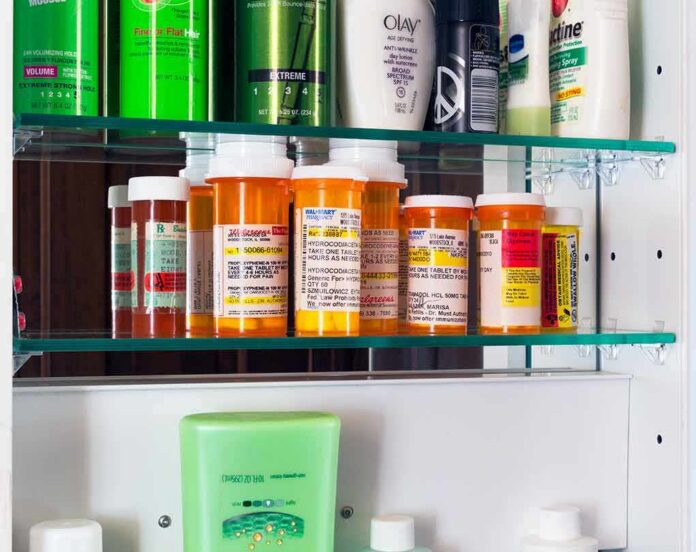
A single batch of a common blood pressure pill is being pulled from shelves nationwide after the maker found it may contain tiny bits of metal that could slice the inside of your mouth, throat, or gut.
Quick Take
- Breckenridge Pharmaceutical issued a voluntary nationwide recall of one lot of Propranolol Hydrochloride Extended-Release Capsules, 60 mg.
- The affected lot carries NDC number 51991-817-01, lot number PK25110035, and an expiration date of May 2029.
- The company says the capsules could cause lacerations inside the mouth, esophagus, stomach, or intestines.
- The pills shipped to wholesalers and pharmacies across the country between October 26 and November 4, 2026.
What The Recall Actually Covers
Breckenridge Pharmaceutical announced on November 16, 2026, that it was pulling one specific lot of its extended-release propranolol capsules, a drug widely used to treat high blood pressure and heart rhythm problems. The recall is limited to 100-count bottles bearing lot number PK25110035, with an expiration date of May 2029. Customers can check their own bottle against that exact lot number.
The company says the problem traces back to shared intermediate material, the in-process ingredient used before capsules are finished. That material is suspected to be the source of metal contamination found in a different, separate lot that never reached pharmacy shelves. Because the two lots shared the same upstream material, Breckenridge chose to recall the one that did ship.
Why Metal In A Capsule Is Dangerous
Breckenridge spelled out the risk in plain anatomical terms: using a contaminated capsule could cause lacerations of soft tissue in the mouth, esophagus, stomach, or intestines. Those are the organs a swallowed pill passes through on its way into the body, so any sharp fragment riding along with the medicine has several chances to cause an internal cut before it clears the digestive system.
That kind of injury would be rare, but it is not something patients can see or feel coming. A capsule looks and feels normal from the outside. The company has not reported any adverse events tied to this lot as of its announcement, which means the recall is built on caution rather than confirmed injuries.
How Far The Product Traveled
This was not a small regional shipment. Breckenridge distributed the affected lot to wholesalers and pharmacies across the entire country over about a nine-day window in late October and early November 2026. That nationwide reach is why the recall notice matters well beyond any single state or pharmacy chain.
The manufacturer behind the capsules, Adare Pharma Solutions, produced the product before it reached Breckenridge for distribution. Public recall notices typically name the manufacturer and the distributor separately, since quality problems can originate anywhere along that chain, from raw material sourcing to final packaging.
What Patients Are Being Told To Do
Breckenridge’s instructions are straightforward. Anyone with a bottle matching the recalled lot number should stop using it immediately. Patients are told to contact their doctor or pharmacist for guidance on getting a replacement, since propranolol is often prescribed for serious heart and blood pressure conditions that should not go untreated.
Pharmacies and distributors carrying the product were also told to check their inventory against the lot number and pull any matching stock. Patients should not simply stop taking a prescribed heart medication without a replacement plan, since abruptly stopping propranolol can itself cause health problems.
Putting This Recall In Context
Foreign material in medicine is not new territory for federal regulators. The Food and Drug Administration’s own recall records show a steady stream of similar cases involving glass particles, plastic fragments, stopper material, and metal, across many different drug products over the past several years. Companies are expected to act once contamination risk is identified in any part of their production chain, not only after it is proven in every single bottle.
That standard explains why Breckenridge moved on one lot tied to a shared ingredient source, even without reporting confirmed injuries. It is a precautionary, nationwide response built around a specific lot number, a specific product, and a specific injury concern, giving patients and pharmacists exactly what they need to check their own shelves.
💊 BLOOD PRESSURE MEDICATION RECALLED NATIONWIDE OVER POSSIBLE METAL CONTAMINATION
Breckenridge Pharmaceutical Inc. issued a voluntary nationwide recall for one lot of 60 mg propranolol hydrochloride extended-release capsules (lot PK25110035, expiring May 2029) over potential…
— Erik Hoffmann (@TheErikHoffmann) November 17, 2026
Anyone taking propranolol extended-release capsules should check the bottle label now rather than later. The lot number is printed right on the packaging, and matching it takes only a few seconds.
Sources:
washingtontimes.com, prnewswire.com, kmbc.com, wtsp.com, kbtx.com, houstonchronicle.com, fda.gov
© theredwire.com 2026. All rights reserved.