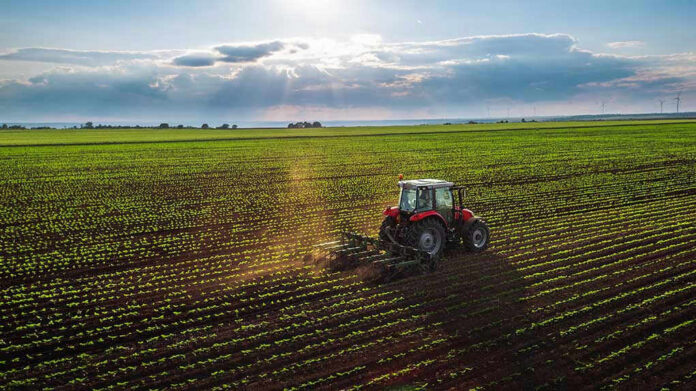
While American families struggle to buy groceries, the federal government is finally waking up to the fact that Chinese investors have quietly bought up nearly 300,000 acres of U.S. farmland—raising the question: was this insanity ever about “free markets,” or have we just been asleep at the wheel while adversaries buy up our heartland?
At a Glance
- Chinese entities own over 277,000 acres of U.S. farmland as of 2023, prompting serious national security and sovereignty concerns.
- The Trump administration is pushing aggressive new restrictions to ban and claw back Chinese and other adversarial foreign ownership of American farmland.
- Several states have already passed or are advancing laws to block foreign adversaries from buying agricultural land, especially near military bases.
- Bipartisan lawmakers are backing new federal legislation to strengthen oversight and reporting of foreign purchases of U.S. farmland.
Chinese Ownership of U.S. Farmland: How Did We Get Here?
Foreign money has been buying up prime American farmland for decades, but only now—after years of hand-wringing and “globalist” platitudes—are leaders treating it like the threat it is. In 2013, when China’s WH Group scooped up Smithfield Foods, most politicians shrugged. Now, with nearly 300,000 acres in Chinese hands, Americans are finally asking: how did we allow a communist adversary to gain such a foothold in our food supply?
The original 1978 Agricultural Foreign Investment Disclosure Act (AFIDA) was supposed to shine a light on foreign land deals, but it never blocked a single foreign purchase. It was the bureaucratic version of “thoughts and prayers”—lots of paperwork, no backbone. The result? Chinese companies and other adversaries bought up land near military bases and vital infrastructure, all while Washington insiders looked the other way, fixated on their next donor dinner instead of national security.
Trump Administration and States Say: Enough
The Trump administration, responding to years of grassroots outrage and a realignment toward America-first priorities, has rolled out a National Farm Security Action Plan. The plan doesn’t dance around the issue—it bans new farmland sales to Chinese nationals and other adversaries and calls for “clawing back” land already snapped up by foreign powers. No more excuses, no more hiding behind outdated laws. If you’re a foreign adversary, your shopping spree is over.
States aren’t waiting for Washington to get its act together, either. Iowa, Nebraska, Texas, and others are passing their own bans—especially targeting land purchases near sensitive military sites. Nebraska just passed LB7, one of the toughest state bills yet, reflecting a simple principle: we don’t let the fox buy the henhouse. If only that common sense had prevailed back when these deals were going through in the first place.
National Security, Food Security, and the Real Stakes
National security officials have been sounding the alarm for years. The Pentagon doesn’t want Chinese companies owning land near missile silos or Air Force bases. U.S. farmers and communities worry about food security, land access, and whether American agriculture will be run from Beijing instead of Main Street. The Government Accountability Office called out the current system’s failures in January 2024, and legislators—finally—are listening.
But here’s the kicker: some “experts” still argue foreign ownership is just a drop in the bucket. Tell that to the families living near a Chinese-owned hog farm, or the local officials whose military base now shares a zip code with a Chinese conglomerate. When it comes to national security and family values, “just a little bit” of foreign control is still too much. And if you think the Chinese Communist Party is buying up U.S. farmland as a “long-term investment,” I’ve got a bridge to sell you—one probably built with Chinese steel.
What’s Next: Will Washington Hold the Line?
Bipartisan lawmakers are finally moving to strengthen oversight, but we know how that goes—watchdogs without teeth and endless hearings that lead nowhere. The real test is whether Congress and the administration will actually enforce these new bans, force divestment, and put American farmers first. There’s talk of forced sales, tighter reporting, and coordination between the USDA and Pentagon. That’s all good, but until the land is back in American hands, it’s just more talk.
Chinese investors aren’t going to give up easily. Expect legal challenges, diplomatic saber rattling, and the usual suspects warning about “trade repercussions.” But Americans have had enough. The public is demanding action, not apologies, and they’re tired of watching their country get sold off piece by piece to the highest bidder—especially when that bidder is a hostile foreign power. The fight for America’s farmland, and America’s future, isn’t over. But at least the battle lines are finally clear.