Trump’s clash with Senate Majority Leader John Thune is now testing whether Republican leadership will back the SAVE America Act or keep hiding behind Senate rules.
Quick Take
- The House has already passed the SAVE America Act, which requires proof of citizenship and photo identification.
- Trump wants the Senate to move faster and has pushed for filibuster changes.
- Thune says the votes are not there to end the filibuster for this bill.
- Democrats are expected to block the measure under the current 60-vote rule.
Thune Says the Math Is the Problem
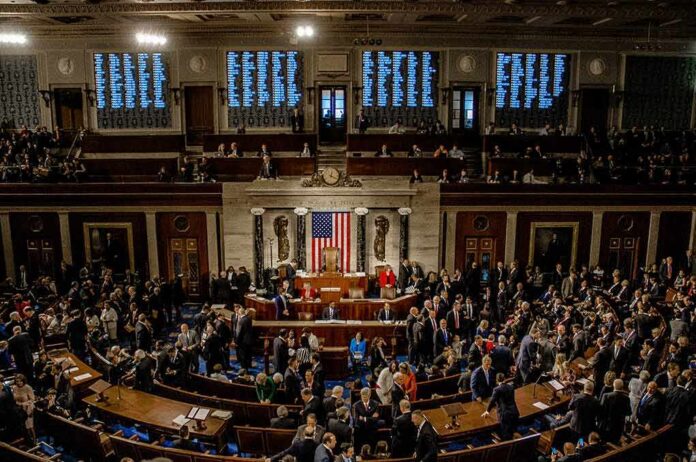
Senate Republicans now face a fight over whether the SAVE America Act should move under normal Senate rules or through a rules change. Thune has said there are not enough votes for either path, and public reporting says the bill is certain to face a Democratic filibuster. The White House and Trump allies argue that this is exactly the kind of issue that should be forced to a hard vote, not stalled by procedure.
The legislation is not vague or symbolic. The House-passed bill would require documentary proof of United States citizenship when people register to vote and photo identification when they vote. Supporters call that basic election protection. Critics call it a barrier to voting. That split explains why the bill has become a broader fight over election integrity, party discipline, and how much power Senate leadership should use to break a jam.
Trump Puts Pressure on Senate Republicans
Trump has made the SAVE America Act a top priority and has publicly pressed Republicans to treat it as urgent. He has also said he will not sign new legislation until the measure advances. That puts Thune in the middle of a direct test of Republican unity. For Trump supporters, the issue is bigger than one bill. It is about whether Senate Republicans will fight for voters who want stronger election rules.
Thune’s reply has been simple: the votes are missing. Reporting says he has told Republicans that there are not enough senators willing to support a filibuster change, and that the bill will be blocked if it comes up under current rules. Some reports also say he is willing to bring the bill to the floor and let Democrats block it, which would force them to take the public heat for opposing it.
Why This Fight Matters in the Senate
The real fight is over whether Senate leadership should force a confrontation or accept the chamber’s usual limits. The 60-vote filibuster rule makes a simple party-line win impossible without outside support. That is why critics say Thune is being too cautious, while supporters say he is counting votes honestly. In practical terms, the argument is not just about one election bill. It is about whether Senate Republicans still have the nerve to challenge a broken process.
🇺🇸 President Trump Just Now:
The Senate must stay in Washington until it passes the Save America Act or ends the filibuster. pic.twitter.com/D2SIhT7VjW
— Benjamin Burns l (@BenjamiinBurns) July 27, 2026
There is also a clear messaging battle. Trump’s side frames the bill as an election-security tool that would stop fraud and tighten standards. Opponents frame it as a restriction on voting access. That split gives Democrats an easy line of attack and gives Republican leaders a reason to worry about the bill’s chances. But the core facts remain plain: the House passed the measure, the Senate has not, and Thune says the votes are not there.
What Comes Next
The next move will show whether Senate Republicans intend to stand with Trump or keep deferring to Senate procedure. If leadership brings the bill up, Democrats are expected to block it under the filibuster. If leadership refuses to change the rules, Trump’s allies will likely keep treating Thune as the bottleneck. Either way, the fight is now about more than voting law. It is about who controls the Republican agenda in Trump’s second term.
Sources:
thegatewaypundit.com, en.wikipedia.org, cnbc.com, abcnews.com, campaignlegal.org, politico.com, brennancenter.org, yahoo.com, vox.com, nytimes.com, 19thnews.org, americanprogress.org
© theredwire.com 2026. All rights reserved.