
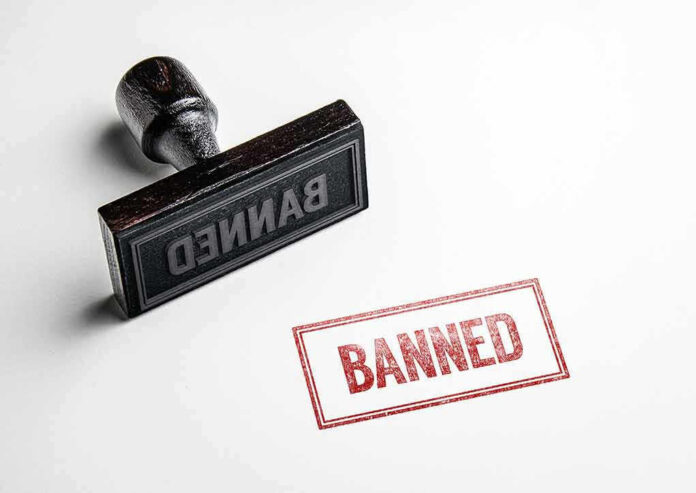
A federal ban on THC-infused drinks and snacks—buried in a shutdown bill without public hearings—threatens to eliminate a $24 billion hemp industry and 300,000 jobs, raising urgent questions about government overreach and the erosion of state regulatory authority.
Story Snapshot
- Federal ban on hemp-derived THC products takes effect November 2026, giving businesses one year to prepare
- The provision was inserted into unrelated shutdown legislation without formal debate or public hearings
- Hemp industry claims the ban jeopardizes 300,000+ jobs and $1.5 billion in state tax revenue
- States like Minnesota have already legalized and regulated these products, creating federal-state conflict
- The ban represents federal government overriding state-level regulatory decisions on consumer products
Federal Overreach Threatens State Authority and Economic Freedom
A provision sneaked into November 2024 shutdown legislation bans intoxicating hemp-derived products—including delta-8, delta-9, and delta-10 THC compounds—effective November 2026. The insertion of this sweeping policy into unrelated legislation without public hearings or formal debate exemplifies how government operates when citizens aren’t watching. The one-year grace period suggests federal officials don’t view this as a genuine emergency, yet they’re determined to eliminate an entire industry regardless.
A Thriving Industry Faces Elimination
The hemp-derived THC market exploded following the 2018 Farm Bill, which legalized hemp but inadvertently created a loophole allowing extraction and conversion of compounds into intoxicating products. These items—gummies, beverages, vape oils, and snacks—became ubiquitous at gas stations and convenience stores. The industry now generates $24 billion annually and supports over 300,000 jobs. States would lose approximately $1.5 billion in tax revenue if the ban takes effect, devastating small businesses and craft breweries that built legal operations under existing state frameworks.
State Regulations Rendered Meaningless by Washington
Minnesota legalized hemp-infused beverages and foods in 2022 for adults 21 and older, with such products becoming popular enough for Target to stock them. Texas moved to regulate rather than ban. California established its own framework. Yet the federal government now plans to override these state decisions entirely, dictating policy to millions of citizens whose elected representatives already approved these products. This represents precisely the kind of federal overreach conservatives have warned about—Washington ignoring state sovereignty and consumer choice to impose one-size-fits-all prohibition.
Industry Fights Back Against Government Mandates
The U.S. Hemp Roundtable and industry leaders argue regulation—not prohibition—addresses legitimate concerns. They propose age restrictions, testing requirements, and marketing prohibitions targeting children, similar to alcohol regulations. Ryan Bandy, Indeed Brewing’s chief business officer, called the ban “a big deal” that “would be a mess for our breweries, for our industry, and obviously for a lot of people who like these things.” Minnesota Senators Amy Klobuchar and Tina Smith are strategizing to save the industry, suggesting the federal government could adopt Minnesota’s strict regulatory model as a national standard instead of blanket prohibition.
What Conservatives Should Understand
This ban exemplifies how government uses crises—in this case, a shutdown—to advance agendas without democratic scrutiny. It overrides state authority, eliminates lawful businesses, and destroys jobs in established markets. While public health concerns about unregulated products deserve attention, prohibition rather than regulation represents government excess. The one-year window before implementation provides opportunity for citizens to contact representatives and demand either modification of the ban or adoption of state-based regulatory alternatives that preserve economic freedom while addressing legitimate safety concerns.
Sources:
Here’s what to know about the federal ban threatening the market for THC-infused drinks and snacks
New Laws: Emerging Regulations on CBD, THC, and Hemp in the U.S. 2025/2026 Update