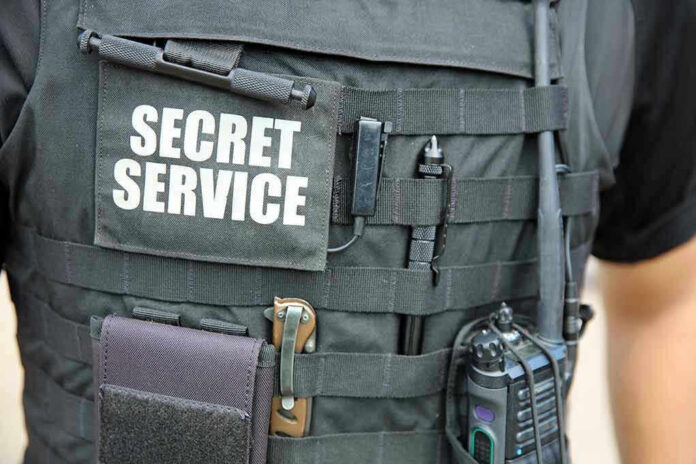
Federal authorities exposed a massive foreign-backed telecom network in New York, revealing grave vulnerabilities that threaten America’s critical infrastructure and national security.
Story Highlights
- Secret Service dismantled a foreign-funded SIM card network capable of crippling New York’s emergency communications.
- Experts warn the bust signals systemic cyber vulnerabilities in U.S. urban infrastructure.
- State-backed adversaries, notably China and Russia, exploited telecom networks over years, evading detection.
- The incident has sparked urgent calls for reforms in telecom security and national cyber defense.
Foreign-Backed SIM Network Threatens American Infrastructure
In September 2025, the U.S. Secret Service announced the largest seizure of illicit telecommunications equipment in American history. Over 300 SIM servers and more than 100,000 SIM cards were confiscated from abandoned facilities across the New York Tri-State Area. Investigators linked this covert network to foreign adversaries with the capacity to send up to 30 million texts a minute, posing a direct threat to emergency services and public safety. The timing coincided with the U.N. General Assembly, amplifying the risk to diplomatic and financial operations in the nation’s busiest urban center.
Evolution of Foreign Espionage and Telecom Vulnerabilities
For over a decade, state-backed actors—primarily from China and Russia—have escalated their campaigns from data theft to direct infrastructure sabotage. The Salt Typhoon group, identified as Chinese state-backed hackers, infiltrated major U.S. telecom networks undetected for up to 18 months, exposing metadata of over a million Americans. Subsequent breaches affected major providers like Comcast and Digital Realty, extending the threat to data centers and residential ISPs. These attacks underscore the persistent vulnerability of American telecom systems to covert foreign operations and the urgent need for robust countermeasures.
Key Stakeholders: Agencies Responding to the Wake-Up Call
The investigation was spearheaded by the Secret Service, with support from federal and local law enforcement, telecom providers, and U.S. security agencies such as NSA and CISA. Their primary motivation is safeguarding critical infrastructure and public safety while countering intelligence-gathering and disruption tactics by foreign actors. The power dynamic reveals adversarial nations exploiting regulatory gaps and technical weaknesses, challenging American authorities to adapt and defend against increasingly sophisticated threats. Major telecom providers face increased scrutiny, tasked with maintaining service integrity and protecting customer data from future incursions.
Impacts and Urgent Calls for Reform
Short-term, the dismantling of the network averted mass disruption during the U.N. General Assembly, triggering immediate reviews of telecom security protocols. Long-term, the bust has catalyzed debates over regulatory reforms, supply chain integrity, and national cyber defense strategy. Economic impacts include significant costs for telecom providers to upgrade security, while public concern over privacy and infrastructure vulnerability continues to rise. Politically, the event has intensified scrutiny of foreign interference and reinforced the need to prioritize American sovereignty and constitutional protections against external threats.
Massive telecom bust in major city is ‘wake-up call’ as foreign adversaries threaten US security: experts https://t.co/DxqvzpHO7B #FoxNews
— Mark 🇺🇸🇮🇹🇭🇷 (@anobkram) September 30, 2025
Expert Analysis: Persistent Threats and Systemic Risks
Cybersecurity experts warn that persistent, undetected access by state-backed groups poses a greater risk than isolated ransomware attacks. The intelligence value of telecom metadata is substantial, even without decrypting message content, enabling adversaries to map communications patterns and disrupt critical systems. Analysts stress that regulatory frameworks lag behind the evolving threat landscape, calling for urgent modernization of telecom security standards and increased investment in national cyber defense. The consensus among professionals is clear: incidents like the New York telecom bust are a wake-up call, demanding systemic change to protect American values and infrastructure.
Sources:
Recent Data Breaches: PKWARE Blog
Recent Data Breaches: Bright Defense
Inside the Largest U.S. Telecom Cyber Breach You’ve Probably Never Heard Of: Framework Security
Major Cyber Attacks, Ransomware Attacks, and Data Breaches August 2025: CM Alliance
5 of the Biggest Cyber Attacks of 2025 So Far: Integrity360 Insights
Data Breaches Updated List: Tech.co
Significant Cyber Incidents: CSIS
Major Cyber Attacks, Ransomware Attacks, and Data Breaches of June 2025: CM Alliance