
Potential rabies exposure at a popular national park highlights the challenges of managing wildlife risks and public safety.
Story Snapshot
- Hundreds of tourists potentially exposed to rabies at Grand Teton National Park.
- Health officials urge preventive treatment for those at risk.
- Large-scale exposure involves guests from 38 states and seven countries.
- Park authorities undertake rapid response to manage the situation.
Mass Rabies Exposure at Grand Teton National Park
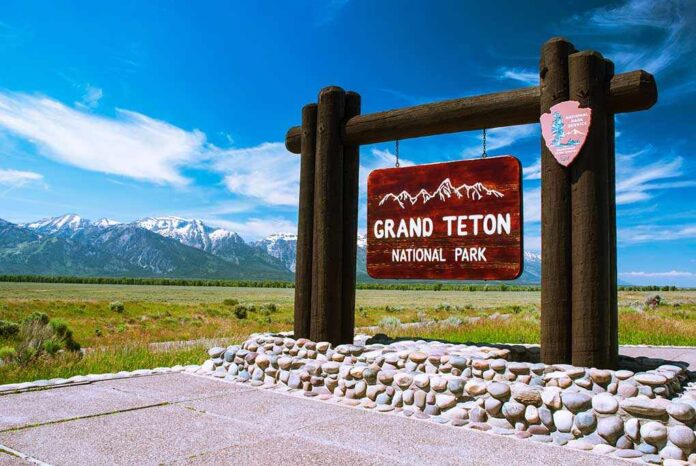
Between May 5 and July 27, 2025, visitors staying at Jackson Lake Lodge in Grand Teton National Park may have been exposed to rabies due to a bat colony found in the attic above eight guest rooms. Health officials in Wyoming are reaching out to these guests, who hail from 38 states and seven countries, to recommend preventive measures, including post-exposure prophylaxis. Officials emphasize the urgency of these actions due to the potential severity of rabies.
The exposure risk was identified after multiple encounters with bats were reported by lodge guests in June and July. On July 27, 2025, the lodge closed the affected rooms and initiated contact with health authorities. The rapid response by health officials and park authorities highlights the importance of managing zoonotic disease threats in popular tourism settings. The coordination involved in notifying potentially affected individuals across multiple states and countries underscores the complexity of the effort.
Health Officials’ Response and Preventive Measures
The Wyoming Department of Health, along with Teton County Public Health, is leading the public health response. Health officials are actively contacting all potentially exposed guests, advising them of the necessity of preventive treatment. Although no bats tested positive for rabies as of August 18, 2025, the risk persists due to the difficulty of detecting bat bites or scratches. The ongoing testing and closure of affected rooms reflect the commitment to ensuring visitor safety.
The Centers for Disease Control and Prevention (CDC) provides guidance on rabies prevention, emphasizing the critical need for post-exposure treatment even in cases where exposure is uncertain. This guidance aims to prevent the onset of the disease, which is almost always fatal once symptoms appear. The comprehensive communication strategy includes coordination with lodge operators and the National Park Service to maintain public trust and manage the situation effectively.
Implications for Tourism and Park Safety Protocols
This mass exposure event serves as a wake-up call for the tourism industry, particularly those operating in natural settings like national parks. The potential economic repercussions include costs associated with medical treatments and revenue loss from closed accommodations. Furthermore, the incident may prompt a reevaluation of wildlife management and guest safety protocols in national parks to prevent future occurrences.
Tourists warned of rabies risk after bats infest cabins at national park https://t.co/K8dlOnbRIU
— George Wells (@admikirk) August 19, 2025
Socially, the event has heightened public awareness of zoonotic risks associated with wildlife encounters. Politically, it has drawn attention to the preparedness of public health systems to handle such large-scale exposure risks. Moving forward, park authorities and health officials are likely to face increased scrutiny regarding their safety measures and response strategies, with a focus on improving preventive actions and communication efforts.
Sources:
Hundreds of Grand Teton National Park visitors may have been exposed to rabies
Grand Teton National Park rabies exposure: cabins guests in Wyoming
Wyoming Health Department tracking down more than 200 after mass rabies exposure
200 Teton Park visitors exposed to rabies
Some Grand Teton National Park visitors may have been exposed to rabies
“`