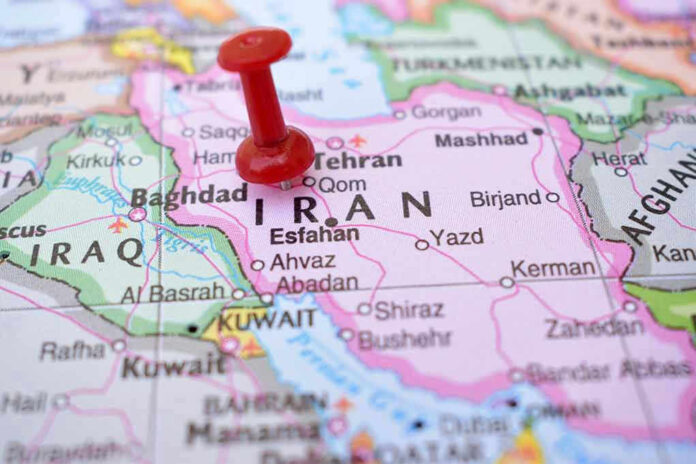
In Iran, the hanging of two men convicted of gang rape has reignited global concerns over the country’s use of capital punishment.
Story Snapshot
- Two men were executed for gang rape in Mahabad Prison, Iran.
- The executions follow public protests demanding justice in 2021.
- Iran’s judicial system faces scrutiny for secretive trials.
- Human rights groups call for a halt to Iran’s execution practices.
Iran’s Increasing Execution Rate
Iran’s legal system is notorious for its harsh application of capital punishment, particularly for sexual crimes. The country’s penal code prescribes death for rape, a measure often carried out through hanging. Reports indicate that Iran ranks second globally in the number of executions, surpassed only by China. In the year leading up to October 2025, there was a significant surge in executions, with a sharp increase of 86% compared to the previous year, totaling 1,537 executions.
Public execution remains a controversial method employed by Iranian authorities, intended as a deterrent. However, reports suggest that these public spectacles fail to reduce crime rates. Instead, they often spark international outrage and highlight the oppressive nature of Iran’s judicial system.
The Mahabad Case
The recent execution of Ali Atin and Reza Seyyedi in Mahabad Prison epitomizes Iran’s approach to justice. These men were convicted of gang-raping several women in Sardasht, a charge that led to their arrest in September 2021. Public protests demanding action against the accused erupted in October 2021, emphasizing the community’s outcry for justice. However, the trial and subsequent execution have drawn criticism for their lack of transparency and fairness.
The executions, carried out on January 6, 2025, reflect the broader pattern of Iran’s judicial practices, where capital punishment is utilized not only as a punitive measure but also as a tool to suppress dissent and maintain control over minority regions.
Human Rights and Judicial Scrutiny
Human rights organizations have consistently condemned Iran’s execution practices, particularly the secretive nature of the trials and the use of public executions. Groups like Amnesty International and the Kurdistan Human Rights Network have documented these practices, calling for international intervention and a reevaluation of Iran’s penal system.
The case of the Mahabad executions highlights a troubling trend where state-sanctioned violence is used with impunity. Despite public pressure and global condemnation, Iran’s judiciary remains steadfast in its approach, often ignoring calls for reform and transparency.
Implications for the Future
The implications of Iran’s execution practices are far-reaching. In the short term, such actions may quell public unrest, as seen in Sardasht, but they also fuel backlash from human rights advocates. Communities bear witness to these traumatic events, which often involve public gatherings, including children, further embedding a culture of fear and repression.
In the long term, these practices erode trust in the judiciary and reinforce a cycle of impunity for state violence. While the Iranian state frames these actions as necessary for justice, the lack of transparency and fairness in trials undermines any claimed legitimacy. The normalization of capital punishment, particularly in minority regions, signals a broader crackdown on dissent and human rights within the country.
Sources:
Kurdistan Human Rights Network