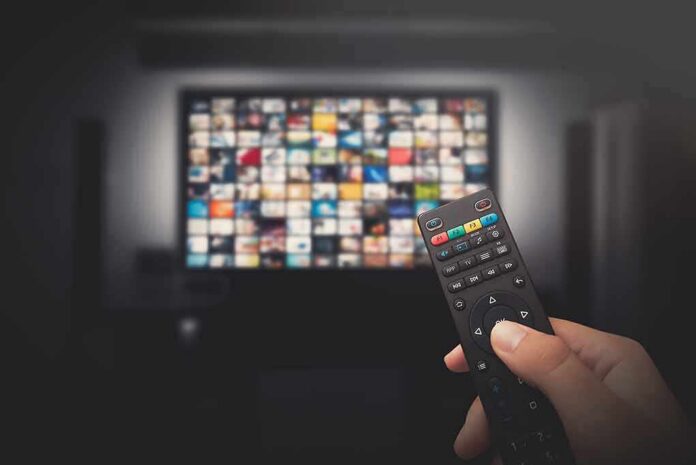
A YouTube investigation says LG smart TVs keep listening through their built-in microphones even after the screen goes dark, and the company says that is simply not true.
Quick Take
- Tech channel Gamers Nexus claims LG smart TVs capture microphone audio while the screen is off and store it locally until internet access returns.
- LG says voice data is only processed when someone presses the remote’s voice button or says the wake word “Hi LG,” and that audio is deleted immediately otherwise.
- The claims land four months after LG settled a Texas lawsuit over separate viewing-data tracking practices tied to its smart TVs.
- Privacy researchers say smart TVs already collect huge amounts of viewing data by default, so trust in the industry was thin before this dispute started.
What The Investigation Claims LG TVs Are Doing
Gamers Nexus says its testing found LG televisions gathering microphone audio even when the screen appeared powered down. The report goes further, claiming that when the TV had no Wi-Fi connection, it “kept collecting and stored the data locally, to be sent once the internet access was restored”. That detail is what turned a routine tech story into a viral privacy scare almost overnight.
The investigation reportedly estimates roughly 216 million LG televisions could be affected worldwide, a number that explains why the video spread so fast across YouTube and social media. Researchers also say the sets scan every device connected to a home’s Wi-Fi network, cataloging smart locks, cameras, and other gadgets sitting on the same network as the TV.
LG Pushes Back Hard On The Allegations
LG issued a statement titled “Understanding Privacy on LG Smart TVs” flatly rejecting the core claim. The company says speech-to-text processing “only” starts when a user presses and holds the remote’s voice button or says a wake word after turning on Far-Field voice recognition. Outside those moments, LG insists, “the TVs do not collect or record ambient conversations”.
LG also addressed the offline-storage claim directly, telling reporters that wake-word audio is processed locally on the device and is “immediately deleted” if the wake word isn’t recognized. The company says speech-recognition results are not saved and uploaded later once internet access comes back, directly contradicting the investigation’s central technical claim about standby data storage.
A Regulator Already Had Concerns About LG’s Data Practices
This fight didn’t come out of nowhere. Texas Attorney General Ken Paxton sued LG in December 2025 over a related but separate issue: automatic content recognition technology that tracks what people watch. LG settled in May 2026, agreeing to get “affirmative express consent” before collecting viewing data and to post clear disclosures on its TVs and website.
Critics say that settlement left a loophole. One report found LG’s opt-out toggle for tracking still ships turned off by default, meaning most owners never see it unless they dig through menus themselves. That detail matters because it shows a pattern of quietly favorable defaults, even after a legal settlement was supposed to fix the problem.
Why Smart TVs Have Earned This Level Of Suspicion
Automatic content recognition, the technology at the center of the Texas case, is built into most smart TVs sold today. It identifies what’s playing on screen and builds a profile of viewing habits that gets sold to advertisers. Academic researchers have found this tracking keeps working even when a TV is only being used as a dumb monitor for a streaming box or game console, which surprises most owners.
Not surprising, but still wild.
Researchers demonstrated a compromised LG Smart TV could listen even when it looked OFF.
It can also identify devices on your network and track what you watch via ACR.
Here’s how to stop your TV from spying on you. https://t.co/TjsYsnwPhE
— Crypto_Marina | λ | (@Crypto_marina) September 18, 2026
None of this proves the specific microphone claim from Gamers Nexus. But it explains why so many viewers immediately believed the worst. Smart TV makers have a financial incentive to collect more data, and consumers have been burned by opaque settings before. Common sense says demand proof either way, and don’t take a corporate press release at face value just because it sounds reassuring.
What Owners Can Actually Do Right Now
Whatever the truth turns out to be, owners don’t have to wait for a court to decide. Menus on most LG sets let users disable Far-Field voice recognition and microphone access entirely. Unplugging the TV’s Wi-Fi adapter or router connection also blocks any data, ambient or otherwise, from leaving the house. For a device sitting in the middle of the living room, that kind of caution costs nothing and buys real peace of mind.
Sources:
dataconomy.com, startupfortune.com, gadgetreview.com, mashable.com, free-codecs.com, theregister.com
© theredwire.com 2026. All rights reserved.