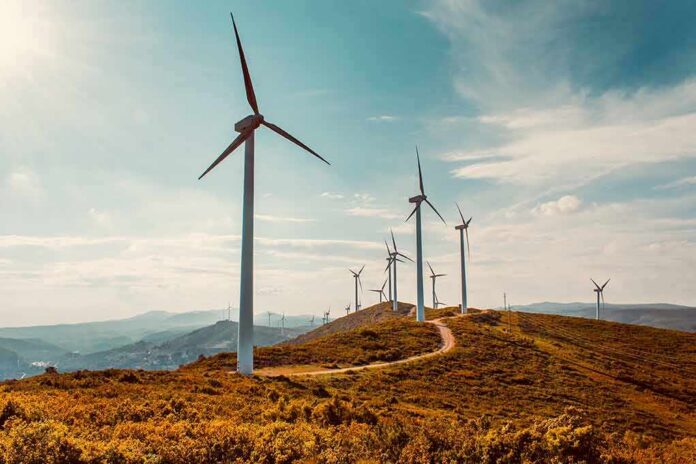
Washington will reimburse RWE $1.22 billion to cancel three offshore wind leases, redirecting investment toward steadier American energy projects.
Story Snapshot
- Interior struck a $1.22 billion lease-cancel deal with RWE, mirroring earlier wind exits.
- Officials say offshore wind is costly and unreliable; developers will pivot funds to other energy.
- Refunds match prior lease payments, framing the moves as reversals, not windfalls.
- Seven states and critics question legal footing and use of federal money for buyouts.
What Changed: Interior’s RWE Refund and the Policy Rationale
The Department of the Interior said RWE will surrender three offshore wind leases in exchange for about what it paid under the prior administration, effectively unwinding the deals and closing projects that lacked a path under current federal permitting policy. The administration argues offshore wind is expensive and unreliable for ratepayers and the grid, so canceling early avoids larger losses later. Officials also say taxpayers will not keep funding ideological subsidies for offshore projects that do not deliver stable power.
RWE’s exit follows a steady pattern this year. TotalEnergies accepted a roughly $1 billion refund to drop two leases and said it would invest the money in American liquefied natural gas and oil and gas work. In June, Invenergy agreed to give up four leases for $765 million and to redeploy capital into natural gas and geothermal projects. These settlements aim to redirect money from high-cost offshore wind toward energy sources that can back up the grid and keep costs in check, according to officials.
How the Refunds Work: “Undoing” Prior Leases
News reports describe the payments as reimbursements that mirror the original lease fees, not open-ended payouts. The New York Times reported the RWE deal would repay roughly what the firm paid, which the administration frames as returning funds for projects that will not proceed under today’s rules. Reuters reported the same approach for Invenergy, signaling a consistent structure across settlements. That design lets the government close out stranded leases without paying premiums while companies move capital to other energy uses.
The Interior Department also halted federal permitting for new offshore wind, which made forward progress unlikely for early-stage projects, according to reporting on RWE’s leases. By settling now, both sides limit future sunk costs in planning, surveys, and grid interconnection. Developers chose to accept the terms and publicly outlined next steps. TotalEnergies linked its refund to a Texas liquefied natural gas plant, and Invenergy cited natural gas plants and geothermal as targets for investment, which align with firm power needs.
The Legal and Political Pushback
Critics object to using the Treasury’s Judgment Fund style payouts without clear, live lawsuits in some cases. One analysis said the government moved money despite no ongoing litigation with TotalEnergies, raising process concerns about legal authority and oversight. A coalition of seven states has launched challenges to the buybacks, which could test the strategy in court and slow timelines with discovery and injunction fights that probe the basis for the agreements. Those cases add risk to the policy plan.
🚨 US PAYS $1.2B TO HALT WIND PROJECTS! 🇺🇸💨
The Trump admin just agreed to pay German firm RWE $1.2 billion to cancel ongoing U.S. offshore wind projects.
This massive payout continues a major policy shift away from wind power! 🛑⚡️ pic.twitter.com/WTY2PbaBkh
— Global Insight (@GlobalInsight20) August 7, 2026
Skeptics also argue the administration’s broad claims about wind cost and reliability need project-by-project proof and a public cost-benefit analysis comparing offshore wind against gas or geothermal. The reporting so far does not include a detailed, public study that weighs grid impacts, prices, and emissions over time for each lease area. The administration’s case rests on macro points many families feel at the meter: high bills, fragile grids, and the need for power that is available on demand, not only when the wind blows.
Why It Matters for Bills, Jobs, and Reliability
Energy that works when needed keeps factories open and homes safe in heat waves and storms. Officials say refunds now prevent bigger costs from projects that face long odds and heavy subsidies, while channeling money into reliable baseload and firming resources. Invenergy and TotalEnergies pointed to natural gas and geothermal, which can help balance the grid and support domestic jobs tied to pipelines, plants, and drilling, while longer-term nuclear and storage buildouts advance in parallel.
The buyouts also show how much executive policy can reshape markets without building a single turbine or plant. Leasing, permits, and settlements steer billions. The RWE deal marked at least the fourth major cancellation agreement in 2026, after TotalEnergies in March and Invenergy in June, with similar terms reported for other developers. Supporters call this common sense course correction after years of green mandates. Opponents see government overreach. Courts and fresh agency analyses could decide which view stands.
What to Watch Next
Watch for the release of final settlement texts and legal memos that explain why refunds were lawful without active cases, if that is confirmed. Look for any federal cost analysis that compares offshore wind with firm resources on prices, reliability, and emissions. Track how developers redeploy refunded dollars and how quickly gas or geothermal projects move. Follow the state challenges and any Senate probes that test whether the public got value by ending leases at cost instead of paying more later.
Sources:
latimes.com, npr.org, apnews.com, bloomberg.com, reuters.com
© theredwire.com 2026. All rights reserved.