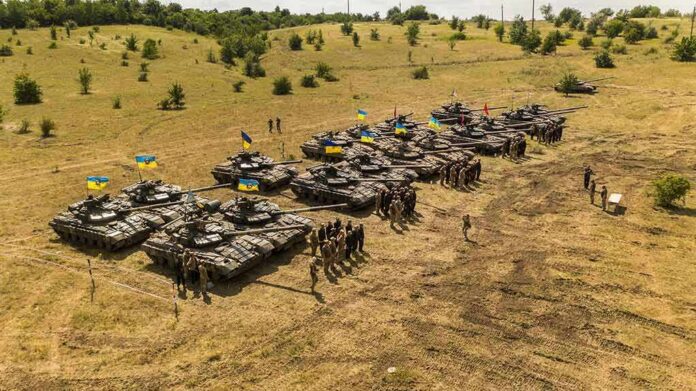
America is urging NATO to harden defenses now, warning that Vladimir Putin could test the alliance when it suits him.
Story Highlights
- NATO’s own strategy names Russia the most significant and direct threat to Allied security.
- U.S. Ambassador to NATO Matt Whitaker told allies to be ready if Putin probes NATO.
- NATO leaders pledged major investments and readiness at the 2026 Ankara Summit.
- Experts warn Russia may strike in the gray zone with sabotage and pressure, not just tanks.
What Washington Told NATO Allies This Week
United States Ambassador to the North Atlantic Treaty Organization (NATO) Matt Whitaker said allies must prepare in case Russia’s Vladimir Putin attacks or probes NATO territory. He pointed to readiness, training, and stockpiles as the core tasks. He stressed that the United States stands by every inch of allied soil, but said Europe must spend and move faster to deter aggression. His call lines up with his earlier push for higher defense spending and urgency on hybrid threats.
President Trump, in a separate interview, said he is not worried that Russia will attack NATO territory. He projected confidence that deterrence is working. His stance fits a peace through strength posture. It counts on strong defenses and unity to prevent war, while avoiding panic that could hand Putin leverage. That approach still depends on allies meeting pledges on ammunition, air defenses, and forces ready to move within days.
What NATO’s Plans Already Say About Russia
NATO’s 2022 Strategic Concept states that Russia is the most significant and direct threat to Allied security. That document guides plans, exercises, and spending. It says the alliance must deter aggression and be ready to defend every ally. It also highlights resilience against cyberattacks, sabotage, and disinformation. Those lines reflect lessons from Ukraine and years of pressure on energy, cables, and borders. The policy is not new alarmism. It is a written commitment to preparedness.
NATO leaders doubled down at the 2026 Ankara Summit. They pledged tens of billions in military equipment, training, and assistance tied to readiness goals. They reaffirmed an ironclad commitment to collective defense and to fielding forces able to respond fast. The declaration links stronger deterrence to real capabilities, not slogans. It stresses integrated air and missile defense, stockpiles, and logistics that can survive strikes and disruptions across Europe’s roads, rails, and ports.
How Putin Could Test the Alliance Without Invading
Analysts warn that Russia is more likely to push in the gray zone. That means sabotage of critical infrastructure, cyberattacks, covert operatives, and pressure at borders to sow chaos. This playbook targets unity while staying below the line that triggers a full military response. Research flags these tactics as the near-term risk on NATO’s eastern flank. It urges Europe to disrupt networks, improve attribution, and keep rapid response forces ready to move.
Congressional and military studies echo this view. They describe hybrid warfare as a blend of hacks, propaganda, covert action, and limited strikes. They advise hardening energy systems, air bases, command links, and munitions stockpiles. They also back regular exercises that prove units can deploy, shoot, and sustain under pressure. Deterrence works best when it is visible, rehearsed, and backed by ammo on the shelf and fuel in the tanks.
Balancing Resolve With Restraint
Some assessments say a direct Russian attack on NATO is not likely soon. Estonia’s intelligence and other analysts point to ambiguous actions as the more probable path. That view does not erase the threat. It refines it. It says prepare for covert fires, drones, cut fiber lines, and stirred-up unrest. That is exactly where stockpiles, base security, and law enforcement links matter most. Readiness deters both open invasion and shadow war mischief.
🚨❄️ NATO MOVES MISSILE FORCES INTO THE HIGH NORTH 🚨
American, British and Norwegian forces are conducting Operation Atlantic City 26 across Norway’s strategically vital Arctic region.
🎯 U.S. forces reportedly staged long-range missile equipment near Trondheim.
🚀 On remote… pic.twitter.com/AXZKCQBJfN
— Gunnys Adventures (@DerrickSalas9) September 2, 2026
For American readers, this is why spending and focus now beat panic later. Strong borders, strong energy, strong industry, and strong families all add resilience. Waste, woke distractions, and red tape only help our enemies. The Trump administration is pressing allies to carry their load. That protects U.S. troops, stretches our dollars, and keeps the peace. The message to Moscow is simple: we do not want a fight, but we will not blink.
Sources:
feedpress.me, belfercenter.org, atlanticcouncil.org, nato.int, usatoday.com, foreign.senate.gov, en.wikipedia.org, russiamatters.org, newsweek.com, edition.cnn.com, abcnews.com, cna.org
© theredwire.com 2026. All rights reserved.