

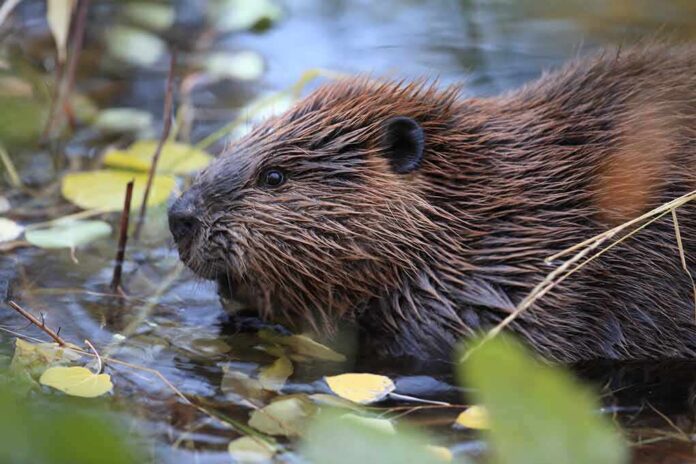
When a beaver attacks a swimmer in broad daylight and later tests positive for rabies, the story isn’t about an exotic rogue animal; it’s a textbook collision of wildlife behavior, spillover infection, and public health protocol that explains why Maryland shut down a popular lake and mobilized two agencies in hours.
The Short Version
- A 13-year-old was bitten while swimming at Cunningham Falls State Park; the captured beaver tested positive for rabies, triggering immediate closures and treatment.
- Within two weeks, a second beaver at the same lake and a third at a nearby park also tested positive or were implicated, indicating localized spillover rather than ordinary beaver behavior.
- Beaver attacks are exceptionally rare and, when they occur, are frequently tied to rabies spillover from reservoir species such as raccoons.
- Rabies protocols—not the species involved—drive the response: rapid wound care, post-exposure prophylaxis, animal testing, and temporary area closures to break exposure chains.
What Happened: A Rare Attack, A Routine Public Health Playbook
On July 26, a 13-year-old boy swimming in the designated bathing area at Cunningham Falls State Park was bitten by a beaver that latched onto his chest and inflicted additional injuries to his hand as he fought it off. He was airlifted to Johns Hopkins Hospital for trauma care and rabies prophylaxis. Frederick County Animal Control captured the beaver, which was euthanized and laboratory-confirmed to have rabies; state officials then closed the lake for water access while they searched for other infected animals and assessed risk.
In the following days, a 19-year-old fisherman reported a bite at the same lake; that second beaver was also captured and tested positive for rabies, prompting expanded closures around Hunting Creek Lake, a dismantled lodge, and targeted trapping to ensure additional infected animals weren’t present. A separate incident at Seneca Creek State Park the next week—another beaver attack involving a child—reinforced what wildlife biologists emphasized from the start: this was not a sudden change in beaver temperament but a cluster consistent with rabies spillover in local mesocarnivores that occasionally reaches species like beavers.
How This Works: Rabies Spillover, Abnormal Behavior, and Risk
Beavers are herbivorous, largely crepuscular rodents with strong territorial instincts around lodges and kits; even so, they do not customarily initiate underwater attacks on swimmers. When they do, medical literature and field incident logs usually converge on a single explanation: rabies. Beavers are not maintenance hosts of the virus in North America; they acquire it from reservoir species—raccoons in the mid-Atlantic, foxes, or skunks—and, once infected, often exhibit neurologic signs: unprovoked aggression, disorientation, or unusual daytime activity near people. A recent clinical case review identified only 40 confirmed rabid beavers reported nationwide from 2002–2021, underscoring the rarity of the phenomenon and its linkage to rabies rather than ordinary behavior.
That mechanistic frame matches Maryland’s experience. State and county health authorities tied the Cunningham Falls beavers to rabies, with one case specifically characterized as raccoon-type rabies—exactly the variant regional surveillance expects to see when spillover occurs. The operational consequence is straightforward: treat every suspicious bite as rabies-exposed until proven otherwise; remove and test the animal when possible; and temporarily close high-contact areas to eliminate additional exposures during the investigation window.
Clinical Response: Why Speed and Local Testing Matter
Rabies remains almost universally fatal once neurological symptoms appear; the way to win is to act before the virus reaches the central nervous system. Modern protocols prioritize meticulous wound irrigation (which mechanically reduces viral load), human rabies immune globulin infiltrated around each wound, and a vaccine series over two weeks. In Maryland, that sequence unfolded quickly for the injured swimmer after airlift, complemented by surgical care for significant soft-tissue and nerve injuries typical of a powerful rodent bite. The beaver’s rapid capture and testing created diagnostic clarity that justified both the prophylaxis and the park closures—conservatively preventing additional human exposures while the area was surveyed and trapped.
From a systems standpoint, this is why local capacity matters. When animal control, health departments, and park services coordinate, they compress the critical timeline: bite to medical care, animal to lab confirmation, and site to targeted closures. That speed—not sensationalism—explains the swift prohibition on swimming, fishing, and boating around Hunting Creek Lake after the first and second incidents.
Why Two (and Then Three) Attacks Doesn’t Mean a New Normal
Clusters invite over-interpretation. Two rabid beavers at one lake and a third attack regionally within weeks looks alarming; ecologically, it is more consistent with a localized uptick in a reservoir variant moving through wildlife than a structural change in beaver ecology. State officials explicitly framed the Cunningham Falls closures around a suspected, time-bound rabies issue in the local beaver population, expanding and then easing restrictions based on findings from trapping, thermal surveys, and negative detections rather than any assumption that beavers had turned broadly aggressive.
The medical literature supports the caution but not panic: beaver attacks on people are extremely rare events, and even rarer are confirmed rabies-positive beavers relative to the thousands of annual rabies cases in raccoons and bats. The right public stance, then, mirrors Maryland’s: elevate awareness, enforce short-term closures where exposure risk is real, and return to normal use as surveillance indicates the chain of transmission has burned out or been removed.
A Maryland teen is recovering after a rabid beaver attacked him while he was swimming at Cunningham Falls State Park in Frederick County.
Dominick Cebula was 13 at the time of the July 26 attack. The beaver reportedly latched onto his chest, then bit his hand as he fought it… https://t.co/jLvFGdfWbj
— MDBayNews (@MDBayNews) September 16, 2026
Practical Guidance for Water Recreation in Beaver Country
For families and anglers, the risk calculus is simple. Maintain distance from wildlife on shorelines and in water; err on the side of leaving if an animal approaches you, appears disoriented, swims in circles, or displays unusual aggression; and report abnormal behavior to park staff immediately. If bitten or scratched by any wild animal, irrigate wounds thoroughly and seek medical care at once—especially if the animal cannot be captured and tested. In jurisdictions like Maryland, those steps activate a well-rehearsed, evidence-based cascade that reliably prevents the only outcome that truly cannot be fixed after the fact: clinical rabies.
Sources:
independent.co.uk, the-sun.com, newser.com, wusa9.com, yahoo.com, the-express.com, news.maryland.gov, thedailybeast.com, dailymail.com, thecooldown.com, abcnews.com, aol.com
© theredwire.com 2026. All rights reserved.