

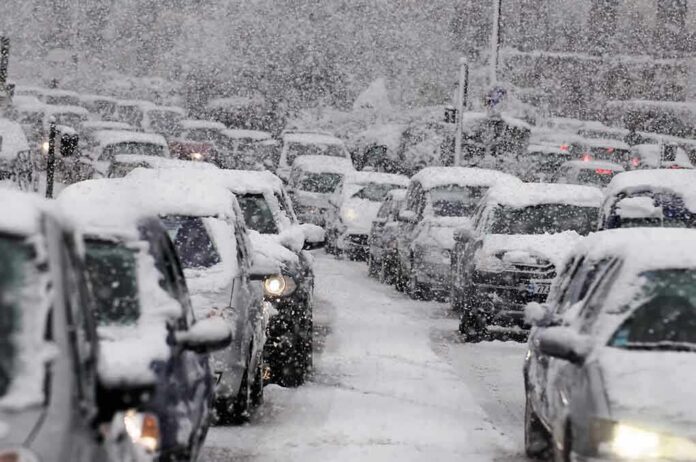
Ukraine’s capital city faces catastrophic infrastructure collapse as Russian attacks leave 3.6 million residents with only half the electricity needed to survive brutal winter conditions.
Story Snapshot
- Kyiv has only 850 megawatts available versus 1,700 megawatts needed for basic services
- Residents endure up to 20 hours daily without power during sub-zero temperatures
- Mayor Klitschko urges voluntary evacuations amid worst energy crisis in four years of war
- Nearly 6,000 apartment buildings lost heating after Russian drone and missile strikes
Unprecedented Energy Crisis Grips Ukrainian Capital
Kyiv Mayor Vitali Klitschko delivered stark warnings January 16, 2026, revealing the capital operates with approximately 850 megawatts of electricity against a baseline requirement of 1,700 megawatts. The former heavyweight champion turned political leader described this as the first time in the city’s history that such severe power shortages coincided with extreme winter weather. Temperatures plummeted to -17°C overnight, amplifying energy demands precisely when Russian attacks crippled the grid’s capacity to respond.
UKRAINE WINTER DESPAIR: Kiev Only Has Half the Electricity It Needs to Function, According to Mayor Klitschko https://t.co/8hcu61EHdT #gatewaypundit via @gatewaypundit
— ⭐Eagle One⭐ (@EagleInTheCloud) January 18, 2026
The crisis stems from escalating Russian strikes targeting Ukraine’s energy infrastructure throughout early January 2026. Mass attacks on January 9 devastated power generation and distribution systems, followed by additional drone strikes on January 13-14 that left 70 percent of the city without electricity. Air defense systems successfully intercepted all ten drones targeting Kyiv on January 14, but cumulative damage from previous strikes continues wreaking havoc on essential services.
Humanitarian Emergency Unfolds Across the Capital
Nearly 6,000 apartment buildings lost heating capacity following the Russian strikes, with approximately 100 buildings still lacking heat restoration as of January 16. Residents face rolling blackouts lasting up to 20 hours daily, forcing families to huddle in freezing apartments without basic utilities. The combination of sub-zero temperatures and prolonged power outages creates life-threatening conditions for vulnerable populations, particularly elderly residents and young children who cannot regulate body temperature effectively in such extreme conditions.
Klitschko acknowledged the unprecedented nature of the crisis, stating this represents the worst energy emergency in nearly four years of conflict. International partners provide generators and repair equipment, but restoration efforts face significant obstacles from weather conditions that complicate outdoor electrical work. Repair teams struggle to restore damaged infrastructure while temperatures remain well below freezing, slowing progress when residents need power most desperately for heating and basic survival.
Strategic Russian Campaign Targets Civilian Morale
Ukrenergo CEO Vitaliy Zaichenko revealed Russia’s systematic campaign aims to force mass evacuations from Kyiv by making the city uninhabitable during winter months. Deputy Energy Minister Mykola Kolisnyk warned that Russian forces appeared to be “going all in” with attacks designed to destroy Ukraine’s power generation capacity entirely. Energy experts from the DiXi Group confirmed this winter’s attacks surpass previous campaigns in severity and effectiveness, overwhelming Ukraine’s ability to conduct rapid repairs.
The attacks represent retaliation for Ukrainian strikes on Russian energy infrastructure, escalating a destructive cycle that primarily harms civilian populations. Russia justifies targeting power plants and electrical substations as military objectives, claiming these facilities support drone production and military operations. However, the widespread blackouts affecting residential areas demonstrate the indiscriminate nature of infrastructure warfare that violates international humanitarian law governing conflict conduct.
Sources:
Kyiv has only half of the electricity it needs, mayor says
Russian attacks damage energy infrastructure; Kiev mayor urges residents to leave city
Explosions in Kyiv energy infrastructure air defense