After 43 agonizing years, California detectives finally unmasked the killers of innocent mother Dorothy “Toby” Tate, proving American law enforcement’s unyielding pursuit of justice triumphs over time.
Story Highlights
- San Luis Obispo County Sheriff’s Office solved the 1983 cold case murder using cutting-edge DNA genealogy technology.
- Two Texas suspects, Steven Richard Hardy and Charley Sneed, identified as perpetrators; both now deceased.
- Detective Clint Cole’s persistence delivered closure to Tate’s family after decades of frustration.
- Case closed as “exceptionally cleared” with District Attorney confirming probable cause for prosecution.
- Highlights vital role of forensic innovation in upholding law and order without relying on bloated government programs.
The Chilling Crime Scene of 1983
On November 15, 1983, deputies found 41-year-old Dorothy “Toby” Tate shot in the head inside her van parked along Highway 1, three miles north of Hearst Castle near San Simeon, California. Tate, from Estes Park, Colorado, had traveled to the remote tourist spot. Investigators collected blood samples and fingerprints from a Coca-Cola can at the scene. A stolen camera from her van surfaced in a Bakersfield pawn shop two years later, but leads went cold amid transient perpetrators.
Decades of Dead Ends and Renewed Determination
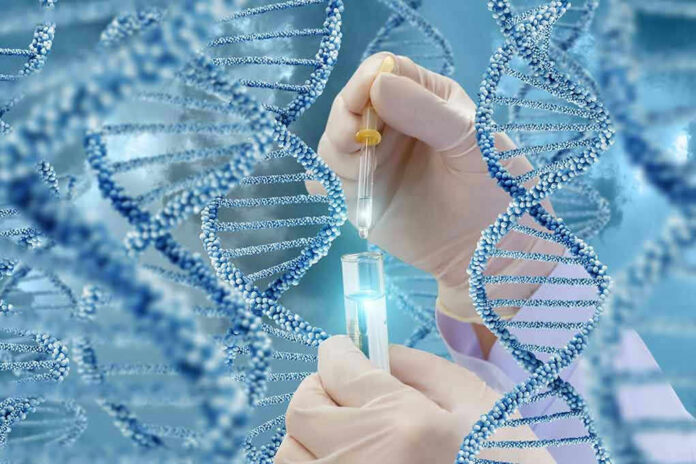
The case stalled for 40 years as traditional DNA from the male profile failed to match CODIS or other databases. No viable suspects emerged despite exhaustive efforts. In 2023, the San Luis Obispo County Sheriff’s Office reopened the investigation, partnering with Texas-based Othram Labs for Forensic-Grade Genome Sequencing. This advanced method built a full DNA profile from degraded 1983 evidence, enabling forensic genetic genealogy to trace family trees and generate leads. Traditional policing met modern science head-on.
Breakthrough Identifications and Heroic Detective Work
Detective Clint Cole, renowned for cracking the Kristin Smart and Nancy Woodrum murders, led the charge. Parabon Nanolabs and genealogist CeCe Moore pinpointed Steven Richard Hardy through DNA matching crime scene blood. Fingerprints linked Charley Sneed to the Coca-Cola can. Both Texas residents at the time, the suspects likely targeted Tate in a burglary gone deadly. Sheriff Ian Parkinson praised Cole’s commitment, stating modern forensics empowered relentless justice for victims’ families.
Priscilla Tate, the victim’s youngest sister, shared heartfelt relief: “It’s enabled me to put a period at the end of the sentence and we can lay Toby to rest.”
Official Closure and Lasting Legacy
In January 2026, the Sheriff’s Office announced the resolution. The District Attorney’s Office reviewed evidence and confirmed probable cause for prosecution, had the suspects lived. No additional perpetrators indicated. Declared “exceptionally cleared,” the case sets a precedent for cold case units nationwide. It validates private-sector forensic labs like Othram and Parabon, reducing reliance on inefficient federal systems while delivering real results for American families seeking truth.
This triumph underscores why dedicated local law enforcement, bolstered by innovative technology, outperforms bureaucratic overreach. Families like the Tates endure without endless trials, affirming core conservative principles of accountability and closure. The resolution inspires continued investment in tools that honor the innocent without eroding taxpayer dollars on failed policies.
Sources:
1983 Cold Case Murder Near Hearst Castle is Now Solved Due to DNA Analysis
After 42 Years, Dorothy Tate’s Murder is Now Solved
California Detectives Solve 43-Year-Old Murder of Dorothy ‘Toby’ Tate
Decades-old cold case in San Luis Obispo County now solved
San Luis Obispo County Sheriff’s Office solves cold case murder after more than 40 years
Family gets closure 40 years after SLO County murder
Sheriff’s Office Solves 1983 Murder of Dorothy ‘Toby’ Tate