Democrats are gearing up to spend a staggering $110.5 million, spotlighting a $10 million initiative to recruit and train content creators for the 2026 midterms.
Story Highlights
- Democrats plan a $110.5 million fundraising campaign, with $10 million dedicated to a social media strategy.
- A four-week boot camp will train hundreds of content creators to influence political narratives.
- The initiative aims to counter Republican dominance on social media ahead of the 2026 midterms.
- The strategy includes recruiting both political and non-political influencers.
Democrats’ Digital Ambitions Unveiled
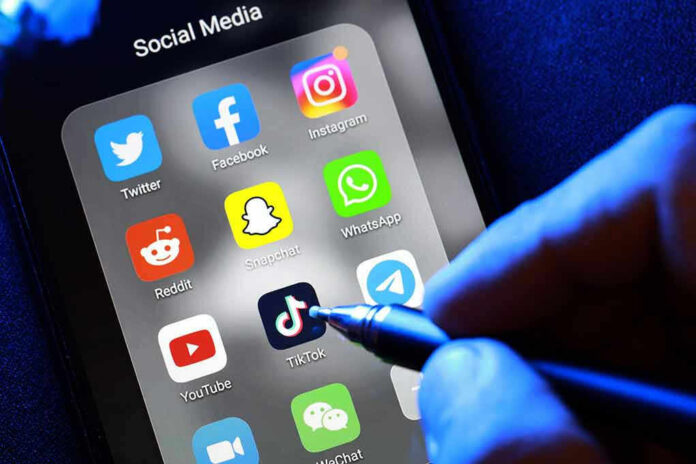
The Democratic Congressional Campaign Committee (DCCC) is spearheading a $110.5 million fundraising campaign, marking a significant push to enhance their digital presence. According to internal documents obtained by Breitbart, Democrats plan to allocate $10 million of these funds to build a “social media army” of content creators. This move is set to counter what they perceive as Republican superiority in online grassroots engagement, with the 2026 midterms as their primary focus.
It's comical that Democrats are pouring tens of millions from their donors into a social media operation that gets thoroughly crushed by our lean, high-impact team running @TeamTrump and @TrumpWarRoom.
They boast about reaching 215 million people across ALL major platforms in Q1… pic.twitter.com/LXZwLuDkud
— Alex Bruesewitz 🇺🇸 (@alexbruesewitz) August 4, 2025
The initiative includes a four-week boot camp intended to train hundreds of content creators. This strategic move aims to shape political narratives and increase Democratic messaging across various platforms. The plan is an escalation from typical digital ad spending, highlighting the importance Democrats place on closing the digital gap with their Republican counterparts.
A Response to Republican Digital Dominance
Social media has become an essential battleground for political parties in the United States. The 2024 elections underscored the power of digital influence, with Republicans seen as having a more robust online presence. Democrats’ new initiative is a direct response to this, aiming to arm themselves with a digital strategy that can match or surpass Republican efforts. This strategy is part of a broader trend of escalating digital spending and professionalization within political campaigns.
The DCCC’s plan involves not just political influencers but also non-political ones, broadening the reach to tens of millions of Americans. This reflects an understanding that diverse voices can be effective tools in shaping public opinion and mobilizing voters. It’s an ambitious effort that, if successful, could set a new standard in political campaigning.
Key Players and Motivations
The DCCC, in collaboration with the ZINC Collective, is at the helm of this initiative. The ZINC Collective, a pro-Democrat super PAC, brings strategic expertise to the table, with key advisers like Robby Mook and Mike Smith contributing to the program’s direction. The content creators, once recruited and trained, will serve as the messengers of Democratic narratives, leveraging their platforms to engage with a wide audience.
This approach underscores a shift in how political campaigns are conducted, moving towards influencer marketing as a core strategy. With the digital landscape continuously evolving, this initiative represents an attempt to stay ahead in the political arms race, pushing the boundaries of traditional campaigning.
Potential Impacts and Concerns
In the short term, this initiative could significantly boost Democratic engagement on social media, narrowing the gap with Republicans. Long-term, it may set a precedent for large-scale, party-coordinated influencer mobilization in U.S. politics. However, it also raises questions about transparency and authenticity in political messaging. Critics argue that such coordinated efforts blur the lines between genuine and sponsored content, potentially manipulating narratives.
The influx of funding into digital marketing and influencer spaces could also impact these industries economically, driving growth and innovation. Politically, it intensifies the competition in online persuasion, prompting similar responses from Republicans. As campaigns increasingly allocate resources to digital strategies, the role of traditional campaigning methods may diminish, reshaping the political landscape.
Sources:
https://www.instagram.com/reel/DM8VYoJvrci/