
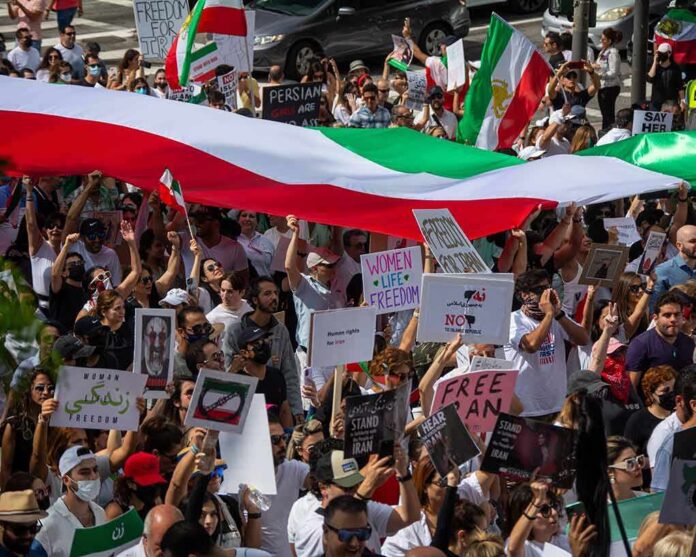
Iran’s rulers executed more protest-linked prisoners after rushed trials, drawing fresh UN and rights-group warnings about torture-tainted “confessions” and due-process abuses.
Story Highlights
- Iran executed protest-linked defendants after Revolutionary Court trials that rights groups call grossly unfair.
- United Nations investigators reported torture, forced confessions, and denial of lawyers of choice in these cases.
- Iran’s judiciary claims crimes included arson, killings of security forces, and “waging war against God” under national-security laws.
- Human Rights Watch documented a broader execution campaign tied to protests and vague security charges.
What Iran Says It Proved Against Protesters
Iran’s judiciary described specific alleged acts during the January 8, 2026 unrest in Isfahan, including blocking streets, arson, property damage, and roles in the deaths of four security personnel. Courts charged several defendants under national-security laws, including “waging war against God,” “corruption on earth,” espionage, and armed rebellion. Officials said these cases tied to an alleged coup attempt and threats to public order. Authorities said charges and convictions followed Iranian law and court procedures.
Judicial announcements stated that appeals were completed in at least some cases. In two executions, officials said the Supreme Court upheld death sentences before hangings were carried out. State media labeled the men “field operatives” linked to the deaths of security forces. These statements presented the punishments as lawful and justified by violence during protests. The government, however, did not publish full case files, limiting outside review of specific evidence and individualized findings.
What Investigators and Rights Groups Documented
United Nations investigators reported arbitrary detention, torture and ill-treatment, enforced disappearance, and systematic due-process violations in protest cases. The mission cited hasty and flawed proceedings that relied on forced confessions and blocked access to a lawyer of the defendant’s choosing. These findings match repeated warnings from major rights groups, which said courts used vague national-security charges to rush people to the gallows and create fear among the public.
Amnesty International said several recent protest-related executions followed grossly unfair trials after state television aired forced “confessions” before hearings even began. The group reported denial of lawyers during interrogations and failure to investigate torture claims. Human Rights Watch reported dozens of politically linked executions on vague charges after coercive proceedings, describing a campaign to deter dissent through public punishment. These accounts challenge Iran’s narrative of routine criminal justice.
Gaps, Evidence Questions, and Why It Matters
Key records remain sealed from public view. Reports on the executions of Ali Hemmati and Majid Nikandish note that authorities have not released court documents, forensic proof, or full judgments. Without case files, independent experts cannot verify whether each person caused the harm alleged. This secrecy leaves the state’s claims hard to test and strengthens accusations that authorities are punishing dissent under the cover of national security law rather than proving individual crimes beyond a reasonable doubt.
Iran: Five Protesters Executed on Charges of “Waging War Against God,” “Corruption on Earth” and Killing Security Personnel Amid Allegations of Forced Confessions Under Torture
Amnesty International condemned the Iranian authorities’ execution of five men between September 30… https://t.co/4bc386gpfi
— وصل للأخبار (@waslnew) October 15, 2026
For American readers, this is a reminder of what unchecked power looks like. Free speech, due process, and the right to counsel are pillars that guard every other liberty. When a regime blurs protest with “war against God,” it replaces law with fear. The United States should keep pressure on Tehran, back independent monitors, and defend the rights we cherish at home: fair trials, open evidence, and a justice system that answers to the people, not to rulers. That stance reflects our values and our interests.
Sources:
pjmedia.com, amnesty.org, news.un.org, iranintl.com, media.un.org, hrw.org, ohchr.org
© theredwire.com 2026. All rights reserved.