After three commercial ships were hit in the Strait of Hormuz, the United States unleashed more than 80 strikes on Iran and President Trump bluntly declared the ceasefire “over.”
Story Snapshot
- U.S. Central Command hit over 80 Iranian targets after attacks on three commercial vessels in the Strait of Hormuz.
- President Trump says the ceasefire deal with Iran is “over” and calls Tehran’s actions a “foolish” and “unwarranted” violation.
- Strikes focused on air defenses, radar sites, missile launch points, and more than 60 Revolutionary Guard small boats.
- Iran denies targeting commercial ships, fires back at U.S. sites, and claims Washington is the one breaking the deal.
Trump Ends Ceasefire After New Attacks On Ships
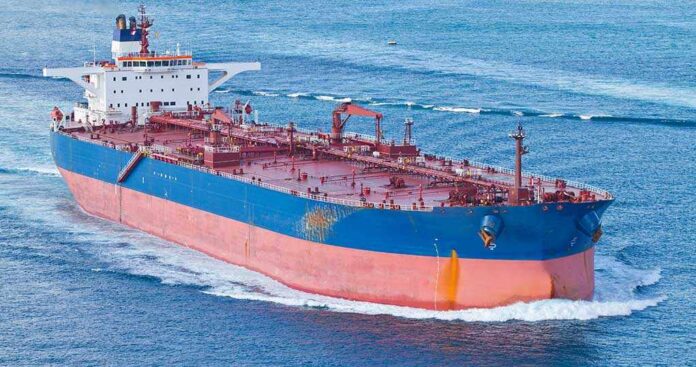
U.S. Central Command said American forces carried out a “series of powerful strikes” after Iran attacked three commercial vessels passing through the Strait of Hormuz. Commanders described Iran’s actions as “unwarranted, dangerous, and a clear violation of the ceasefire,” framing the response as a direct effort to defend civilian shipping and keep one of the world’s key energy routes open. The attacks on tankers included ships tied to Gulf allies, raising alarm about wider regional damage if Iran is allowed to control the strait by force.
President Donald Trump tied the military response directly to the ceasefire deal that Washington and Tehran reached only weeks earlier, saying Iran’s strike on a cargo ship was a “foolish violation” of the agreement. He later told reporters that the ceasefire “is over” and that he does not want to “deal with them anymore,” describing Iran’s leaders as “vicious, violent people” who would use a nuclear weapon if they had one. Trump stressed that U.S. actions are retaliatory, not a fresh war, saying Iran “targeted a few vessels, and as a response, we retaliated much more forcefully.”
Inside The U.S. Strikes: Targets And Strategy
Central Command confirmed that U.S. forces struck air-defense systems, coastal radar sites, missile and drone storage locations, and launch areas along the Strait of Hormuz and on Qeshm Island. Officials said the goal was to “impose heavy costs” on Iran for targeting commercial shipping and to limit its ability to threaten future traffic. At least 80 locations were hit, including more than 60 fast small boats used by the Islamic Revolutionary Guard Corps to harass and attack ships near Iran’s coast. This level of action marks one of the largest single waves of U.S. strikes against Iran’s maritime network since the conflict began.
The Trump administration backed the military moves with economic pressure, revoking a special waiver that had let Iran sell oil and petrochemicals in U.S. dollars as part of the interim ceasefire deal. A license that briefly opened a narrow path for legal Iranian oil sales was pulled back, with U.S. officials calling Iran’s attacks on commercial shipping “wholly unacceptable.” Oil prices jumped after Trump’s comments about the ceasefire ending, showing how quickly global markets react when Iran uses the Strait of Hormuz as a weapon and the United States pushes back.
Iran’s Denial, Escalation, And The Ceasefire Dispute
Iran’s leaders deny they are behind deliberate attacks on civilian ships, even as they admit striking U.S.-linked military targets across the region. Iranian statements claim their forces hit American positions in places like Bahrain and Kuwait in response to U.S. aggression, arguing that Washington is the side breaking the ceasefire. Tehran insists it has the right to control shipping through the Strait of Hormuz and to punish vessels it says violate its rules, portraying the conflict as a fight over sovereignty and transit fees rather than simple attacks on innocent traffic.
Iran has not provided public evidence such as radar tracks, video, or debris analysis to back its denial that it targeted commercial ships, while the United States also relies mainly on intelligence claims without independent international verification. Both sides accuse the other of violating the recent memorandum that was supposed to end fighting and reopen the strait, but the full text of that 14-page deal is still not widely available. That leaves everyday Americans and allied nations watching a dangerous pattern repeat: Iran uses threats to shipping to gain leverage, and the U.S. answers with force to keep the lanes open and protect global energy supplies.
Sources:
cbsnews.com, youtube.com, cfr.org, en.wikipedia.org, cnbc.com, facebook.com, crisisgroup.org, nbcnews.com, reuters.com, reddit.com, now.tufts.edu, chathamhouse.org
© theredwire.com 2026. All rights reserved.