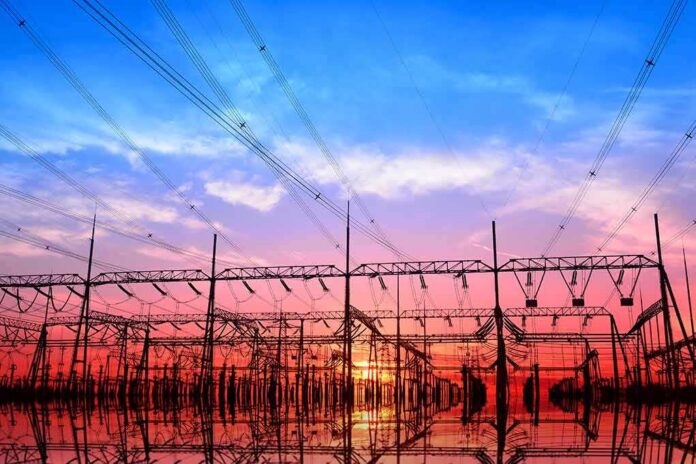
New York just became the first state to slam the brakes on new mega data centers, forcing a showdown between rising AI power needs and already‑stretched household utility bills.
Story Snapshot
- New York approved a one-year statewide pause on permits for large new data centers, the first moratorium of its kind in the country.
- Governor Kathy Hochul also signed an executive order stopping permits for “hyperscale” centers using 50 megawatts or more of power.
- Supporters say the pause protects residents from higher electric bills and strained water and power systems, while critics warn it will hurt jobs and innovation.
- The move taps into growing anger on both left and right over powerful tech interests and a government seen as too slow to protect ordinary families.
What New York’s Data Center Pause Actually Does
New York’s legislature passed the Responsible Data Center Development Act, which creates a one-year moratorium on state permits for new data centers with peak demand of 20 megawatts or more. The bill blocks the Department of Environmental Conservation from issuing key approvals for these projects during the pause. Lawmakers say this “time out” is meant to study how huge AI-driven server farms affect energy use, bills, land, and pollution before the state lets dozens more go forward.
The same law forces companies to face the public before building. Every future large data center project will need at least one in-person hearing in the host community, with advance notice and clear details on energy use, water demand, wastewater, and tax breaks. This adds transparency in a sector that has often grown quietly, backed by big incentives and complex utility deals most residents never see. People living near proposed sites will get a direct chance to ask questions and push back.
Hochul’s Executive Order and Why It Matters
Governor Kathy Hochul went further by signing an executive order that immediately halts environmental permits for “hyperscale” data centers using 50 megawatts or more of power. Her office says this is a statewide moratorium focused on the biggest facilities, which can contain thousands of servers and draw enormous amounts of electricity. The order tells state regulators to craft new standards within about a year, covering energy, costs, and environmental impacts, before such mega projects can resume.
This creates an unusual overlap: the law targets centers at 20 megawatts and above, while the executive order covers 50 megawatts and above. For ordinary New Yorkers, that kind of technical split can feel like classic government confusion. Yet the common theme is clear. State leaders are worried that rapid AI growth could overwhelm power grids and push already high electric bills even higher, unless data centers are forced to “bring their own energy” and pay for upgrades themselves instead of shifting costs onto families.
Why Lawmakers Say Ratepayers Need Protection
Supporters point to sharp energy price increases to explain the move. One legislative sponsor cited a roughly 44 percent jump in New York residential electricity rates from 2020 to 2025, compared with about 32 percent nationwide, arguing that ratepayers cannot keep absorbing new costs from large projects. Advocates also reference Virginia’s “Data Center Alley,” where a Bloomberg study reportedly tied local electricity prices to rapid data center growth, warning New York could see similar shocks if it does not act first.
To answer those fears, the moratorium bill orders a statewide environmental impact report within 18 months, looking at energy demand, water use, land, and pollution, with a special focus on disadvantaged communities. It also requires utilities to create a separate service class for big data centers, assigning grid upgrades and other costs directly to that class instead of spreading them across all customers. This speaks directly to a bipartisan worry: that the deep-pocketed tech sector uses its clout to socialize costs and privatize gains, while regular people pay more for power and get few local jobs in return.
Economic Fears, Innovation Hype, and Public Distrust
Business groups and some national commentators describe the move as a “ban” and warn it will hinder economic growth and the AI industry. They stress that data centers are critical infrastructure for artificial intelligence tools and cloud services, and argue that freezing projects sends a hostile signal to employers and investors. Yet these critics have not offered a detailed, public study showing how many jobs or how much state economic output would be lost during a single year of delay.
🇺🇸 New York pauses new hyperscale data centers for one year.
What happened:
Gov. Kathy Hochul signed legislation creating the nation's first statewide moratorium on large-scale data center construction, giving officials time to review effects on power grids and communities.— The States Brief (@TheStatesBriefX) July 14, 2026
New York’s step lands in a wider national trend. Dozens of cities and counties, and now several states, are considering or adopting temporary data center moratoriums as AI drives huge new demand for power and water. For many Americans, the pattern feels familiar: big tech pushes ahead at full speed; local communities see higher costs, noise, and land use; and government scrambles to catch up, often only after public anger grows. In that context, New York’s pause looks less like a one-off fight and more like the latest sign that both parties are wrestling with whether they serve ordinary citizens or the deep-pocketed digital economy.
Sources:
reason.com, dlapiper.com, rbj.net, nixonpeabody.com, nypost.com, wamc.org, washingtonexaminer.com, cbsnews.com, datacenterknowledge.com, theregister.com
© theredwire.com 2026. All rights reserved.