
The United States added a conspiracy-to-commit-torture charge against Nicolás Maduro and his wife, Cilia Flores, escalating a case that already accused Venezuela’s former rulers of drug crimes.
Story Snapshot
- Prosecutors filed a superseding indictment in Manhattan adding a torture conspiracy count against Maduro and Flores.
- The charge alleges abuse tied to detainees in Venezuela, including Americans, under Maduro’s rule.
- The new count sits alongside earlier drug and weapons allegations brought in federal court.
- Rights reports have long documented torture by Venezuelan security forces aligned with Maduro.
What Prosecutors Filed and Why It Matters
Federal prosecutors in New York filed a superseding indictment that adds a conspiracy-to-commit-torture charge against Nicolás Maduro and Cilia Flores. This expands a case that already accused them of drug trafficking offenses, and it signals a sharper focus on human rights abuses in addition to narcotics crime. Prosecutors argue the torture conspiracy targeted detainees in Venezuela, including Americans held in recent years. The new count increases legal pressure and raises the stakes for any future negotiations or courtroom fight.
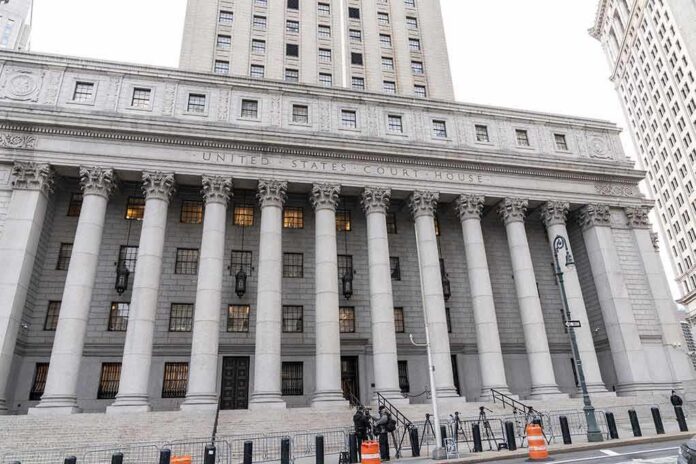
Officials familiar with the case said the new allegations center on abuse carried out by Venezuelan security or intelligence services under Maduro’s control. Reporting says the conspiracy charge links top leaders to patterns of mistreatment, not only to single incidents. The filing in Manhattan federal court puts the claim on record and allows a jury to weigh it. Maduro and Flores have previously denied wrongdoing and sought to limit U.S. jurisdiction by arguing immunity.
How Torture Allegations Fit With Earlier U.S. Cases
The United States has pursued Maduro-linked cases for years. Earlier filings charged Maduro and others with conspiring to import cocaine into the country and related weapons crimes. Human rights reports by the United States government have described ongoing torture and abuse by security forces aligned with Maduro, including beatings and threats against detainees. By adding a torture conspiracy count now, prosecutors tie the human rights record more directly to criminal liability inside a U.S. courtroom.
Legal experts note that bringing human rights charges against foreign leaders can serve several aims: deterring future abuse, shaping diplomacy, and locking in a public record under oath. Analysts also say these cases can freeze assets and limit travel, which increases leverage. Media reports describe this indictment as part of a broader push to portray the former Venezuelan regime as criminal, not merely authoritarian, which can change how allies and neighbors respond.
What This Means for Americans and U.S. Policy
The torture conspiracy charge speaks to a core American concern: citizens should not be abused overseas for political leverage. Prosecutors say several Americans were held in Venezuela and faced harsh treatment in custody. The case helps explain why the United States has leaned on sanctions, indictments, and prisoner deals in the region in recent years. The new filing suggests Washington wants legal tools, not only rhetoric, when citizens are harmed abroad.
🇺🇸🇻🇪 The Justice Department unsealed a superseding indictment charging Nicolás Maduro and his wife, Cilia Flores, with conspiracy to commit torture.
They have been held at Brooklyn’s Metropolitan Detention Center since U.S. forces took them from their Caracas compound on January… https://t.co/0NO5AV0GYU
— John Nelson (@WIgeopolitical) October 8, 2026
Readers on the right and left often agree on one thing: powerful people must face the law when they cross basic lines. Many conservatives see this as backing a strong stance against regimes that detain Americans and traffic drugs. Many liberals see a needed stand against torture and political prisons. Both groups worry elites dodge accountability. A public indictment in Manhattan, with clear charges and a path to trial, is one way to test those fears against evidence and law.
The Road Ahead: Jurisdiction, Immunity, and Evidence
The next steps turn on courts and evidence. Defense lawyers may argue sovereign or official immunity, claiming acts done in office cannot be tried here. Prosecutors will argue U.S. criminal law reaches conspiracies that harm Americans and affect the United States, and that torture and narcotics crimes are not shielded by title. The case timeline will depend on motions, discovery, and any security or intelligence limits on what can be shown at trial.
One caution remains standard in criminal matters: an indictment is a set of charges, not proof of guilt. The government must present credible witnesses, records, and expert analysis that link top officials to the alleged abuse. Defense teams can challenge each link. Still, the new count changes the posture. It makes human rights a central pillar of the U.S. case, not a footnote. That shift could influence future talks over detainees, sanctions, and any regional deals tied to Venezuela’s political crisis.
Sources:
insiderpaper.com, houstonchronicle.com, congress.gov, cbsnews.com, riotimesonline.com, ny1.com, huffpost.com
© theredwire.com 2026. All rights reserved.