St. Louis authorities have called off their search for escaped monkeys after artificial intelligence-generated hoax images flooded social media, turning a legitimate animal control situation into a chaotic misinformation circus that undermines public safety operations.
Story Highlights
- City officials abandoned monkey search due to overwhelming AI-generated fake images disrupting legitimate sightings
- Up to four vervet monkeys reported near O’Fallon Park, now believed privately harbored in violation of city ordinances
- AI misinformation campaign demonstrates how technology can sabotage emergency response efforts
- Authorities shifted focus from street search to investigating illegal exotic pet ownership
AI Hoaxes Derail Emergency Response
St. Louis health officials terminated their active search for escaped vervet monkeys after AI-generated images overwhelmed their ability to verify legitimate sightings. Justen Hauser, Bureau Chief of Environmental Health, confirmed authorities received credible information suggesting the primates are being harbored privately rather than roaming freely. The flood of fabricated content included images of monkeys in cars and staged capture scenes, forcing officials to dismiss most public tips as unreliable.
Illegal Exotic Animal Harboring Investigation
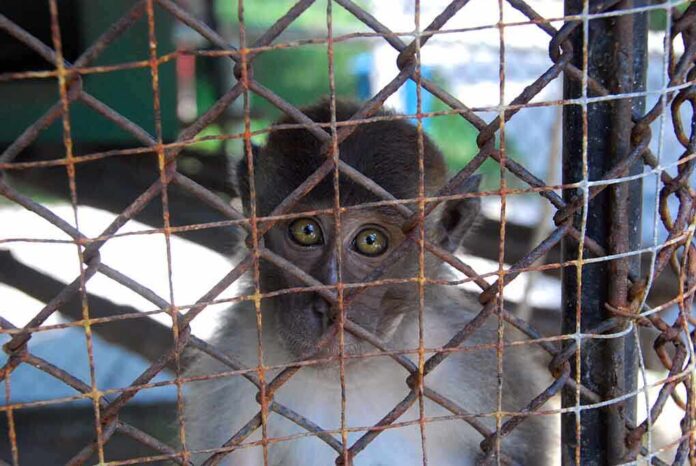
The investigation now centers on violations of St. Louis city ordinances prohibiting exotic animal ownership, including all non-human primates. Health Department spokesperson Willie Springer announced penalty waivers for anyone voluntarily surrendering the monkeys, emphasizing public safety over enforcement. The medium-sized, silver-coated vervets pose potential bite risks and require specialized handling by zoo experts. Officials estimate up to four monkeys were initially spotted near O’Fallon Park in north St. Louis.
Technology Weaponized Against Public Safety
This incident represents a dangerous precedent where artificial intelligence tools disrupt legitimate emergency responses. The sophisticated believability of modern AI-generated content, created using advanced platforms available in 2026, made verification nearly impossible for animal control officers. Hauser noted the rapid evolution of AI’s believability has fundamentally changed how authorities must approach viral incidents involving public safety.
Broader Implications for Emergency Management
The St. Louis monkey chaos exposes critical vulnerabilities in how government agencies handle social media-amplified emergencies. Resources were diverted from actual animal control to sorting through manufactured evidence, potentially endangering both public safety and animal welfare. This case highlights the need for stricter verification protocols and the growing threat of AI-enabled misinformation campaigns targeting essential government services.
St. Louis Calls Off Search for Band of Monkeys Allegedly Accompanied by a Goat After AI Images Flood Social Media https://t.co/r6YVZI1Vj2
— The Gateway Pundit (@gatewaypundit) January 19, 2026
While the immediate monkey situation appears contained through private harboring rather than street roaming, the broader implications for emergency response integrity remain concerning. The incident demonstrates how easily bad actors can weaponize technology to undermine legitimate government operations and public safety efforts.
Sources:
St. Louis Public Radio – Monkeys St. Louis AI Images Complicate Search
Vice – AI Hoaxes Are Really Screwing with the Monkey Search in St. Louis
PetaPixel – As Monkeys Escape Onto the Streets of St. Louis, AI Photos Add to the Chaos
UPI – Monkeys Goat St. Louis AI Images