

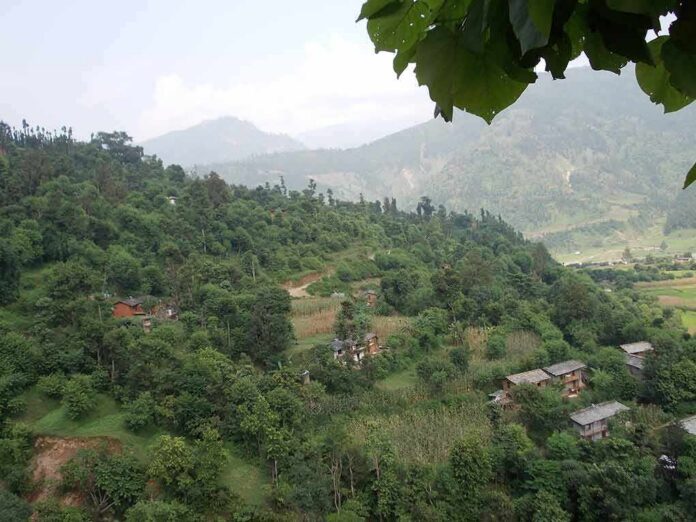
Eight villagers were seized from a remote Mexican mountain town, and survivors say the kidnappers want the land itself.
Story Snapshot
- Armed men abducted eight people from El Balcón, Guerrero; seven returned, one farmer is still missing.
- Survivors say captors aimed to control forests and territory around the village.
- The army said it located six missing residents through an intelligence operation.
- Other cases show cartels using kidnappings to punish, raise money, and project control.
What Happened In El Balcón
Associated Press reporting says dozens of armed men entered El Balcón, Guerrero, on September 24 and abducted eight villagers. The mountain community sits about six hours from the nearest town over rugged roads. Seven people returned after weeks away. One farmer remains missing. Survivors told reporters they endured threats and abuse during captivity. They linked the attack to control of nearby forests and land that supports the community’s work and income.
Mexico’s army publicly stated on October 16 that it located six of the missing residents. Officials said they used military intelligence operations to do so. That statement confirms the government treated the incident as a real missing-person and security case. It also shows that the military, rather than local institutions, handled the most visible response. The outcome left families with one person still unaccounted for and the wider village on edge about what could happen next.
Why Territorial Control Matters To Rural Families
Survivors said the kidnappers wanted to control the forests and surrounding area. That goal fits a wider pattern in parts of rural Mexico. Criminal groups do more than traffic drugs. They also tax businesses, extort farmers, and push into local markets. Researchers describe how cartels often operate alongside government institutions, not simply replacing them. They use fear and money to shape daily life and settle disputes while state offices remain open on paper.
Past cases show how kidnappings can punish communities that resist and raise cash when other incomes fall. In 2014 reporting from Morelos, gunmen tied to a national cartel began abducting shopkeepers, teachers, and prosperous farmers. Officials said the group was seeking new income sources after leadership losses. The targets were local people with something to lose. That pattern suggests kidnappings can both finance gangs and force towns to submit to their rules.
Other Recent Incidents Point To A Pattern
In December 2023, Mexican officials said a cartel kidnapped 14 residents, including four children, from communities in Texcaltitlán. The reported motive was retaliation. Days earlier, local farmers had confronted suspected cartel members and 10 gunmen were killed. Prosecutors tied the abductions to that clash. The case showed how quickly rural conflict can escalate when armed groups try to reassert control after a challenge from residents.
Reporting on the killing of community defense activist Hipólito Mora added to the picture. Journalists noted that the group known as the Viagras, also called Carteles Unidos, had gone on to kidnap, kill, and extort farmers and businesses. That history connects violence against civic leaders with pressure on the rural economy. It underscores how cartels can target both voices of resistance and the livelihoods that support communities.
Conditions On The Ground In Guerrero
El Balcón sits in pine-covered mountains with weak government presence. Residents told reporters that captors starved and beat them during 22 days of captivity. The setting makes any rescue harder and makes families more exposed to threats. When roads are poor and police are scarce, armed groups can move faster than the state. That gap leaves farmers, loggers, and shopkeepers with few safe choices after an attack like this one.
Activists and media have also relayed a survivor account that described a larger detention site holding many captives in Guerrero. The account included forced recruitment, beatings, and shackles. State officials later said they did not recognize a reported mass kidnapping because no formal complaint had been filed. These statements highlight the danger to witnesses and the limits of what the public can see, even as families report real abuses in isolated areas.
What This Means For People On Both Sides Of The Border
These cases show how rural families pay the highest price when violent groups chase land, timber, and crops. Every time a farmer is taken, fields go untended, shops close early, and kids miss school. Extortion and fear raise food prices and push people to migrate. Americans feel the effects through higher costs and more pressure at the border. When law fails in the countryside, the shock waves travel far, and ordinary people carry the burden.
Sources:
apnews.com, nbcnews.com, socialnews.xyz, hoymx.mx, cambridge.org
© theredwire.com 2026. All rights reserved.