
A Lakewood police officer is dead and three colleagues and a bystander are injured after a shootout tied to a city bus at one of Colorado’s busiest intersections.
Story Snapshot
- Police say a suspect opened fire near an RTD bus at Colfax and Wadsworth; officers shot and killed him.
- Four Lakewood officers were shot; one died at a hospital and three survived with injuries.
- A bystander was also injured during the exchange; officials have not detailed how that injury occurred.
- The tragedy highlights safety gaps in public spaces and the strain on front-line policing in major metros.
Police Report a Deadly Exchange Near a Busy Bus Stop
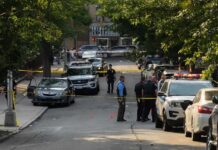
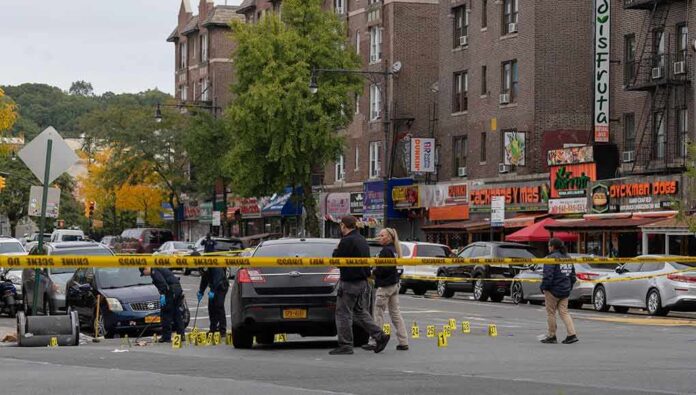
Lakewood police said officers approached a suspect near an Regional Transportation District bus at West Colfax Avenue and Wadsworth Boulevard on Thursday evening. A department spokesperson said the suspect opened fire, hitting four officers. Police returned fire and killed the suspect at the scene. The agency reported that one officer later died at a hospital. Three other officers were injured but survived. A civilian bystander was also hurt during the chaos at the intersection.
News outlets cited the same core facts while describing slight differences in the scene. Reporters described the gunfight as linked to the bus area, with some accounts saying the suspect tried to board the bus before the shooting. Others said the exchange happened beside or into the bus. The department’s spokesperson provided the main timeline for what happened. The city closed the area for hours as investigators gathered shell casings, photos, and witness statements.
Casualties, Response, and What We Know So Far
Officials confirmed four officers were shot. One died from his wounds. Three others were treated for injuries that were not immediately described in detail. The suspect died after police returned fire. A bystander suffered an injury during the incident. Police did not share the names of the officers or the suspect during initial briefings. The agency said the shooting remains under active investigation and asked the public to avoid the area while the scene was processed.
Local and national outlets reported similar casualty counts and the same intersection. The Regional Transportation District bus connection drew focus because the stop serves a high-traffic corridor. Witnesses described heavy gunfire and people running for safety as vehicles collided and glass shattered. Crews taped off lanes and redirected buses while evidence teams worked. The department did not release body camera video during the early reporting window, which is common in ongoing cases.
Why This Hits a Nerve: Safety, Trust, and the Front Line
The shooting touches a shared fear across the political spectrum: everyday places no longer feel safe. A bus stop, a crosswalk, an evening commute—ordinary routines can turn deadly in seconds. Police say they faced an armed suspect in a crowded space and had to act. Riders, drivers, and people on foot were suddenly in harm’s way. Big city agencies face these fast-moving calls often, and each split-second choice can carry life-or-death stakes.
🚨 BREAKING: COLORADO POLICE OFFICER KILLED, THREE OTHERS SHOT IN DEADLY GUNFIGHT ABOARD PUBLIC BUS
One Lakewood police officer is dead, three others are wounded, and a suspect has been killed following a violent confrontation aboard a public transit bus Thursday evening near…
— MDBayNews (@MDBayNews) November 6, 2026
Americans argue about policy, but most agree on this: the system should protect the public and support good policing. That means quick, clear facts after a major use of force. Departments across the country now lean on video, dispatch logs, and independent reviews to explain what happened. National studies show officer-involved shootings occur across many large agencies, and that camera footage often shapes public understanding once released.
What Comes Next in the Lakewood Investigation
Investigators will map the scene, match bullets to firearms, and review body-worn and nearby cameras. They will try to confirm where each person stood, who fired when, and how the bystander was injured. They will compare witness accounts with physical evidence and radio traffic. When agencies release that material, the public usually gets a clearer picture of the timeline, the threat level, and whether tactics met policy and training standards in a crowded corridor.
City leaders and transit officials will likely review safety steps for bus corridors at rush times. That could include camera placement, lighting, and officer deployment near high-risk stops. Community groups often ask for faster transparency after incidents like this. Families of the fallen also seek answers. For now, Lakewood is mourning an officer who died serving his city, while three injured officers recover and riders try to reclaim a sense of normal at a key transit hub.
Sources:
coloradosun.com, abcnews.com, cbsnews.com, upi.com, cnn.com, koaa.com, axios.com
© theredwire.com 2026. All rights reserved.