Stephen Miller’s holiday tirade on immigration reveals the fiery depths of his nativist stance and its impact on American politics.
Story Snapshot
- Stephen Miller’s intense immigration rant at a holiday event stirs controversy.
- The rhetoric juxtaposes festive cheer with hardline immigration views.
- Miller’s influence on Trump’s immigration policies dates back to the first administration.
- Event highlights the ongoing polarization surrounding U.S. immigration policies.
Miller’s Immigration Stance Amid Holiday Cheer
During a holiday gathering with a “Rat Pack” atmosphere, Stephen Miller, a senior aide to President-elect Donald Trump, launched into a fervent diatribe against immigration. The event, held just before Christmas in 2025, was described as a festive setting that starkly contrasted with his intense rhetoric. Miller, known for his restrictive immigration views, expressed deep concerns about “third world” migrants, framing his comments as a defense of American culture. This outburst highlights the continued divisiveness of immigration policy in the U.S.
The story, published by The Daily Beast, painted Miller’s remarks as a “meltdown,” emphasizing the sensational nature of the event. By using vivid language, the article aimed to underscore the extremism perceived within Trump’s advisory circle. This portrayal, while critical, reflects the long-standing division between media outlets and the Trump administration, each pushing sharply different narratives about immigration and national identity.
Historical Context of Miller’s Rhetoric
Stephen Miller’s immigration views are deeply rooted in his tenure during Trump’s first administration, where he played a pivotal role in crafting stringent policies. Credited with orchestrating measures such as the travel ban and family separations, Miller’s position has consistently been one of restrictionism and cultural preservation. His latest outburst is not an isolated incident but rather a continuation of his established nativist ideology, which remains influential as Trump prepares to re-enter the White House in 2025.
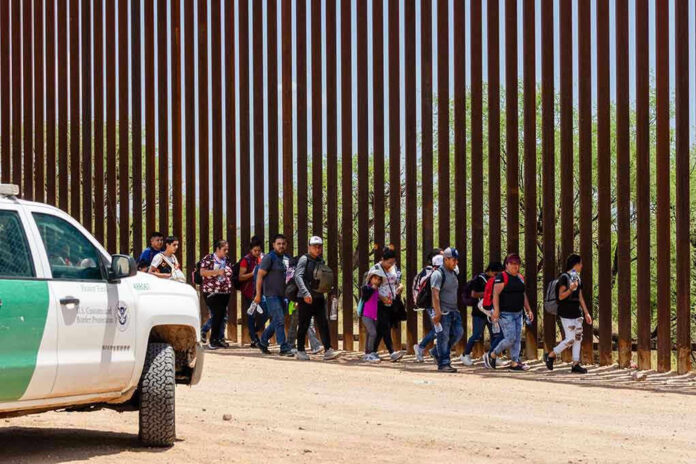
Following the 2024 election, Miller re-emerged as a key figure in Trump’s transition team, advocating for aggressive immigration policies, including mass deportations and the end of birthright citizenship. His public intensity, as displayed during the holiday event, aligns with the broader strategy of Trump’s administration to appeal to the electoral base with promises of strict border enforcement.
The Media’s Role and Public Perception
The Daily Beast’s coverage of Miller’s rant is emblematic of the media’s role in shaping public perception. The article’s critical tone and use of sensational language serve to amplify the controversy surrounding Miller’s comments. This approach not only draws attention to the content but also to the broader implications of such rhetoric, particularly in the context of an America deeply divided over immigration.
While left-leaning outlets like The Daily Beast portray Miller’s remarks as extreme, right-leaning media might frame them as a necessary stance on border security. This dichotomy underscores the media’s power in influencing public discourse and highlights the ongoing battle over narrative control in American politics. The polarization of media coverage reflects broader societal divisions on immigration, cultural identity, and national security.
Implications for U.S. Immigration Policy
The immediate fallout from Miller’s rant is likely to fuel further media polarization and deepen the divide between hardline immigration proponents and advocates for more inclusive policies. In the short term, such rhetoric energizes Trump’s base while potentially alienating moderates and immigrant communities. The long-term implications could see an entrenchment of extreme rhetoric in U.S. immigration policy, influencing upcoming legislative agendas and shaping the political landscape ahead of the 2029 midterms.
Economically, the rhetoric of mass deportations poses risks of labor shortages, particularly in sectors reliant on immigrant workers such as agriculture and construction. Socially, it exacerbates divisions over multiculturalism and national identity. Politically, it solidifies the Republican Party’s shift towards hard-right positions, potentially impacting voter demographics and electoral outcomes in the years to come.
Sources:
The Daily Beast Stephen Miller