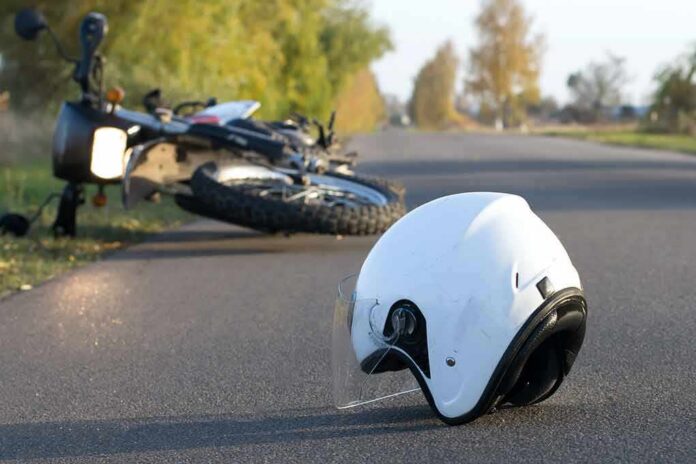
Iranian security forces rolled out mass motorcycle patrols and new checkpoints across major cities to head off fresh unrest.
Story Snapshot
- Motorcycle patrols and checkpoints expanded across Tehran and other cities.
- Reports describe deployments of police, Basij militia, and special units nationwide.
- The moves fit Iran’s long-running model of visible, layered internal control.
- Large-scale mobilizations signal deterrence and intelligence gathering, not only force.
What Happened On The Streets
Multiple reports say Iran increased visible security in late September. Motorcycle patrols spread across Tehran and other cities, with new checkpoints placed in key areas as authorities prepared for unrest. Messages and videos sent to independent outlets described deployments of police, special units, and Basij militia in cities including Mashhad, Shiraz, Karaj, Isfahan, and Tabriz. Residents reported heavier presence around transit hubs and fuel stations. The stepped-up posture shows officials want to deter gathering crowds before they form.
Local accounts described fast-moving motorbike teams and roaming units that can appear and disperse within minutes. This tactic helps officers move through traffic, scan for groups, and break up rallies early. Checkpoints allow stop-and-search operations, document checks, and phone reviews. Together, these measures raise the daily cost of protest. They also place pressure on organizers. The aim is to slow coordination and keep demonstrations from spilling beyond a block or two.
Why Iran Uses Motorcycle Units And Checkpoints
Analysts have long said Iran relies on a layered security network built for speed, reach, and presence. Reporting describes a system anchored by the Islamic Revolutionary Guard Corps and the Basij militia, with police and special units in support. The network’s value is not only crowd control. It is also the message it sends. When patrols line the streets and checkpoints dot key routes, many people decide to stay home. That is a powerful deterrent.
Experts note that Iran’s internal security approach blends force with constant observation. Basij members often gather ground-level information, run local checkpoints, and help target arrests. Motorcycle teams add surprise and mobility. Checkpoints add friction and fear for those moving or meeting. The point is to prevent small sparks from becoming large fires. Visible readiness can be as effective as arrests in stopping unrest before it grows.
What This Signals For Iranians And The Region
For everyday Iranians, more patrols mean more stops, more searches, and longer commutes. People who already face high prices and job stress see yet another hurdle. For activists, the risk calculus changes. Meetings are harder to plan. Phones can be checked. Leaders can be picked off fast. For authorities, this posture buys time and control in a tense season, but it also deepens public fatigue and anger. Pressure can keep order, yet it rarely solves core problems.
Iranian authorities have stepped up security across Tehran and other cities, with motorcycle patrols, checkpoints and forces positioned in major urban areas, multiple sources inside Iran told Fox News Digital.
The buildup comes as university students in Tehran return to the… pic.twitter.com/QmT1BWvPOf
— Fox News World (@FNCGlobalNews) September 29, 2026
For outside observers, the country’s security stance offers a barometer. Large mobilizations and quick deployments often track with economic strain or flashpoint events. The current moves match that familiar pattern reported in past protest cycles. They also remind us that many governments, not just Iran’s, turn to visible force when trust is low. Americans across the spectrum see a warning here: when leaders prize control over consent, everyday people end up squeezed between fear and frustration.
Sources:
redstate.com, ncr-iran.org, us.headtopics.com, iranfocus.com
© theredwire.com 2026. All rights reserved.