The hearing over who killed Charlie Kirk is exposing not just one man’s fate, but how America now handles political violence in full view of a deeply mistrustful public.
Story Snapshot
- Prosecutors say DNA, ballistics, and a confession link Tyler Robinson to Charlie Kirk’s assassination, and they are seeking the death penalty.
- Defense lawyers attack the process, fighting hearsay evidence, camera access, and alleged prosecutor misconduct rather than directly disproving the forensic case.
- Judge Tony Graf has kept the key preliminary hearing public and is weighing contempt claims over prosecutors’ media comments.
- The case highlights rising political violence and growing doubts on both left and right about whether the justice system is fair, transparent, and focused on truth.
What Prosecutors Say Happened to Charlie Kirk
Prosecutors in Utah say Tyler Robinson carried out the assassination of conservative activist Charlie Kirk during a speaking event at Utah Valley University in Orem. They have charged Robinson with aggravated murder and several other felonies, and have formally announced they will seek the death penalty if he is convicted. Charging documents describe a bolt-action rifle wrapped in a towel, with one spent round and three live rounds, found in a wooded area near campus soon after the shooting.
Investigators say DNA found on key parts of that rifle, the towel, and the fired cartridge casing matches Robinson. In earlier hearings, detectives testified that independent labs tested items like the gun, towel, and even a screwdriver from a rooftop, and that both labs reported DNA consistent with Robinson on those materials. Authorities also point to text messages and a reported confession to a roommate, where Robinson allegedly described the bullets’ engravings as “mostly a big meme” and expressed motive tied to Kirk’s politics.
How the Defense Is Fighting the Case
Robinson’s lawyers are not mainly attacking the idea that the DNA is his; instead, they focus on how the state is building and publicizing its case. They have argued that ballistics work from the Bureau of Alcohol, Tobacco, Firearms and Explosives could not conclusively connect the fatal bullet to the rifle, using that to question the strength of the match. They also say relying on a recorded interview with roommate Lance Twiggs instead of live testimony stops them from fully cross-examining a key witness and harms Robinson’s rights.
The defense has pushed hard to limit the hearing’s visibility. They asked Judge Tony Graf to close parts of the preliminary hearing and seal exhibits, claiming heavy media attention would poison the jury pool and deny their client a fair trial. They also sought to delay proceedings, saying they had not yet been able to review full DNA reports and other forensic materials. At one point they even tried to remove the entire Utah County Attorney’s Office from the case, citing a claimed conflict because one prosecutor’s child attended Kirk’s event.
Judge’s Rulings and the Battle Over Public Access
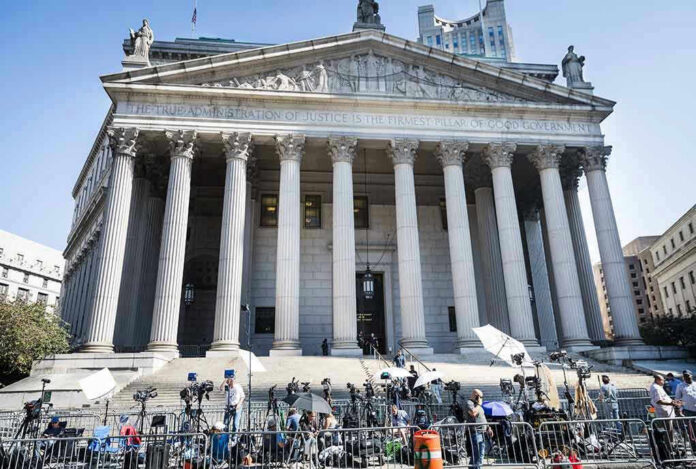
Judge Tony Graf has become a central figure, balancing fair trial concerns with the public’s right to see how justice is done. He ruled that the July preliminary hearing must stay open, finding the defense failed to show that public access would seriously risk an unfair trial. He also ordered that cameras would remain allowed, with pool photographers permitted and other electronic devices sharply limited to keep order in the courtroom.
At the same time, Graf agreed to hold a separate evidentiary hearing on whether prosecutors broke a gag order or should face contempt over a media “tour” describing ballistics evidence and the death penalty strategy. Defense lawyers argue those comments were meant to sway public opinion and lawmakers, not just inform the press. Prosecutors counter that they were explaining complex evidence in a case with huge national interest, and say they will still prove probable cause at the preliminary hearing with forensic analysis, surveillance video, witness statements, and autopsy findings.
Why This Case Feels Bigger Than One Defendant
Kirk’s killing shocked many Americans who already feel the country’s politics have turned dangerous and toxic. BBC and public television reports place his assassination in a growing pattern of political violence, from attacks on members of Congress to assaults on spouses of leaders, fueled by harsh rhetoric, easy access to guns, and weak mental health support. For many citizens on both the right and the left, this case confirms a sense that deep anger now spills into bloodshed rather than debate.
Charlie Kirk's accused killer, Tyler Robinson, is back in court this week as prosecutors begin presenting evidence during his preliminary hearing. Robinson is charged with assassinating Kirk, and the weeklong hearing is expected to include surveillance video, forensic evidence,… pic.twitter.com/yslXtlA41W
— Law&Crime Network (@LawCrimeNetwork) July 6, 2026
The case also puts a spotlight on the justice system itself. Utah County is spending over a million dollars so far on capital murder cases like Robinson’s, money many taxpayers feel could help families instead of lawyers. Some conservatives watching the hearing worry that media and “deep state” elites will twist the facts, while some liberals question whether a death penalty push in such a heated climate can ever be fair. Both sides share a deeper concern: that the system seems more focused on rules, cameras, and reputation than on simple truth and accountability.
Sources:
youtube.com, ksl.com, livenowfox.com, rev.com, cbsnews.com, apnews.com, heraldextra.com, facebook.com, cnn.com, fox13seattle.com, bbc.com, pbs.org
© theredwire.com 2026. All rights reserved.