President Trump says the United States will “take over” and guard the Strait of Hormuz, and he wants other nations to pay America for it.
Story Snapshot
- Trump tells Fox News the U.S. will be the “guardian” of the Strait of Hormuz and should be reimbursed for keeping it open.
- The president links this role to protecting global oil flows and stopping Iran from using the strait to threaten the world economy.
- Trump insists no country, including Iran or Oman, will be allowed to control the waterway or charge tolls unchecked.
- Legal experts say the strait is international waters, raising questions about how far U.S. control and tolls can legally go.
Trump Says U.S. Will Guard Strait And Get Paid
President Donald Trump, speaking in a phone interview on Fox News’ “Fox & Friends,” said the United States will likely “take over” the Strait of Hormuz and act as its long-term guardian. He called the waterway a vital link for world oil and gas and said wealthy nations that depend on that flow should pay America for keeping it safe. Trump framed the idea as simple fairness, arguing that U.S. taxpayers should not carry the full cost of protecting global energy while allies profit.
Trump told Fox News, “We’re going to keep the strait, and we’ll probably run it,” adding that the U.S. would be the “guardian angel of the strait.” He said, “We’re going to guard it. We’re going to get paid for guarding it – a lot of money,” stressing that rich partner nations must reimburse Washington for its naval presence. For many conservative listeners, this matches his America First theme: if our Navy keeps the oil flowing, foreign countries should help foot the bill instead of relying on free U.S. protection.
Backing Up Tough Talk With Blockade And Deadlines
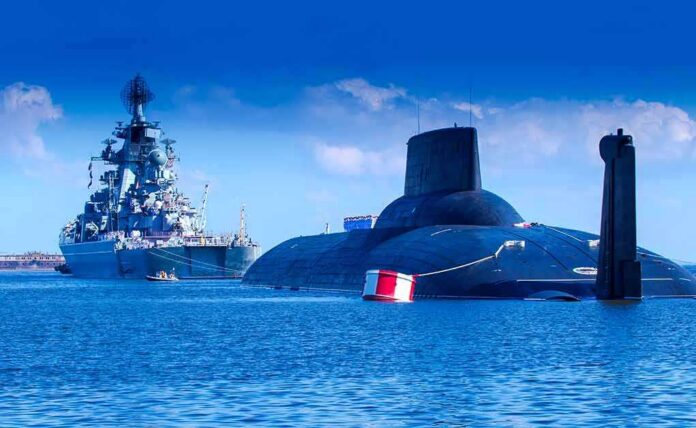
Trump’s remarks come after months of clashes with Iran over the Strait of Hormuz, where about 20 percent of the world’s oil passes. Earlier, he ordered a naval blockade focused on ships going to and from Iranian ports, aiming to stop Tehran from profiting off tolls and threats to close the strait. He told Fox News the policy would be “all or none,” warning that any vessel paying Iran for passage risked interception by the U.S. Navy. The goal, he said, is to keep energy moving while denying cash to a hostile regime.
Alongside the blockade, Trump has used deadlines and public warnings to pressure Iran to fully reopen the waterway. Coverage of his ultimatums describes threats to strike key infrastructure, such as bridges and power plants, if Iran keeps blocking ships or mining routes. At the same time, he has asked other nations to send warships in support of an international effort to keep the strait open and safe. For a right-of-center audience, this fits his “peace through strength” pattern: bring allies in, but keep the United States in the lead and willing to hit back hard.
“Nobody’s Going To Control It”: Trump’s Line On Iran And Oman
While Trump talks about the U.S. guarding and even “running” the Strait of Hormuz, he is also clear that no single country should claim full control. In a cabinet meeting, he said the strait is international waters and warned that if any nation tries to dominate it, the United States would respond. He rejected ideas that Iran or even neighboring Oman could take formal control as part of a deal, saying “nobody’s going to control it” and hinting at military consequences for any country that tries. These comments underline his stance that freedom of navigation comes first.
Iran, for its part, has repeatedly claimed it can close or tightly control the strait when angered by U.S. sanctions or strikes. At times, Iranian commanders have threatened to target foreign tankers that do not follow their routes or rules. U.S. Central Command and allied officials often push back, saying the strait remains open to lawful shipping, though actual traffic has dropped when tensions spike. The back-and-forth leaves global markets on edge and puts more weight on Trump’s promise that American power will keep energy flowing, not leftist climate schemes or United Nations talking shops.
Can The U.S. “Control” An International Strait?
Trump’s idea of taking over the Strait of Hormuz and charging fees raises legal questions even as it appeals to voters tired of paying for other nations’ security. Under widely cited maritime rules, the strait is treated as international waters, and no country is supposed to block peaceful transit outright. U.S. naval lawyers have long argued that freedom of navigation operations are allowed, but steady tolls or a permanent U.S. “ownership” stake could face challenges from global bodies and rival governments. That tension sits beneath Trump’s tough talk.
4 hours ago – 38°53′N 77°2′W
Trump on Iran: We had an agreement, and they broke it. We will be the guardians of the Strait of Hormuz.https://t.co/dbxl1U6m2S pic.twitter.com/PPxMe0tIGI
— Creatorskid (@Tuberoot) July 13, 2026
For conservatives worried about globalism and endless foreign freebies, Trump’s push to be reimbursed may sound like common sense even if diplomats cringe. His comments also fit a broader pattern: he blames past weak policies for letting Iran bully shipping lanes and vows that under his watch, American strength will protect energy, lower gas prices, and force bad actors to stand down. As long as Iran’s hardliners flirt with shutting a key artery of world trade, the president appears ready to keep U.S. warships in the region and send a clear message that the days of America paying for everyone else’s security are over.
Sources:
mediaite.com, usatoday.com, youtube.com, michaelianblack.substack.com, bbc.com, democrats.senate.gov, npr.org, timesofisrael.com, aa.com.tr, aljazeera.com
© theredwire.com 2026. All rights reserved.