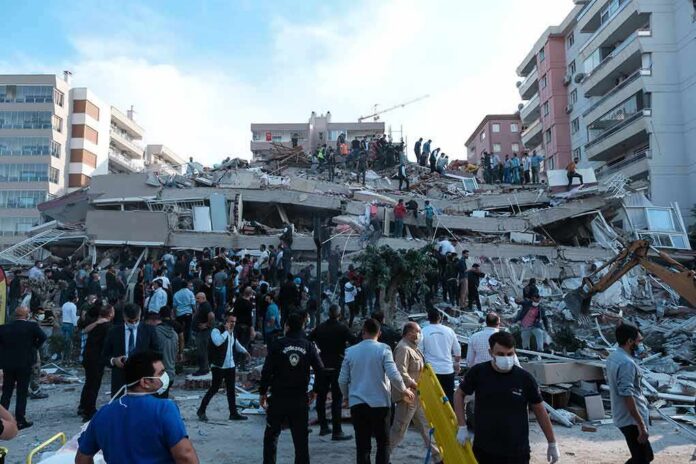
Four Americans were among six people killed when a suspected gas blast leveled a building in Athens’ historic Plaka district, steps from the Acropolis.
Story Snapshot
- Six people died after an explosion collapsed a two-story building in central Athens.
- U.S. officials said four of the dead were American tourists, and the blast was gas-related.
- Rescuers used dogs, cameras, and sensors to find victims amid widespread damage.
- Athens’ mayor linked the blast to gas infrastructure as investigators review the cause.
Deadly Collapse In A Crowded Historic District
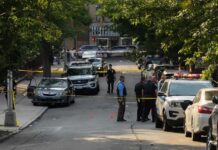
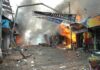
Greek firefighters and police responded Friday morning to a powerful explosion in Plaka, a busy tourist area near the Acropolis. The blast brought down a two-story residential building and damaged nearby homes, shops, and cars. Crews pulled survivors from adjacent structures and treated the injured on scene. Authorities later confirmed six deaths linked to the collapse. Photos and videos showed shattered facades and debris across narrow streets filled with tourists and workers.
Officials said rescue teams in heavy gear searched the rubble with dogs, cameras, and sensors. The Greek fire brigade reported the recovery of six bodies by Saturday. The scale of the shock wave suggested a major internal event. The damage pattern fit a sudden overpressure, which can cause walls and floors to fail. The operation forced evacuations and traffic closures in one of Athens’ most visited neighborhoods as responders worked methodically through unstable debris.
Americans Among The Victims
The United States State Department confirmed that four Americans were among the six people who died. A spokesperson told reporters their deaths resulted from a gas explosion. U.S. officials said they were in touch with Greek authorities and were working to notify families. Local and international media reported that tourists were staying in the building and nearby rentals, which is common in Plaka’s short-term lodging market near key historic sites.
Athens Mayor Haris Doukas called the event an “incredible disaster” and said the blast was likely tied to gas infrastructure. Earlier updates from city leaders and the fire service noted that the cause would be determined by investigators. That process often involves gas network checks, appliance inspections, and structural analysis. Newsrooms cited the mayor’s comments while also noting that final attribution follows forensic review after the rescue phase ends.
Cause Under Investigation And Public Safety Questions
Reporters from Reuters, the Associated Press, and other outlets said officials suspected a gas leak but stressed that investigators would make the formal call. Early disaster reporting usually relies on on-site indicators, witness notes, and utility data, and then shifts to a technical probe. In older, dense districts, mixed-use buildings, aging lines, and renovations can raise the risk of leaks and ignition points. That is why gas is a frequent early hypothesis in urban blasts.
Four American tourists among 6 killed yesterday after a suspected gas explosion leveled a building in Athens’ Plaka district, at the foot of the Acropolis.
Two couples were staying in a short term rental and due to fly home Friday.
Prayers for the families.
Such a tragedy and… pic.twitter.com/Gxe0Ww3e62— Gina Beana Fofina (@Ginasassyass) September 27, 2026
Greek authorities opened a case review to examine gas lines, meters, and interior systems. Utility staff and fire service teams typically map break points and ignition sources to confirm sequence and cause. For many readers, the key concern is simple: could this happen on a busy morning where families gather? The answer is that modern sensors and maintenance reduce risk, but lapses and aging systems can still be deadly when pressure builds unnoticed in tight urban spaces.
Sources:
thegatewaypundit.com, reuters.com, www-cdn.abcnews.com, cbsnews.com, abc7.com, en.protothema.gr
© theredwire.com 2026. All rights reserved.