U.S. Attorney James McDonald said Luigi Mangione pleaded guilty in federal court and admitted key conduct tied to the killing of UnitedHealthcare chief executive Brian Thompson.
Story Snapshot
- Prosecutors say Mangione entered a federal guilty plea connected to Thompson’s death.
- The expected plea followed weeks of reports about active negotiations in Manhattan federal court.
- Media reports described charges centered on federal stalking linked to the fatal shooting.
- Mangione had earlier pleaded not guilty as the case moved through federal and state courts.
What Prosecutors Announced After the Hearing
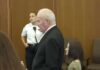
U.S. Attorney James McDonald spoke just after the plea hearing and said Mangione admitted the core conduct at the center of the federal case. His remarks followed a rapid shift from months of procedural steps to a decisive courtroom outcome. Reporters had tracked the case as it moved from indictment to delays and back to court. McDonald’s statement signals that the government now has an on-the-record admission to anchor sentencing and any follow-on proceedings.
Federal prosecutors have pursued a theory that ties Mangione’s actions to stalking conduct that ended in Thompson’s death. Prior reporting outlined that the charge involved federal stalking or stalking resulting in death, which aligns with how the government framed liability before the plea. Broadcast coverage said a guilty plea on federal stalking counts was expected, and that this development could shape what happens next in related courts.
How We Reached a Guilty Plea
In recent weeks, national outlets reported that both sides were discussing a deal. ABC News said defense lawyers and prosecutors talked about a possible plea ahead of a scheduled court date. Local coverage reported a last-minute conference jointly requested by both sides, a sign of active negotiations rather than routine scheduling. NBC’s report, carried by affiliates, said a plea to federal stalking charges was expected as part of a deal that would resolve the federal case.
Those steps fit a familiar playbook in major federal cases. Plea talks often intensify as trial approaches, and both sides weigh risks and evidence. Earlier in the year, coverage noted that the federal trial timeline had already shifted, keeping pressure on the calendar and the parties. The plea hearing now moves the case into a new phase, where sentencing filings, victim-impact statements, and a judge’s review will set the punishment range and the final terms.
What Changes Now for the Federal and State Tracks
The plea gives the federal government a clear admission to use at sentencing. It may also affect how state prosecutors plan their next steps. Reports suggested the defense had eyed sequencing between federal and state matters, and some analysts flagged New York’s rules on overlapping prosecutions as a strategic factor, though courts decide what actually applies in practice. The federal court will now set deadlines for sentencing briefs and schedule a date for the hearing.
Luigi Mangione admitted in federal court that he shot Brian Thompson in Manhattan.
“I knew what I was doing was illegal,” he told the judge while entering his guilty plea.
📸: David Dee Delgado / @spain4mangione on Instagram
💬 N Crowd, what did you think of his statement? pic.twitter.com/APe7v2xByX
— Just N Life (@TheJustNLife) August 14, 2026
For families, patients, and employees who watched this case, the plea answers one core question about accountability in federal court. It does not resolve every question across jurisdictions, but it marks a major turn. People across the political spectrum worry that powerful institutions dodge consequences. This outcome shows a system that moved, however slowly, toward a public admission in a high-profile case tied to health care, cost pressures, and trust in the rule of law.
Sources:
abc7.com, valawyersweekly.com, abcnews.com, cnn.com, yahoo.com, foxnews.com
© theredwire.com 2026. All rights reserved.