Kuwait says its air defenses fought off Iranian missiles and drones while Tehran claimed it was striking U.S. military sites on Kuwaiti soil, pulling a small nation into a big-power crossfire.
Story Snapshot
- Kuwait reports intercepting Iranian missiles and drones over its territory.
- Iran’s Guard says the strikes targeted U.S.-linked facilities in Kuwait as retaliation.
- Kuwait condemns a flagrant violation of its sovereignty and cites self-defense rights.
- Independent proof of damage to U.S. assets in Kuwait remains unconfirmed in public reports.
What Kuwait Says Happened In Its Skies
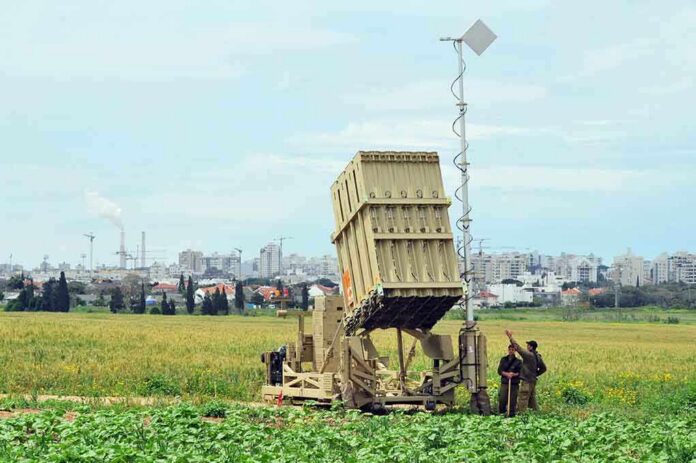
Kuwait’s army said its air defenses intercepted hostile missile and drone threats, and told residents that loud booms were from intercepts, not ground blasts. Government statements called the attacks a dangerous breach of sovereignty and international law, and warned they threatened civilians and vital sites. Officials affirmed Kuwait’s right to self-defense under Article 51 of the United Nations Charter. These points place the event in Kuwait’s airspace and territory, with a legal frame focused on sovereignty.
Kuwait’s foreign ministry and cabinet repeated that message across several days. They labeled Iran’s actions a blatant violation of territorial integrity and the United Nations Charter, aligning with Gulf Cooperation Council partners who voiced similar concerns. This framing does not detail exact targets inside Kuwait. It instead stresses that missiles and drones entered Kuwaiti airspace and put people and infrastructure at risk. That emphasis suggests a national-security lens first, target specifics second.
What Iran Says It Aimed To Hit
Iran’s Islamic Revolutionary Guard Corps said the strikes were retaliation for U.S. attacks and were aimed at U.S. military infrastructure and assets in Kuwait and nearby states. Reporting attributed to Tehran listed categories like aircraft shelters, satellite communications, and storage at bases used by the United States, including Ahmad al-Jaber and Ali al-Salem. These claims offer facility names and military functions. They also come from a party to the conflict, which means they need outside checks.
Public evidence that confirms damage to named U.S. systems in Kuwait has not appeared in the cited material. Wire and government reports establish that intercepts occurred and that Iran claimed U.S. sites were the goal. They do not provide imagery, U.S. military confirmation, or third-party assessments of impact on specific facilities. That gap does not erase the attack. It sets a clear line between what is verified in Kuwait’s skies and what is still unproven about Iran’s intended or achieved targets.
Why This Standoff Matters At Home
This strike wave fits a pattern where Iran responds to U.S. moves by hitting across third-country territory that hosts American forces. That pattern places small states in the middle while larger powers trade blows. Many Americans see this and ask why years of war-posture spending have not made them safer or energy cheaper. Each escalation risks higher fuel prices, market stress, and new deployments, while families at home still face rising costs and aging services.
A strike on Kuwait is a huge claim. Where is the official confirmation from Kuwait or Iran?
— Sofie v. (@sof_d60) September 3, 2026
Both conservatives and liberals share a basic worry here. They see leaders talk tough while ordinary people carry the costs. Kuwait’s message focuses on sovereignty and law, which echoes America’s own founding ideas about borders and civilian safety. Iran’s message claims retaliation and military targets, which shows how fast great-power fights can turn neighbors into battlegrounds. Clear evidence on targets and damage would help citizens cut through spin and hold decision-makers to account.
What To Watch Next
kuna.net.kw, iranintl.com, cnbc.com, aa.com.tr, bbc.com, malaymail.com
© theredwire.com 2026. All rights reserved.