

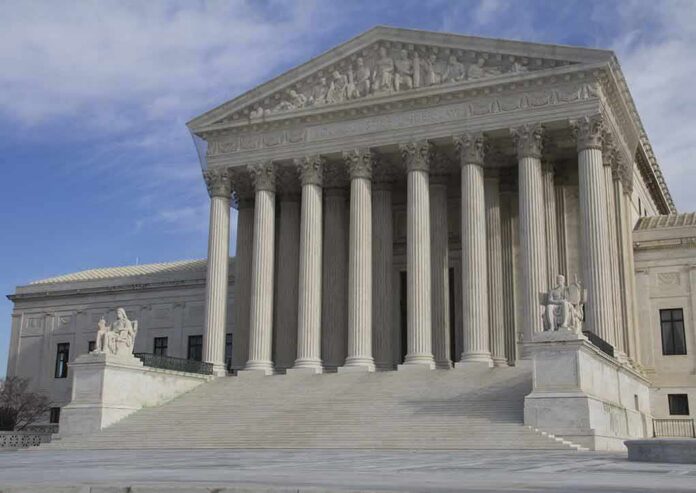
A federal judge dismissed the Justice Department’s lawsuit, leaving California’s transgender sports policy in place for now.
Story Snapshot
- A judge tossed the federal case, so California’s 2013 policy remains active in schools.
- California first sued to block federal demands to ban transgender athletes.
- The Justice Department argued the policy violates Title IX and harms girls.
- The Supreme Court upheld bans in other states, but did not order California to change.
What the Judge’s Dismissal Actually Does
On September 1, 2026, a federal judge dismissed the Justice Department’s lawsuit that aimed to block California’s policy allowing transgender students to play on teams matching their gender identity. The ruling means California schools can keep following the state’s long-standing law for now. The court’s order ended this case, but it did not write a national rule for every state. The dismissal left the state’s current approach intact during the next steps of any appeals.
California’s policy dates back to 2013 under Assembly Bill 1266 and related school sports rules. State officials have treated it as lawful for years. When the federal government pressed schools to certify bans on short notice, California refused and defended its rules. The state argued Washington overreached and threatened school districts without clear legal authority to demand new certifications or cut funding tied to transgender athletes in school sports.
How We Got Here: Dueling Lawsuits and Federal Pressure
California filed suit first in June 2025 to stop federal retaliation and to protect its anti-discrimination laws for student athletes. The Justice Department then sued California, claiming the policy amounts to illegal sex discrimination and denies girls equal chances to compete. Federal officials framed the policy as unfair to girls and in conflict with Title IX, the federal civil rights law that bars sex discrimination in education programs that receive public funds.
The Justice Department’s complaint leaned on claims that girls lost podium spots and chances due to transgender participation. The filings cited public comments about fairness, including remarks highlighting concerns with competitive equity. California answered that federal officials did not show statutory authority for fast-track demands and that the state must follow its own laws that bar discrimination based on gender identity. The court’s dismissal did not publish a full merits roadmap in the reporting we have.
The Supreme Court Ruling That Looms in the Background
On June 30, 2026, the Supreme Court upheld bans in Idaho and West Virginia that keep transgender girls out of girls’ sports. That ruling confirmed states may choose that path. But the decision did not order every state to follow, and reporting said California could continue its own policy for now. This mix creates a patchwork. Some states will exclude, others will include, and courts will keep sorting the details of Title IX claims.
This patchwork fuels public anger across the spectrum. Conservatives see girls losing chances and ask why Washington failed to set a clear line. Liberals see rights at risk and ask why courts let states block a small group from playing. Many Americans see another fight where leaders talk past people, while schools, parents, and kids carry the burden. The judge’s ruling does not settle that deeper debate. It only sets the ground rules in California for now.
What’s Missing: Data, Transparency, and Next Steps
Key facts are still thin in public view. The reports we have do not show sport-by-sport data, injury numbers, or how many transgender athletes competed statewide. They do not show how placements changed or how scholarships were affected. Without that record, people fill gaps with fear or hopes. Better public data from schools and the California Interscholastic Federation would help families and courts judge real impacts instead of headlines.
What comes next will test federal power and state control. The Justice Department can appeal or refile. California can seek to shore up records and guidance for schools. Congress could try to clarify Title IX, but gridlock is likely. For now, California keeps its rule, while other states keep their bans. Families want fairness and inclusion. They also want leaders to stop using kids as props and start showing their work with clear, honest numbers.
Sources:
facebook.com, latimes.com, abcnews.com, nytimes.com, nypost.com, espn.com, apnews.com, theguardian.com, calmatters.org, npr.org, k12dive.com
© theredwire.com 2026. All rights reserved.