

The most explosive unanswered question after Bend’s school shooting is whether Oregon’s safe-storage law now points at the shooter’s mother.
Story Snapshot
- Officials say the 16-year-old used a pump-action shotgun his mother reportedly bought around his August birthday.
- Oregon law requires owners to keep guns on their person or locked if a minor could access them.
- Investigators are examining how the teen got the shotgun and whether it was secured.
- Oregon lacks a parent-liability crime tailored to school shootings; charges would rest on other laws.
What Happened And Why The Mother Matters
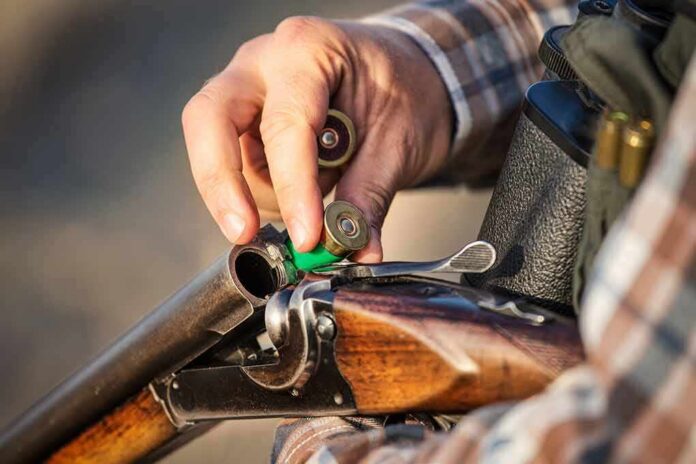
Police say a 16-year-old entered Silver Rail Elementary School in Bend with a shotgun and killed four people before a bystander shot him inside the building. Multiple outlets reported that the teen’s mother purchased a pump-action shotgun near his August birthday, according to officials briefed on the probe. That single fact does not prove a crime. It does decide where investigators look next: storage, access, transfer, and what the mother knew before the attack.
Oregon’s safe-storage rule sets a bright line for adults. If a minor can access a firearm, owners must keep it on their person or lock it in a container or with a trigger or cable lock. If a minor gains access and harms someone, the law treats the failure as a Class A violation, and civil suits can cite it as negligence per se, according to legal analysis that tracks the statute’s text. That framework makes the storage facts central, not the purchase receipt.
The Legal Hooks Prosecutors Would Actually Use
Oregon does not have a special criminal statute that targets parents when a child commits a shooting. Reported analysis says prosecutors would need to rely on general laws or prove a safe-storage breach tied to the harm. That approach differs from states that charge parents for a child’s gun crime on its own. The focus here will be concrete acts: Was the shotgun locked? Who held the keys or combination? Who knew the code? Who last handled the gun before the attack?
Minors and long guns pose a tricky legal line. Oregon restricts minor possession but allows certain parent-to-minor transfers or supervised uses for hunting, sport, or training. That means the mother’s purchase could be legal while storage was not, or vice versa. Reporters say investigators are now digging into how the shotgun was obtained, stored, and accessed. Authorities had not said whether any law was broken, and no family member had been accused of a crime at last report. One sentence of caution belongs here: an arrest is an allegation, not a conviction.
What Evidence Would Make Or Break A Case
Storage proof decides almost everything. Detectives will want the gun’s serial number, the dealer’s sale record, any background check printout, and the home search inventory. Photographs of safes, locks, or cases matter. So do fingerprints on a lock, a broken hasp, or a note with a safe code. Texts about the August birthday gift or a planned transfer help show intent and control. If the gun sat unlocked or the teen had unsupervised access, the safe-storage law moves to center stage.
**An armed bystander followed a 16-year-old into Silver Rail Elementary in Bend and killed him inside the building minutes after the first 911 call, before police arrived at 1:02 p.m.
[Take 13/15 · 𝕏-3]
### 1. The Frame
**What people think this is about:** Another horrific…— GrumpyNews, emotionally clean news. (@GrumpyNews_) October 16, 2026
Knowledge and foreseeability could stiffen a charge or a civil claim. Investigators will check the teen’s messages, past school reports, and any prior warnings sent to the household. Clear red flags made the Michigan Oxford case possible against both parents. In that case, prosecutors showed purchase, warning signs, and access that led to death. Both parents were convicted of manslaughter, which made national news because it was rare but real. Oregon law is different, yet the logic of proof is similar.
How This Aligns With Law, Order, And Common Sense
Most people agree on two facts: guns are lawful to own, and kids should not get them without strict controls. Safe-storage laws try to hold those truths together. If a parent locks a gun and a teen still pries it loose, that is a hard case. If a parent leaves a gun where a teen can take it, that is a simple failure. The American way balances rights with duties. That starts at home, not in a press conference. The evidence in Bend will tell which story this is.
What To Watch Next
Expect answers to five things: whether the recovered shotgun matches the one the mother bought; where and how it was stored at the time of the attack; who had the means to open any safe or lock; whether any adult knew of risk signs that made access foreseeable; and which statute, if any, a district attorney cites for charges. Without proof of bad storage or clear foreseeability, a parent-specific case in Oregon will be a steep climb.
Sources:
townhall.com, nbcnews.com, nytimes.com, bbc.co.uk, cbsnews.com, statesmanjournal.com
© theredwire.com 2026. All rights reserved.