
President Trump said he is weighing whether to “annihilate” Iran’s regime or push for a deal, putting the war’s endgame on a knife’s edge.
Story Highlights
- Trump says a “big decision” is coming on whether to restart massive strikes on Iran.
- Trump also says Iran made direct contact and “wants to make a deal”.
- Iran’s nuclear file was sent to the United Nations Security Council, raising pressure on Tehran.
- Reports say Trump will consult Gulf leaders at the United Nations meetings next week.
Trump Signals A High-Stakes Choice On Iran Strategy
President Trump told Axios he is near a major decision on the Iran war. He said he could restart large-scale attacks to end the fight or choose a different path. He used stark language about possibly “annihilating” Iran’s regime, which signals heavy military options remain on the table. Trump has kept pressure high for months. He also said “anything could happen,” which preserves room to strike, to negotiate, or to keep pressure without a big new move.
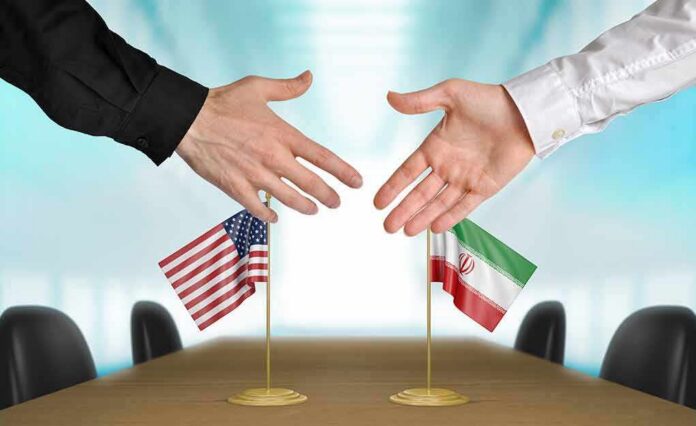
Trump said the conflict could be nearing an end and that Iran “wants to make a deal.” He added that he heard from Iran “directly,” which suggests back-channel or mediated talks are active. That message points to a dual track: hard power to gain leverage and talks to test if Tehran will bend. This blend matches past U.S.–Iran crises, where leaders use public threats while probing for terms behind closed doors.
Iran Faces Fresh Heat From The Nuclear Watchdog
The International Atomic Energy Agency’s board referred Iran to the United Nations Security Council for the first time in 20 years. The watchdog cited Tehran’s failure to answer questions about uranium traces at undeclared sites. This step adds legal and political pressure on Iran, even as the battlefield picture shifts. It also shapes any deal math. The referral can harden positions or force choices, since it invites wider action from the Security Council.
Legal pressure can cut two ways. It can help Washington argue that tough steps are justified under global rules. It can also push Tehran to dig in and demand more relief if it is to stop. Past cycles show that sanctions and censure can weaken an economy but do not always change core security aims. That is why each side tends to keep options open until the last minute, hoping the other blinks first.
Gulf Consultations Aim To Align Allies And Reduce Risk
Reports say Trump is set to meet leaders from six Gulf countries on the sidelines of the United Nations General Assembly. The sessions would focus on next steps in the war and postwar planning. Regional buy-in matters for basing, air defense, oil flow, and sea routes. Gulf states also face missile and drone threats if fighting spikes. Aligning with them can share burdens and reduce surprises if Washington turns the dial up or down.
Energy markets care about every hint of risk in the Strait of Hormuz. A quiet sea lane helps families and small businesses by keeping fuel and shipping costs in check. A flare-up raises prices fast and hits working people first. Many Americans across left and right see that Washington’s choices abroad can raise bills at home. They worry that leaders play power games while households carry the cost.
What This Means For Americans Who Feel Washington Is Failing
Clear goals and honest costs matter. If the United States resumes strikes, the White House must explain the mission, the exit path, and the price tag. If it seeks a deal, it must explain what Iran gives up and how America stays safe. People on the right fear endless wars and high energy prices. People on the left fear wider war and less focus on needs at home. Both sides want accountability from officials who too often dodge hard truths.
TRUMP WEIGHS MAJOR NEXT MOVE ON IRAN
Trump says he faces a “big decision” on whether to resume major attacks on Iran, ahead of talks with Gulf leaders in New York.#WashingtonEye pic.twitter.com/SZ5tLqClXc
— Washington Eye (@washington_EY) September 20, 2026
Trump’s “big decision” sits at the center of these worries. A decisive plan, shared in plain words, can build trust. Vague goals and shifting lines feed the belief that the powerful always protect themselves first. The next week’s talks and any move on strikes will show if Washington can balance strength with restraint, pressure with prudence, and global duty with the daily struggles of American families.
Sources:
facebook.com, axios.com, caliber.az, middleeasteye.net, anews.com.tr, alexjoneslive.com, reuters.com
© theredwire.com 2026. All rights reserved.